Shaping Universes: The Influence of Player Choice in Procedural Sandbox Games
7 December 2025
Ever thought about how wild it is to shape an entire world with just a click of a mouse or a tap on a controller? Enter the universe of procedural sandbox games — a genre where you’re the architect, the storyteller, and the adventurer. These games take the concept of infinite creativity and amplify it with the power of procedural generation, sprinkling in a healthy dose of player choice. It’s like having your own digital sandbox where the grains of sand shift and change based on your imagination.
Let's dive deep into this fascinating world, where every decision you make ripples out like a stone dropped into a pond, subtly (or sometimes drastically) reshaping the universe around you.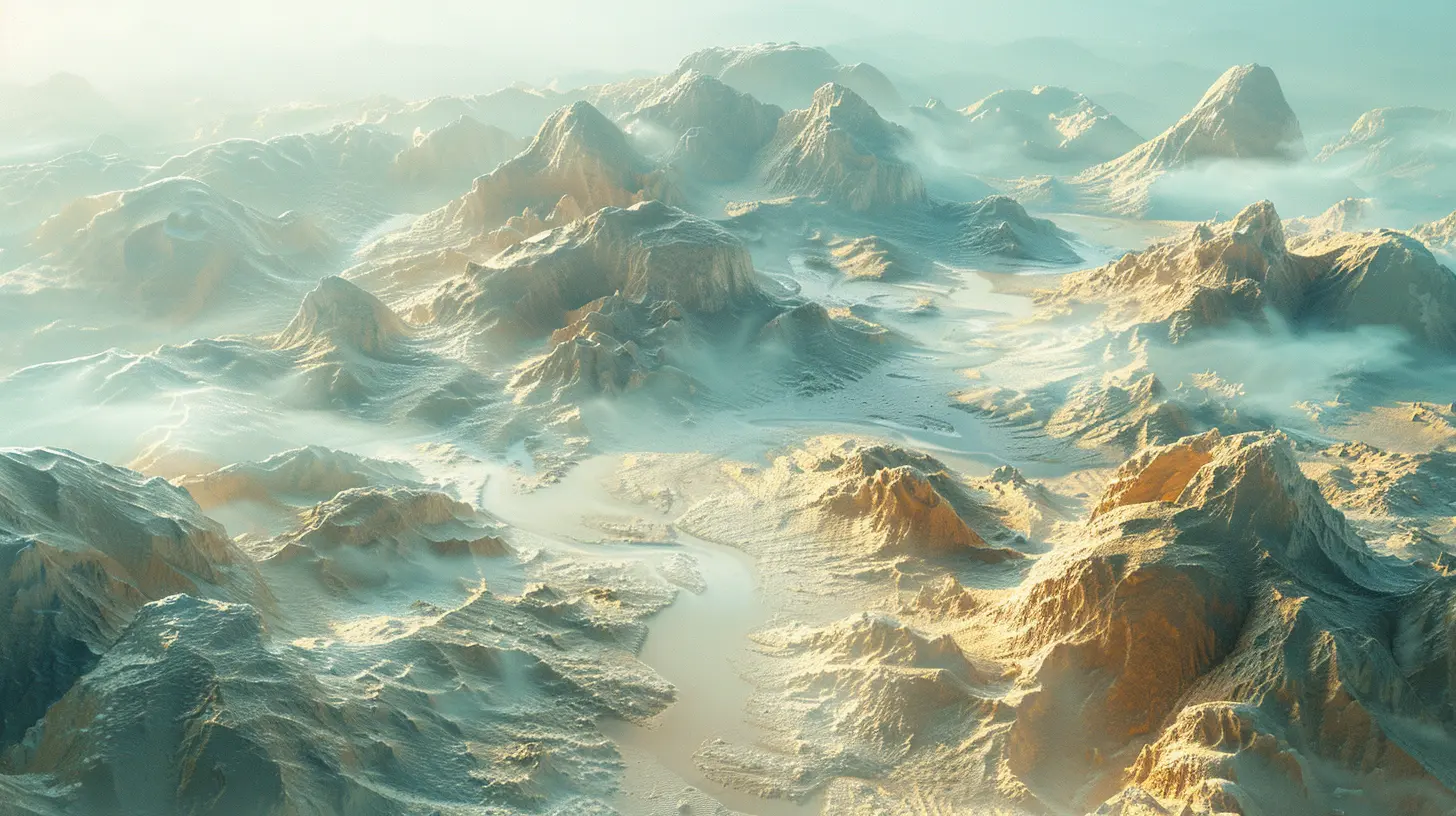
What Are Procedural Sandbox Games?
Before we go any further, let’s break it down. Imagine blending the freedom of a sandbox with the unpredictability of procedural generation. Boom! That’s a procedural sandbox game.At its core, a sandbox game gives you an open-ended world where you decide what to do. Build, destroy, explore, or just mess around — the choice is yours. Now add procedural generation to the mix. This means the game uses algorithms to create sprawling worlds, dungeons, or environments that are completely unique every time you play. It's like the universe is rolling dice behind the scenes!
Think about games like Minecraft, No Man's Sky, or Terraria. These titles don’t just give you a pre-designed playground; they hand you an infinite toybox and say, “Go nuts.”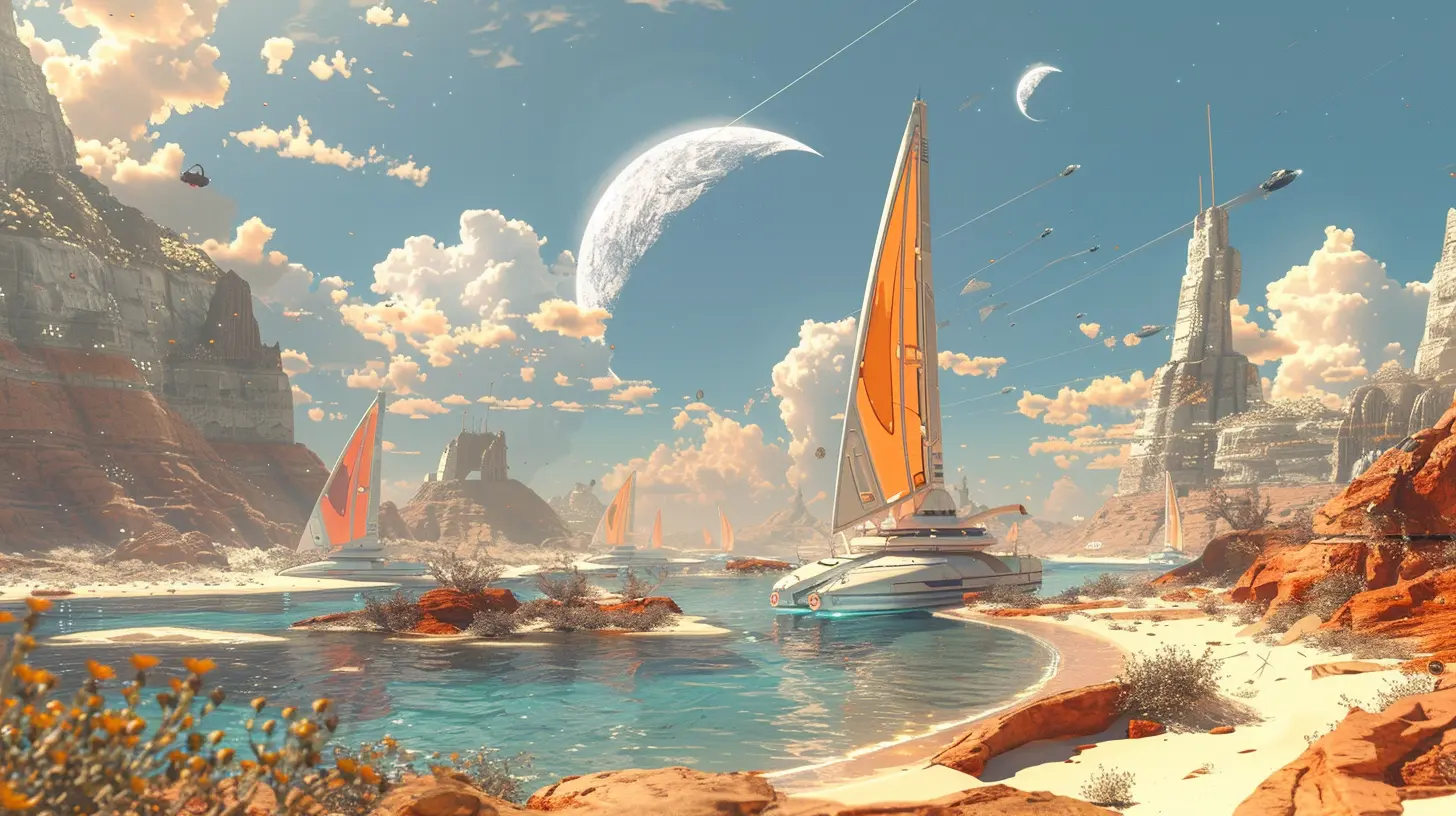
The Mechanics of Player Choice
What makes these games so addictive? It boils down to one thing: player choice. In procedural sandbox games, you have the power to shape your journey. Whether you're terraforming planets, building cities, or adventuring into the unknown, your decisions matter.And this isn’t just about big, dramatic choices (like deciding to blow up your friend’s base because they stole your diamonds); it’s also about the small ones. Where do you build your first shelter? What resources do you collect? How do you interact with the procedurally generated NPCs or creatures you encounter? Every single choice adds a brushstroke to the masterpiece that is your personal world.
Why Does Player Choice Feel So Impactful?
Let’s be honest — we all love being in control. Player choice gives you ownership over a game. It’s your story, your decisions, and your consequences. In traditional, linear games, the narrative is mostly pre-written. Sure, you might be able to pick between a couple of dialogue options, but the overall path is usually the same for everyone. It’s like being on a rollercoaster: thrilling, but predetermined.Procedural sandbox games? They’re more like stepping onto a blank canvas with a palette of paints. Every choice you make shapes the game world, and no two players are going to have the exact same experience.
Take Minecraft as an example. You could spend hours mining for diamonds underground while someone else is building a replica of the Eiffel Tower above the surface. The beauty lies in the freedom to do whatever you want.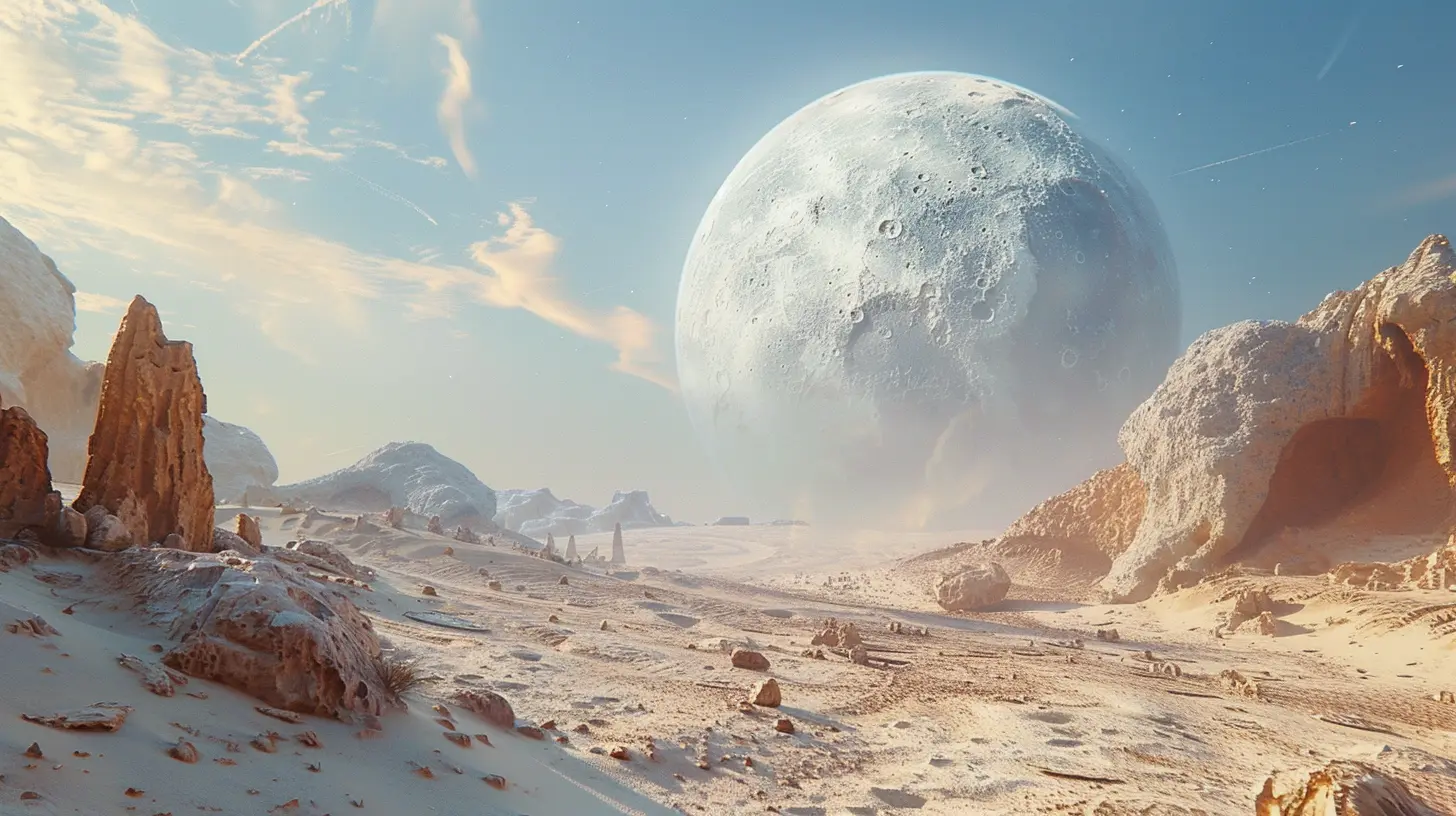
Procedural Generation: The Magic Behind the Curtain
Alright, let’s geek out for a second. Procedural generation is what powers these massive, ever-changing worlds. Using algorithms, the game generates terrain, structures, and even weather patterns on the fly. It’s like a chef whipping up a new recipe every time you sit down at the table — and somehow, it never tastes the same twice.A great example of this is No Man’s Sky. With over 18 quintillion planets (yes, quintillion), the game’s universe is so vast you’d need multiple lifetimes to explore it all. And every planet is uniquely crafted based on procedural algorithms. One planet might be a lush paradise with vibrant alien life, while another is a barren wasteland battered by acid rain.
Procedural generation gives these games their infinite replayability. There’s always something new to discover, and that sense of wonder keeps us coming back for more.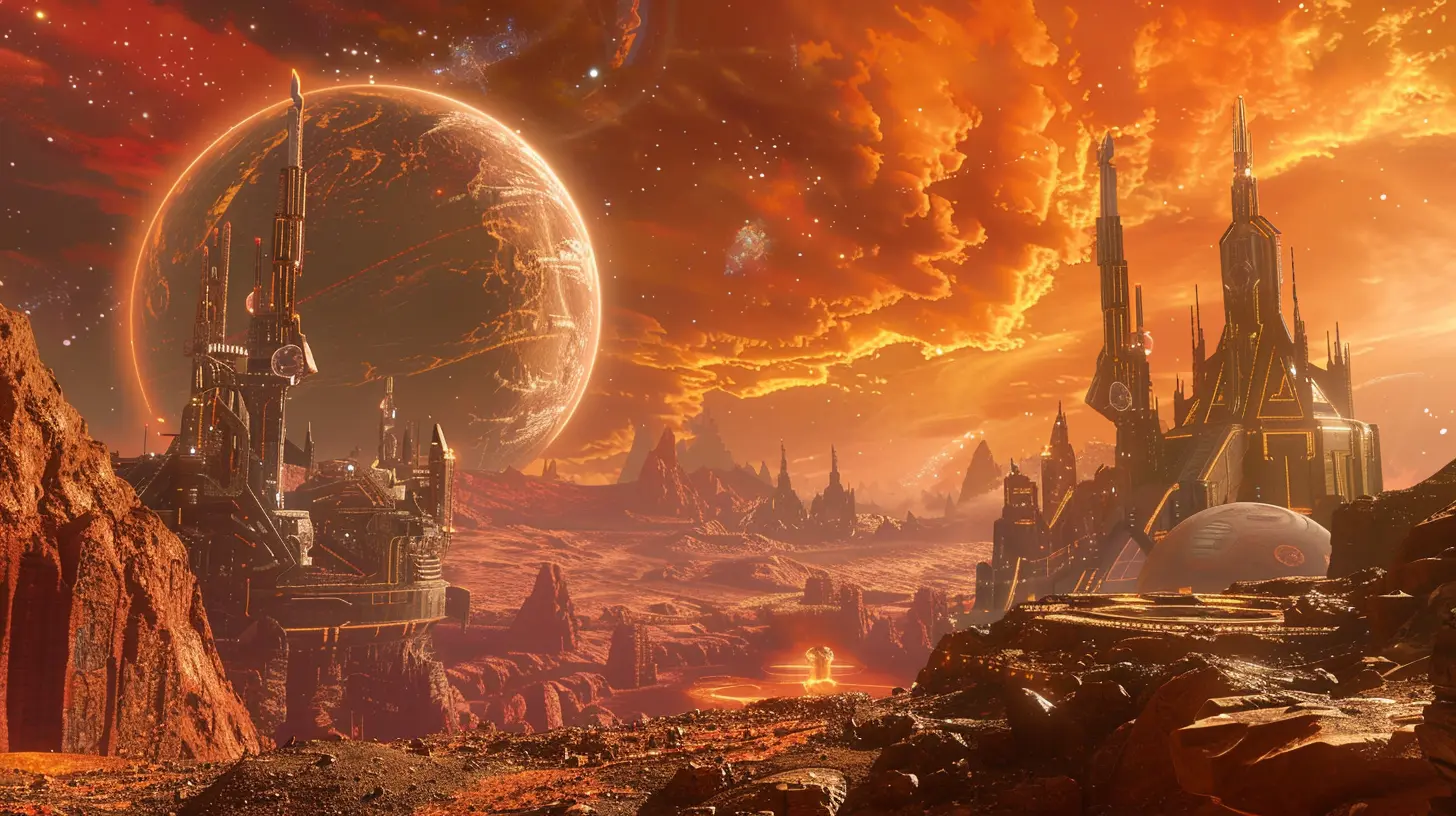
The Ripple Effect: How Your Choices Shape Universes
Here’s the big question: how do your choices actually impact these games?1. World Alteration: Your actions have a direct impact on the game world. Chop down trees in your immediate area? Suddenly, you’re surrounded by clear land. Build massive structures? You’ve reshaped the skyline. In games like Minecraft, your world becomes a visual diary of your efforts.
2. Narrative Creation: You become the storyteller. Maybe you decide to settle on a hostile alien planet in No Man’s Sky just because it challenges you. Maybe you’re creating a backstory for your survivalist character in Don’t Starve. Without realizing it, you’re weaving your own narrative, tailored to your choices.
3. Chain Reactions: Some decisions trigger a domino effect. Scavenge a certain resource too much, and it could become depleted. Attack a group of NPCs, and future interactions with their species might be hostile. Every move you make ripples outward, shaping the game’s universe in subtle ways.
The Emotional Connection: Why We Care So Much
Why do we pour countless hours into these worlds? It’s because we’ve invested a part of ourselves into them. When you’ve built a sprawling city, survived harsh environments, or discovered breathtaking landscapes, those accomplishments feel real.It’s the same reason why people get emotional about a long-running Dungeons & Dragons campaign — the world feels personal. Procedural sandbox games combine this personal connection with a pinch of randomness, meaning every playthrough is an emotional journey.
The Challenges of Player Choice
Now, here’s the thing: with great power (and infinite possibilities) comes great responsibility.Player choice can sometimes feel overwhelming. Ever stood in a supermarket cereal aisle, paralyzed by the sheer number of options? That’s kind of how sandbox games can feel, especially if you’re new to the genre. With no set goals or predefined paths, it’s up to you to chart your own course. For some, this freedom is exhilarating. For others? It’s downright intimidating.
Then there’s the issue of balance. In procedurally generated worlds, not every choice leads to equal outcomes. Some players may stumble upon overpowered gear or resources early on, while others might get stuck in a barren, featureless area. The unpredictability can be both a blessing and a curse.
Where Do We Go from Here?
The future of procedural sandbox games is bright. Developers are constantly enhancing procedural generation techniques, creating richer, more immersive worlds. Artificial intelligence might even play a bigger role, allowing NPCs to adapt to player decisions in even more dynamic ways.Imagine a game where not only the terrain but also the storyline and character interactions are procedurally generated to reflect your gameplay style. The possibilities are endless, and we’ve only just scratched the surface.
Final Thoughts
So, why do we love procedural sandbox games? The simple answer: they let us play god (in a non-creepy, fun way). Each choice we make ripples through the fabric of the game world, reminding us of the power of creativity and agency. Whether you’re mining, building, exploring, or battling, these games give you the ultimate gift: ownership of your adventure.And honestly? There's nothing quite like shaping your very own universe, one block, alien planet, or decision at a time.
all images in this post were generated using AI tools
Category:
Sandbox GamesAuthor:

Tayla Warner
Discussion
rate this article
3 comments
Dominic Smith
Player choice in procedural sandbox games transcends mere gameplay, crafting unique narratives that reflect individual agency and enrich the gaming experience.
April 9, 2026 at 2:39 AM
Tayla Warner
Absolutely, player choice adds depth and personalization, turning each gameplay into a unique story that resonates with individual experiences.
Iliana Coleman
Player choice in procedural sandbox games profoundly shapes narratives, fostering unique experiences that challenge traditional gaming storytelling conventions.
December 15, 2025 at 3:36 AM
Tayla Warner
Absolutely! Player choice in procedural sandbox games revolutionizes storytelling by creating personalized narratives that evolve based on individual decisions, pushing the boundaries of traditional gaming experiences.
Drew Foster
Great read! I appreciate how you highlighted the significance of player choice in shaping experiences. Procedural sandbox games offer such unique narratives, and it’s fascinating to see how each player's journey unfolds differently.
December 9, 2025 at 5:37 PM
Tayla Warner
Thank you! I'm glad you enjoyed it and appreciate the importance of player choice in creating unique experiences.