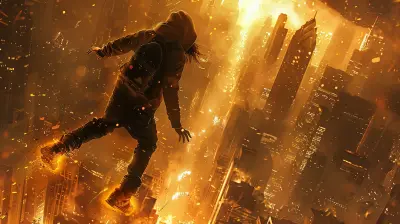
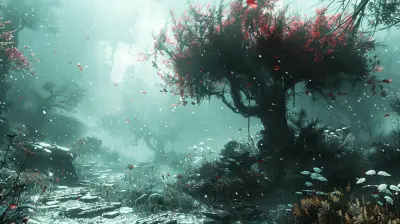
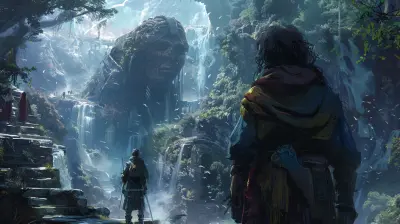
Revisiting the Worlds of Pixel Art Adventures
10 June 2026
There’s something undeniably magical about pixel art adventures. Maybe it’s the nostalgic glow of simpler times, or the tiny, colorful sprites packed with personality. Or maybe it’s that comforting retro charm, whispering to us from our childhoods. Whatever it is, pixel art adventure games are more than just old-school eye candy — they’re time capsules of creativity, storytelling, and game design at its purest.
Let’s take a walk down memory lane and also peek into the evolving world of pixel adventures, where nostalgia meets innovation in the most delightful ways.
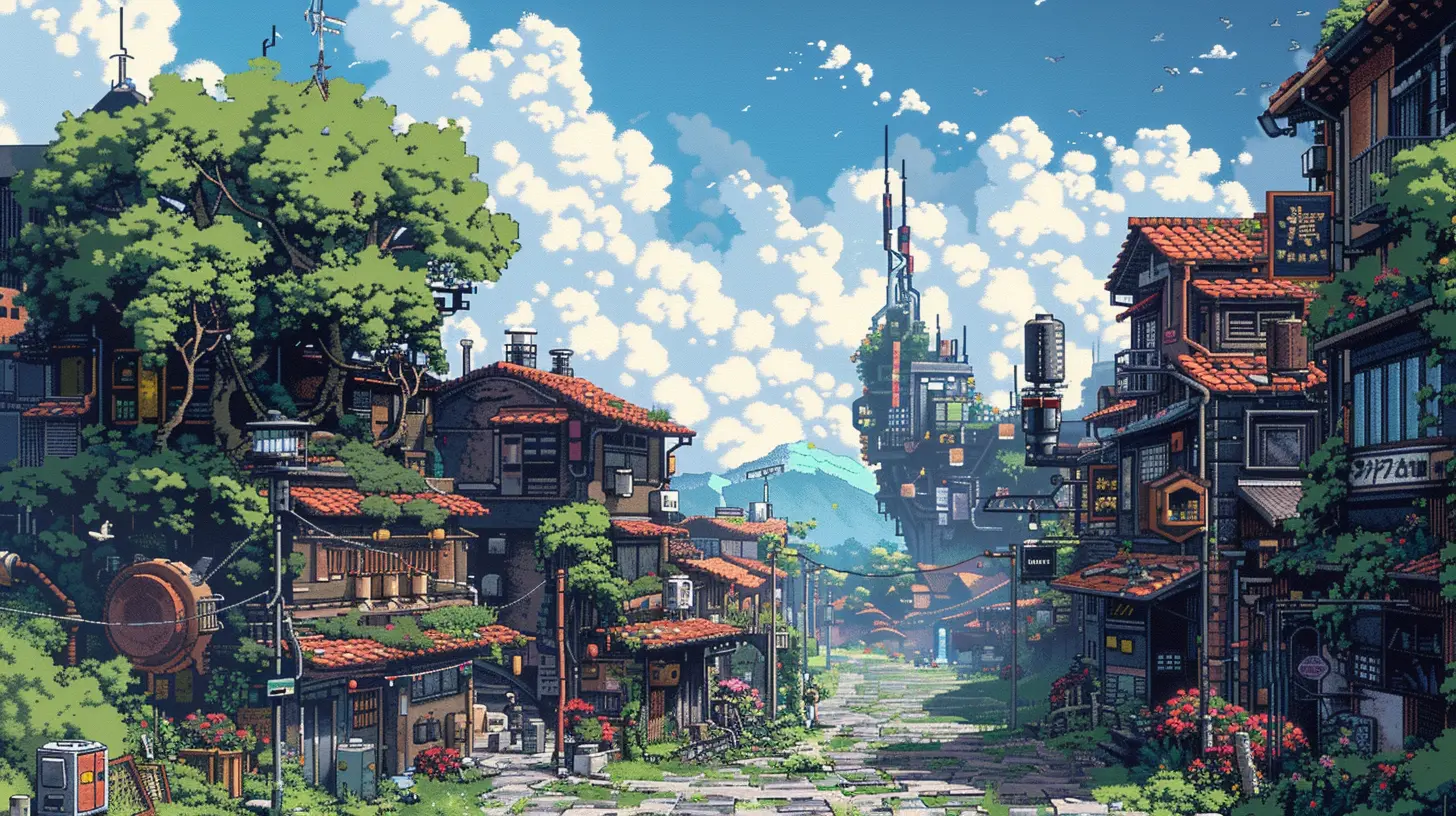
What Makes Pixel Art Adventures So Special?
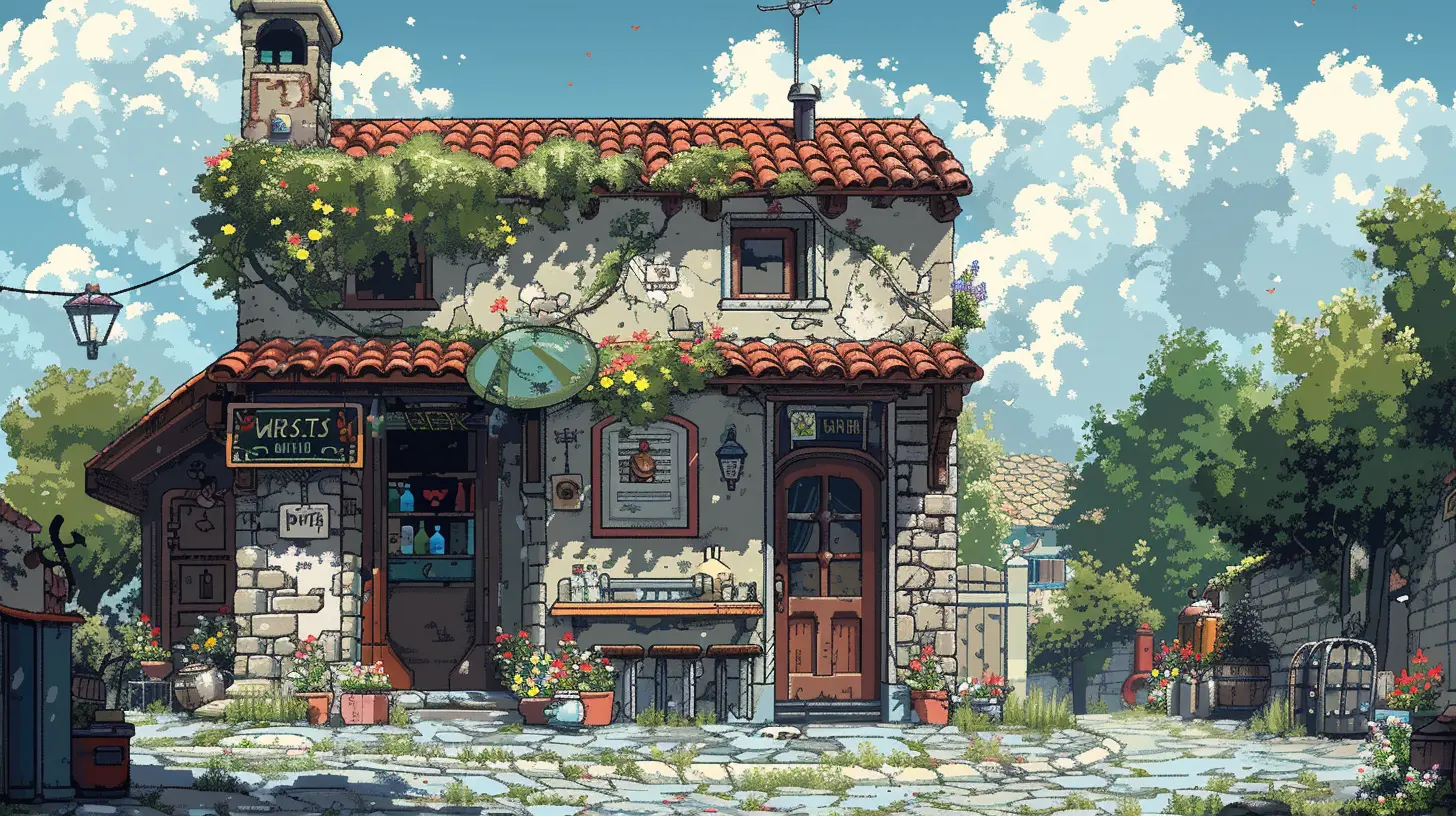
First off, let’s address the obvious — visuals. Pixel art isn’t about hyper-realistic graphics or ray tracing. It’s about style. It evokes a feeling — a vibe. Each pixel is carefully crafted, not just thrown together. That 16x16 blocky hero? They’ve got more personality than most lifelike, high-def avatars.But aesthetics are only the beginning. Pixel art games are often driven by strong narratives, quirky characters, and creative worlds that stick with you long after the credits roll. It’s like your favorite childhood storybook, only interactive and packed with monsters, puzzles, and emotional beats.
A Brief Stroll Through Pixel History
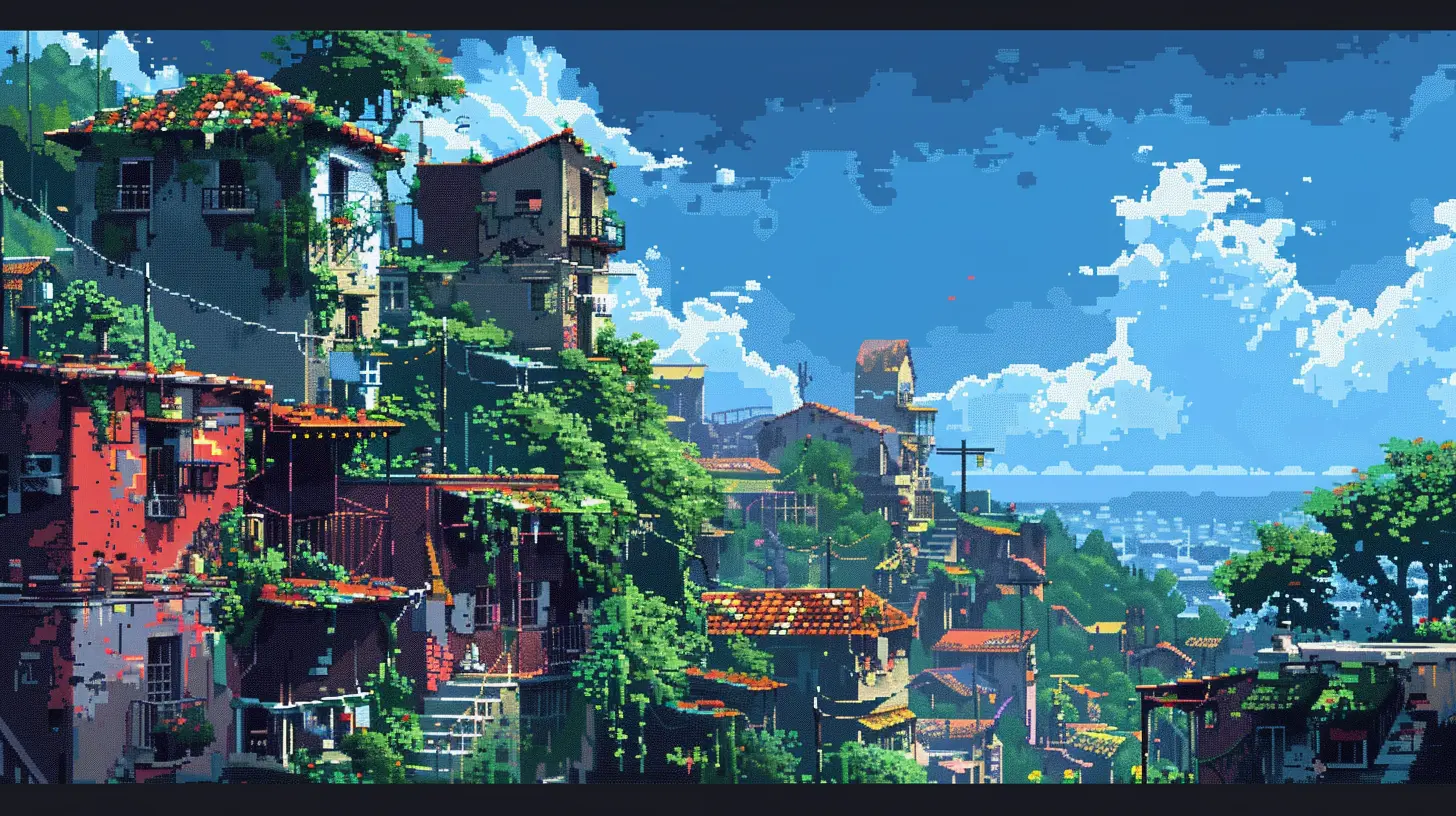
Let’s rewind for a second. Back in the '80s and '90s, pixel art wasn’t an artistic choice — it was a necessity. Developers had limited hardware and memory, so they had to get clever. Think King’s Quest, Monkey Island, or Maniac Mansion. These classics were restricted by technology but flourished creatively.Fast forward to the 2000s, and pixel art evolved from limitation to an aesthetic. Indie developers especially picked up the mantle. Titles like Cave Story, Fez, and Undertale proved pixel adventures didn’t just survive the 3D revolution — they thrived in spite of it.
The Rise of the Indie Scene
You can't talk about pixel art adventure games without giving a major shoutout to indie developers. They’re the heart and soul of this genre today. Why? Because pixel art is relatively accessible for small teams or solo devs. No million-dollar CGI budget needed — just passion, skill, and a vision.Games like Hyper Light Drifter and Celeste (though more platformer than adventure) show how indie devs push the boundaries of pixel art. They mix traditional visuals with modern mechanics, and the result? Art. Literal, playable art.
It's Not Just About Nostalgia — It’s Evolution
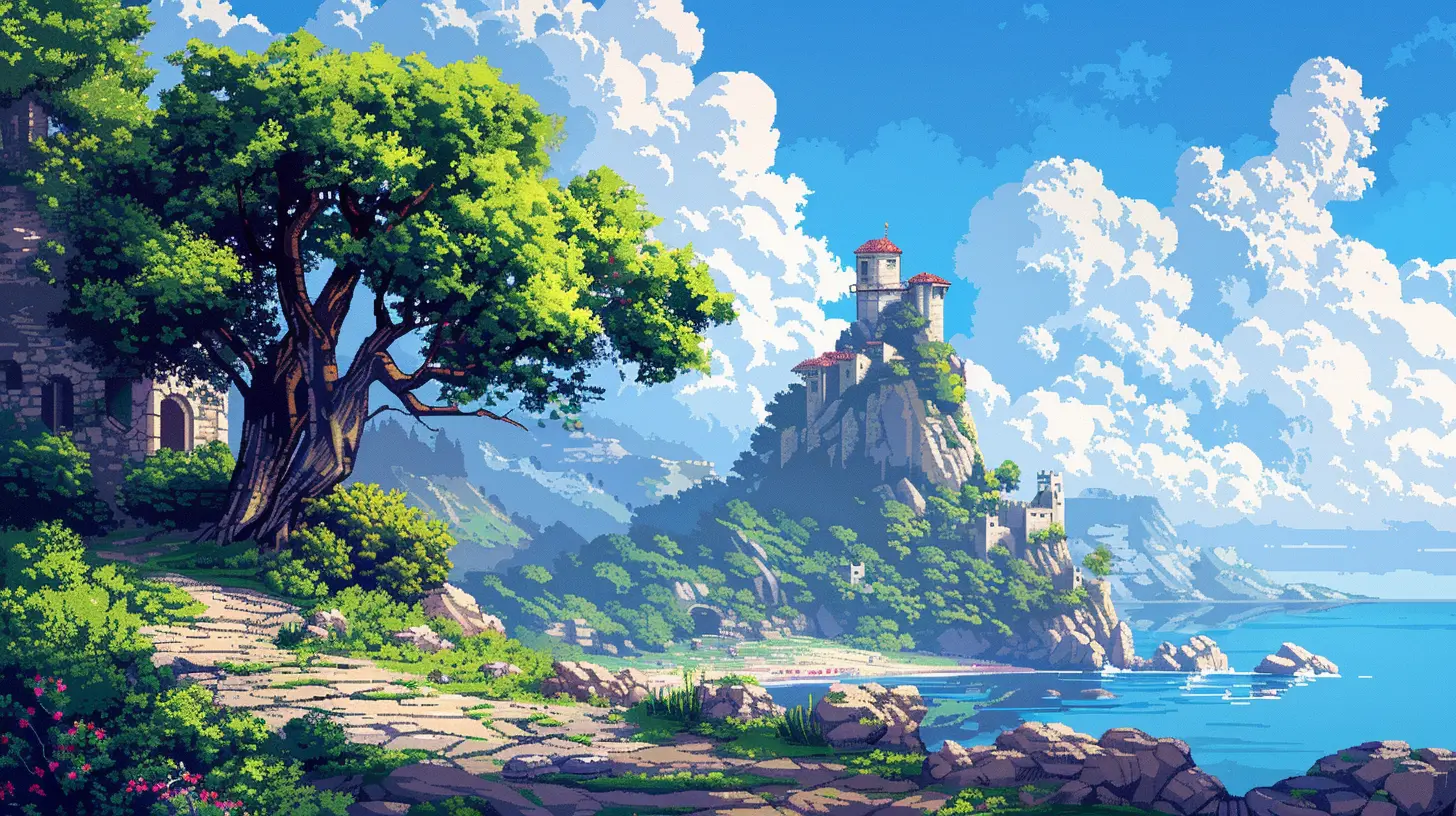
Sure, some pixel art games lean heavily on nostalgia. And that’s okay! But the best ones don’t just rehash the past. They evolve. They integrate modern storytelling, dynamic lighting, voice acting, and slick gameplay into that beloved retro shell.Take Eastward, for example. It looks like a SNES game on steroids, but it plays like an emotional roller coaster with contemporary pacing and depth. Or Thimbleweed Park, which pays homage to LucasArts classics but adds slick UI and self-aware writing.
Why We Keep Coming Back — The Emotional Connection
So why do these games keep calling us back? Why do we sink hours into these tiny-detailed lands?Simple. Pixel art adventures speak to something deep inside us. They’re personal. They tap into emotional experiences without flashy distractions. A few pixels can somehow communicate fear, joy, heartbreak — maybe even better than some of the big-budget titles.
Remember that moment in To The Moon? If you played it, you know. It didn’t need 4K textures to break your heart. Just layers of story, music, and those nostalgic visuals.
Worlds That Feel Alive — Even in 8-Bit
Even with limited pixels, these games manage to create rich, immersive worlds. It’s kind of wild, right? A game like A Short Hike or Night in the Woods (though not strictly pixel art, still shares the vibe) can make you feel like you’ve actually been somewhere.Good pixel games lean on world-building and atmosphere. The art style invites your imagination to fill in the gaps. It’s like reading a book — your mind does half the work, which makes the experience even more vivid.
Modern Classics: Pixel Adventures Worth Playing (Again and Again)
Alright, let’s talk favorites. Here are some gems that deserve a spot on every gamer's journey:1. Undertale
It looks simple, but this game flips RPG conventions on their head. Morality, choice, quirky humor — it’s all here. And yes, it will hit you in the feels.2. CrossCode
A beautiful blend of pixel art and fluid action. With a deep story, clever puzzles, and RPG elements, it’s a beast — in the best way.3. Hyper Light Drifter
More abstract, but it’s a visual masterpiece. The vibe is somewhere between Zelda and a synthwave fever dream.4. Thimbleweed Park
If you love classic point-and-click adventures, this one’s a love letter to that era — with witty writing and a great mystery to boot.5. Eastward
A newer title that’s straight-up gorgeous. Think of it as EarthBound meets The Last of Us, with a dash of Studio Ghibli flair.6. Night in the Woods
Not pixel art per se, but it speaks to the same audience. Deep narrative meets small-town melancholy and talking animals — what's not to love?
Why Pixel Art Still Matters in 2024
With all the graphical horsepower we have now, why does pixel art still matter? Because it proves that storytelling and gameplay always matter more than graphics. Pixels leave room for interpretation. They invite players to use their imagination — like looking at stars and seeing constellations.It’s also a big middle finger (in the nicest way possible) to photorealism overload. Not everything needs to look real. Sometimes “feeling right” is more important than “looking real.”
The Pixel Art Community — Small but Mighty
One of the best parts of pixel art adventures is the community. Fans and devs alike are passionate, creative, and insanely talented. From Twitter threads full of pixel gifs, to YouTube retrospectives, to itch.io releases — the scene is alive and thriving.And there’s so much variety. Sci-fi? Horror? Cozy slice-of-life? Fantasy epics? The genre’s got them all — each lovingly stitched together, pixel by pixel.
Tools of the Trade (For the Creators Out There)
Thinking of making your own pixel adventure? There are tons of beginner-friendly tools out there:- Aseprite: For creating beautiful pixel sprites and animations.
- RPG Maker: Classic tool. Great for storytelling-focused games.
- Adventure Game Studio: Perfect for old-school point-and-click vibes.
- Godot: Open-source game engine that plays well with pixel art.
It’s never been easier to get started, and the community is super supportive too. If you’ve got a story to tell, there’s a pixel-perfect way to tell it.
Looking Ahead — What’s Next for Pixel Adventures?
Honestly? The future looks bright. With new indie studios popping up and old-school devs returning to their roots, we're in for more adventures full of charm, smarts, and pixels.Plus, with platforms like Steam, itch.io, and Nintendo eShop making it easy to publish and find these games, we’re spoiled. There's something incredibly refreshing about choosing a heartfelt, handmade pixel adventure over another 100-hour photorealistic grind.
Final Thoughts — A Love Letter in Pixels
Revisiting pixel art adventure games is like catching up with an old friend. They remind us why we fell in love with gaming in the first place. Not because of frame rates or ray tracing — but because of stories that stick, characters that matter, and worlds we never want to leave.So if you haven’t dived into this genre lately, do yourself a favor. Pick a title, boot it up, and let yourself be whisked away by 16-bit dreams and 8-bit emotions. You might just find that the simplest pixels lead to the biggest adventures.
all images in this post were generated using AI tools
Category:
Gaming NostalgiaAuthor:

Tayla Warner
Discussion
rate this article
1 comments
Sarina Wade
Pixel art adventures invite us to relive the magic of simpler times, where creativity thrived within constraints. Each frame tells a story, reminding us that beauty often lies in the details, waiting for us to explore.
June 11, 2026 at 5:10 PM
Tayla Warner
Absolutely! Pixel art captures that charm perfectly, letting us experience storytelling in a unique and engaging way. It's a beautiful reminder of creativity's power within limitations.