Multiple Endings and Their Impact on Replayability
22 January 2026
Ever finished a game and immediately thought, “Wait… what if I did that differently?” You’re not alone. That little voice in your head nudging you to boot up the game for round two (or three... or ten) is exactly what developers love to create—and it’s often thanks to one clever design choice: multiple endings.
In today's gaming world, where players are spoiled with options and entertainment is just a click away, adding multiple endings isn't just a fun twist—it's a replayability goldmine. Let’s dive into why gamers love them, how they keep us coming back, and which titles nailed (or flubbed) this feature.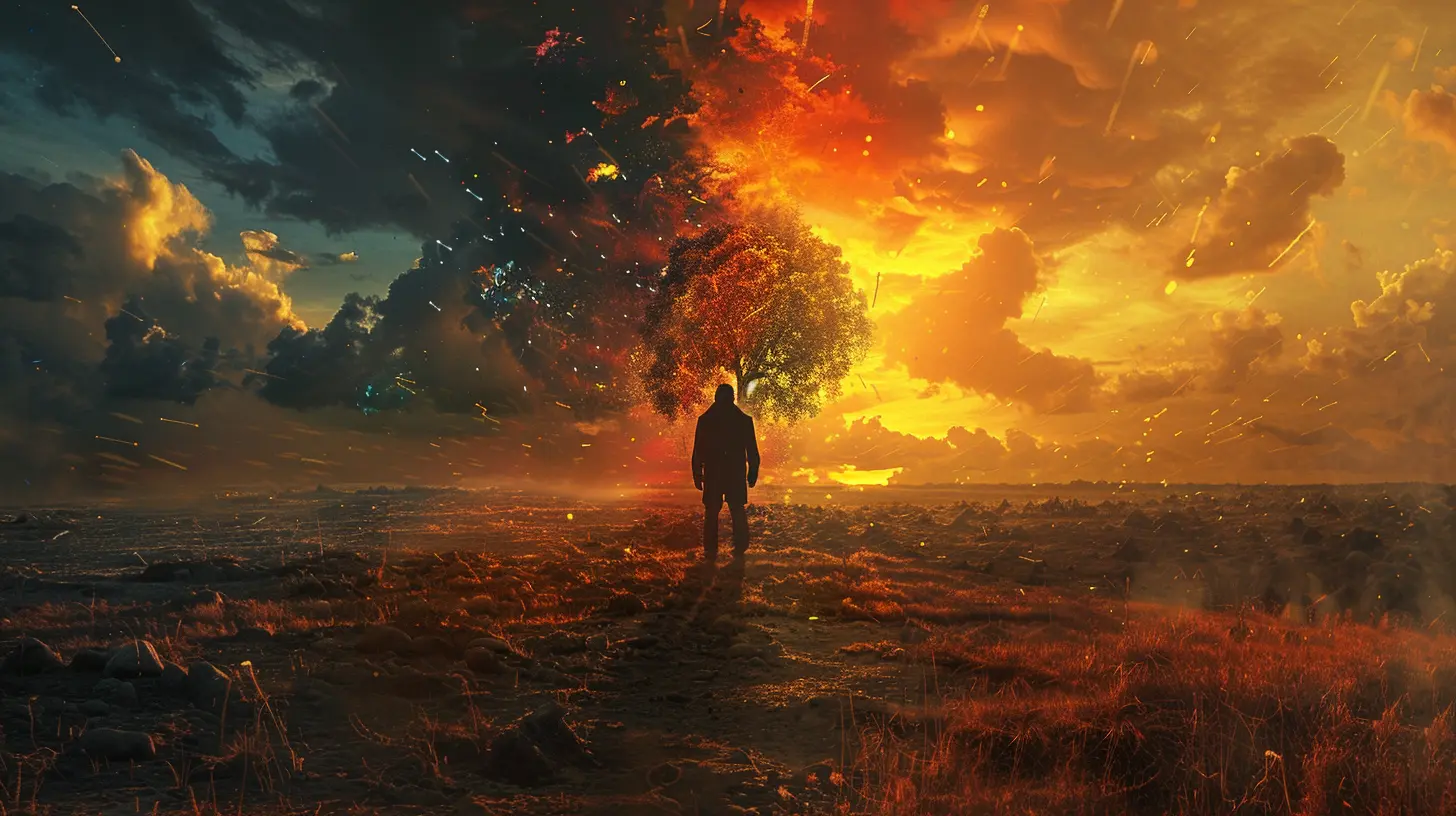
What Are Multiple Endings, Anyway?
Let’s break it down. In the simplest terms, multiple endings mean that the conclusion of a game can change based on how you play. That could be based on your dialogue choices, the characters you help (or abandon), or even the order in which you complete quests.Some games might have two or three endings—you know, the good one, the bad one, and the “meh” one. Others? They go full-on bananas with 10+ endings (we’re lookin’ at you, Nier: Automata).
This isn’t just storytelling fluff. These alternate finales can reshape your entire perception of a game—and that’s where the magic begins.
Why Do Multiple Endings Matter?
Think about it: if you've played a linear game where the outcome is always the same, you're likely done once the credits roll. But when a game drops hints like "Your choices will shape the world," you suddenly have a reason to question everything.You might start wondering:
- What if I sided with the rebels instead of the king?
- What if I kept that mysterious artifact?
- Did sparing that villain make me a hero… or a fool?
And just like that, your save file becomes a choose-your-own-adventure book with endless possibilities.
The Replayability Factor 🎮
Let’s talk replayability—the holy grail for both gamers and developers. A game with replay value isn’t one you play once and shelve. Nope, it’s the kind of game that grabs hold of your free time like a dog with a chew toy.Multiple endings supercharge replayability by making you want to start over. Not because you messed up (okay, maybe a little), but because you're curious. And curiosity is one heck of a motivator.
1. Curiosity Killed the Cat... But Gave Us a New Ending
When a game subtly hints that your choices matter, you're hooked. Maybe you missed a key dialogue option. Maybe you killed someone you shouldn't have. Either way, you're left with questions… and the only way to find the answers is to hit "New Game" and try again.Games like Detroit: Become Human and Until Dawn practically beg you to play again just to see how differently things could’ve gone.
2. Branching Narratives = A Living World
Games like The Witcher 3 or Mass Effect aren’t just games—they're living worlds that react to your decisions. That creates emotional investment. When your actions change the fate of an entire kingdom (and potentially who kisses who), it feels personal.Plus, it makes each playthrough feel brand new.
3. Let’s Be Honest—Gamers Love a Challenge
Collecting every ending is like Pokémon for story lovers. Gotta catch 'em all, right?Some players will dive into guides, Reddit threads, and late-night YouTube binges just to figure out how to unlock that secret “true” ending. It becomes a quest in itself. And for completionists, it's pure serotonin.
Types of Multiple Endings
Not all divergent endings are created equal. They generally fall into a few main categories:1. Choice-Based Endings
The crown jewel of modern storytelling games. These endings change based on the choices you make during the game—who you ally with, who you betray, and how you handle conflict.— Examples: Life is Strange, Telltale’s The Walking Dead, Cyberpunk 2077
2. Skill-Based Endings
Sometimes it's not about the choices—it’s about how well you execute the gameplay. Beat the game without dying? Boom, secret ending. Find all hidden collectibles? You get the real ending.— Examples: Silent Hill, Castlevania series
3. Randomized or Hidden Endings
Some games just love to mess with you. Hidden triggers, obscure requirements, and sometimes straight-up trolling by the devs lead to unexpected endings.— Examples: Nier: Automata (yes, again), Undertale, The Stanley Parable
Games That Got It Right ✅
Let’s take a moment to celebrate the games that absolutely nailed the idea of multiple endings.1. Nier: Automata
Honestly, this game is the poster child for doing it right. With over 20 endings (some serious, some hilarious), this masterpiece uses each ending to build upon the last. It’s not just repetition—it’s story evolution.2. Detroit: Become Human
You want consequences? This game delivers. Every choice ripples through the story with butterfly-effect level changes. It makes each playthrough feel emotionally unique.3. The Witcher 3: Wild Hunt
You didn’t even realize you were shaping the ending until it was too late. And that’s what makes it brilliant. The game doesn’t flash a “Good Path Unlocked!” badge. It just lets the world react.4. Undertale
This quirky indie gem flips the script. Your choices to spare or kill matter a lot—not just in story, but in tone, music, and dialogue. And the game never forgets what you did… even if you restart.So, Do Bad Endings... Suck?
Ah yes, the dreaded “bad ending.” You spent 30 hours saving the world and you still get banished into exile. Yikes.But hear me out—bad endings aren’t actually bad… if they’re done right.
"Bad" endings can be powerful if they make sense with your actions. They provide consequence and weight. You don’t want every story to wrap up neatly with rainbows and unicorn hugs, right?
The key? Make the journey to that ending feel worth it. If a game's bad ending feels like a punishment for exploring, that’s a design fail. But if it feels like a logical conclusion to your choices, even heartbreak can feel satisfying.
The Psychology Behind Wanting More
So why are multiple endings so effective at pulling us back in?Because humans are curious little monkeys. We hate the idea of an unopened door, a missed opportunity, or a “What if?” scenario.
Games with multiple endings tap into that fear of missing out (FOMO). They whisper, “Hey… there’s more where that came from.” And like bees to honey, we just have to see what else could’ve happened.
It’s not manipulation—it’s masterful design.
Can Multiple Endings Go Too Far?
Absolutely. Some games try so hard to offer variety that they dilute the main experience. When every choice leads to a disappointingly similar or chaotic conclusion, it defeats the purpose.Or worse—when getting another ending means replaying a 100-hour game with only minor differences? Yeah, that’s a nope from me, dawg.
The goal is balance. Enough variety to matter, but not so much that it feels overwhelming or pointless.
Tips for Games That Want to Nail Multiple Endings
Dev friends, listen up. If you want your game to win hearts (and countless replays), keep these in mind:1. Make choices impactful – Don't bait with consequence if nothing really changes.
2. Give emotional payoff – The ending should reflect the player's journey.
3. Reward exploration – Sneaky endings feel earned when tied to curiosity.
4. Avoid pixel-perfect requirements – Nobody likes missing an ending because they forgot to pet a cat in Chapter 2.
The Final Word (Or Is It?)
Multiple endings are more than just a gimmick—they're a way to make games feel alive, personal, and worth diving into again and again.They empower us to craft our own narrative, explore the "what ifs," and get more bang for our (game) buck. Whether it's the thrill of uncovering secrets, the agony of a tragic ending, or the joy of changing fate, multiple endings aren't just a feature—they're a feeling.
So next time a game wraps up and leaves you wondering… maybe it’s time to start over.
You never know what you’ll uncover.
all images in this post were generated using AI tools
Category:
Game StorylinesAuthor:

Tayla Warner
Discussion
rate this article
2 comments
Etta McKenzie
Multiple endings significantly enhance replayability by encouraging players to explore different choices and outcomes. This design element fosters deeper engagement and offers varied narratives, enriching the overall gaming experience.
January 30, 2026 at 5:20 AM
Tayla Warner
Thank you for highlighting the importance of multiple endings! They truly do enhance replayability by allowing players to engage with the story in diverse ways, leading to richer gaming experiences.
Camden Harper
Great read! I love how multiple endings can completely change a game's experience. They not only enhance replayability but also keep us invested in the story. Can’t wait to explore more!
January 24, 2026 at 3:57 PM
Tayla Warner
Thank you! I’m glad you enjoyed it. Multiple endings truly do enrich the gaming experience and keep players engaged. Happy exploring!