How Unity Helps You Prototype Game Ideas Quickly
12 April 2026
Let’s be real for a second — coming up with game ideas is the easy part. We’ve all had that moment of sudden inspiration where we think, "This could be the next big hit!" But turning that spark into something tangible? That’s where most of us get stuck. The process of building a game from scratch can feel overwhelming. That’s exactly why Unity is such a game-changer — pun totally intended.
Whether you're a solo indie developer, a hobbyist doodling with code in your spare time, or part of a team looking to test concepts rapidly, Unity is your best friend. It’s like a cheat code for fast, efficient prototyping. Let’s break down how Unity helps you go from idea to playable prototype at lightning speed.
🚀 Why Prototyping Matters in Game Development
Before we dive headfirst into how Unity helps, let’s talk about why prototyping is such a vital part of game development.Think of prototyping like sketching a rough draft. You wouldn’t build an entire house before laying down a blueprint, right? The same logic applies to games. A prototype lets you test if your idea is fun, functional, and feasible — without investing months or years into development.
Want to know if your new puzzle mechanic makes sense? Build a small prototype. Got a crazy idea for a physics-based platformer? Throw together a quick demo. Prototyping lets you fail faster, fix quicker, and move forward intelligently.
🎮 Unity: The Developer's Swiss Army Knife
Unity isn’t just popular for no reason. It’s the go-to game engine for countless developers because it gives you everything you need in one tidy package. Picture Unity as a digital toolbox overflowing with tools, widgets, and magic spells ready to make your game come alive.Let’s dig into exactly how Unity speeds up prototyping.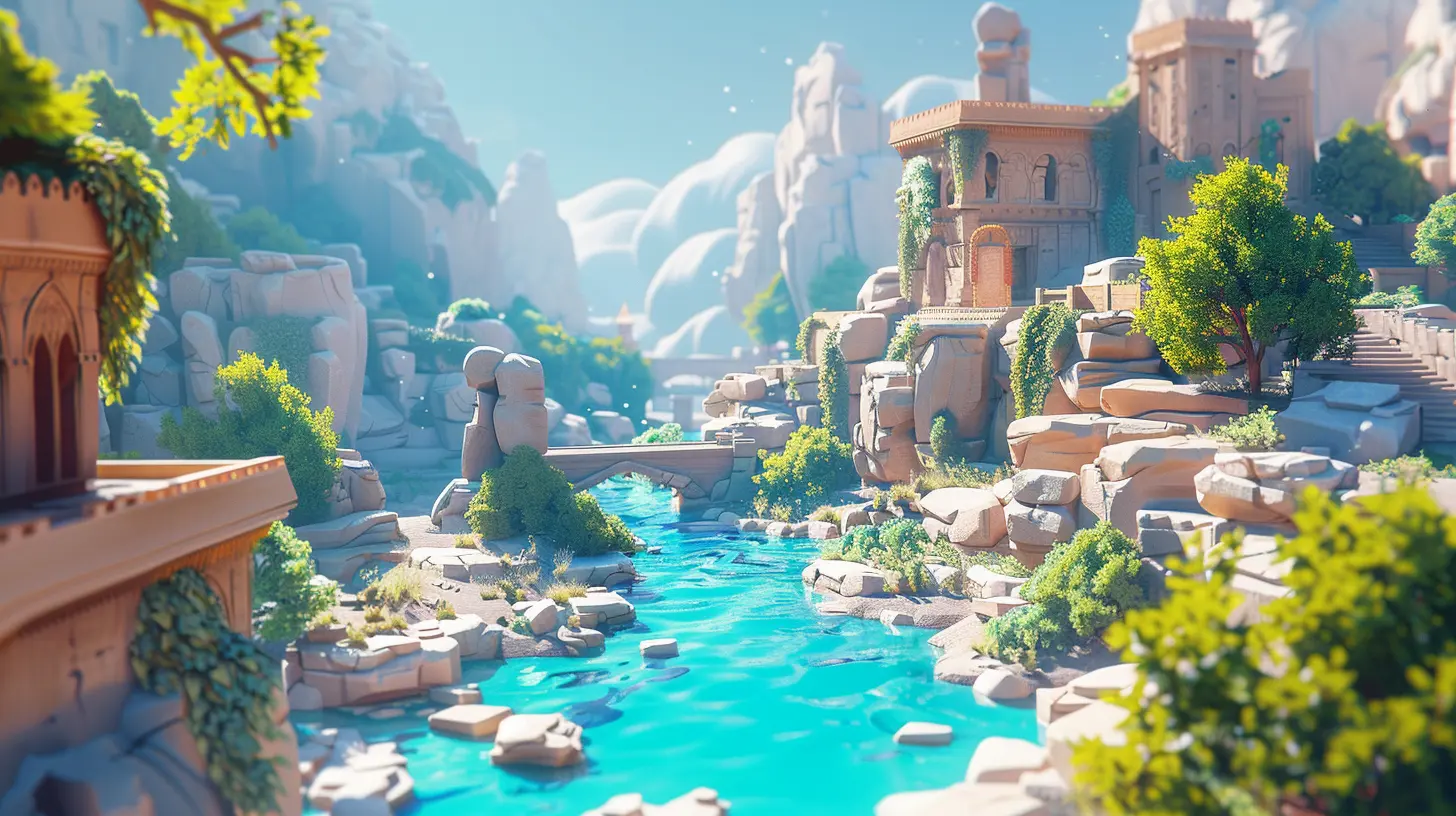
🧰 1. Ready-to-Use Tools Out of the Box
One of the biggest roadblocks when starting a game? Building systems from scratch. Whether it's a camera controller, movement scripts, or collision detection, coding everything manually eats up time.With Unity, you don’t start at zero.
It’s got built-in features like:
- Physics engine (Rigidbodies, Colliders, etc.)
- Animation system (Animator, Timeline)
- Lighting systems
- Navigation meshes (for AI pathfinding)
- UI tools
These tools are all right there from the moment you open a new project. That means you can start prototyping without worrying about reinventing the wheel. Just drag, drop, tweak — and boom, you’ve got a working concept.
⚡ 2. Rapid Iteration with Real-Time Play Mode
Here’s a feature you’ll fall in love with: Play Mode.Unity lets you test your game in real time with a single click. No long compile times, no waiting. Just hit the Play button, and you’re instantly inside your game world.
Messed up a jump mechanic? Pause, tweak the numbers, and hit Play again.
Want to try a new enemy behavior? Change the script and hit Play.
This rapid feedback loop means you can iterate faster than ever before. And when you’re prototyping, time is everything.
🎨 3. Unity Asset Store: A Playground for Creators
Don’t underestimate the power of the Unity Asset Store. It’s like Amazon for game developers — full of ready-to-use models, environments, scripts, music, sound effects, and tools.Here’s how it helps:
- Skip the art phase: Just grab placeholder assets.
- Test gameplay ideas: Use pre-built systems like inventory or dialogue trees.
- Save time: Why code a health system when you can download one that works?
During prototyping, visuals don’t need to be perfect. Using pre-made assets helps you focus on crafting the gameplay experience instead of building everything from scratch.
👾 4. Visual Scripting with Bolt and Unity's Built-In Tools
Not a coder? No problem.Unity supports visual scripting, which is perfect if you're more of an ideas person than a lines-of-code guru. With tools like Bolt (now integrated into Unity), you can create logic and game mechanics by connecting nodes visually.
This levels the playing field. Whether you're an artist, designer, or total beginner, you can bring your concept to life without writing a single line of code.
It’s basically the LEGO version of programming.
🧠 5. Powerful Scripting with C
(If You Love Coding)
For those who do enjoy coding, Unity’s scripting in Coffers a beautiful level of control and depth.
You can:- Create custom mechanics quickly
- Hook into Unity’s event system
- Control animations, physics, and AI
- Develop systems like health, inventory, crafting, and more — all within Unity's ecosystem
And the best part? The community has probably hit your roadblock before. StackOverflow, Unity forums, and official documentation are goldmines for solutions.
🌍 6. Cross-Platform Prototyping
Want to test your game idea on PC, mobile, or even WebGL?With Unity, you can build and run your prototype across multiple platforms almost effortlessly.
- Build once
- Test everywhere
This is amazing when you need quick feedback from different audiences. Maybe your mobile game idea plays great on Android but needs tweaking on iOS — Unity makes that testing super easy.
🧪 7. Playtesting Made Simple
Unity makes it straightforward to share your builds for testing. You can build an executable prototype and send it to friends or colleagues for feedback. If you’re testing for mobile, use Unity Cloud Build to automatically build your project and send it to testers.The faster you can get feedback, the faster you can improve your game idea.
🔁 8. Easy Integration with Version Control
Working with a team or making tons of changes? Unity plays nicely with version control tools like Git.This is perfect for iterating on prototypes because:
- You can always go back to earlier versions
- You avoid breaking your whole project with one bad change
- Everyone on the team stays in sync
So no more "Oops, I broke everything!" moments without a way back.
🧩 9. Modular Design Encourages Experimentation
Unity encourages a modular approach. Each component — from scripts to sound effects — works like plug-and-play building blocks.Want to test a new movement mechanic? Plug in a new controller script.
Want to switch up the art style? Swap in a different prefab or asset bundle.
Prototyping becomes a sandbox where new ideas can easily be swapped in and out. And when you're trying to find what sticks — that kind of flexibility is priceless.
🚀 Real-World Example: From Idea to Demo in Days
Let’s say you just had a wild idea: A rhythm-based platformer where each jump needs to match the beat.In Unity, you could:
1. Use default cubes for platforms and characters.
2. Add a basic movement script.
3. Import some royalty-free music.
4. Use the timeline to sync events to the beat.
5. Add a UI score counter and game over screen.
Within a weekend, you’ve got a playable prototype. It’s not polished, but it’s real — and that’s what matters. You’ve got something testable, tweakable, and shareable.
🎯 Prototyping Faster = More Creative Freedom
When your tools don't slow you down, your creativity can really shine. Unity removes the usual friction from development, letting you focus on one thing: making fun games.You’re not stuck configuring settings, writing boilerplate code, or debugging rendering issues. You're creating, testing, and refining — the fun stuff.
And the sooner you can prototype, the sooner you can figure out if your idea is worth pursuing.
💬 Final Thoughts: Unity Makes It Simple to Start
The truth is, great game ideas are like shooting stars — they shine brightly for a moment and then disappear unless we catch them. Unity is like a net that lets you catch those moments. It helps you validate your concept before you sink hundreds of hours into making something that might not even be fun.So next time you think, "Wouldn't it be cool if…?" — don’t just daydream it.
Open Unity. Prototype it. Play it. Share it.
Because with Unity, you're just a few clicks away from your imagination becoming reality.
all images in this post were generated using AI tools
Category:
Unity GamesAuthor:

Tayla Warner
Discussion
rate this article
2 comments
Valerie McManus
Unity truly accelerates creativity—excited to see more indie games!
April 16, 2026 at 3:09 AM
Tayla Warner
I'm glad you're excited! Unity really makes it easier for indie devs to bring their ideas to life. Can't wait to see what comes next!
Zareth McNeil
Unity truly shines when it comes to rapid prototyping! Its intuitive tools and vibrant community make brainstorming and testing game ideas a breeze. Can't wait to see what amazing creations emerge from this fantastic platform! Keep gaming! 🎮✨
April 15, 2026 at 3:48 PM
Tayla Warner
Absolutely! Unity's ease of use and supportive community really boost creativity and speed up the prototyping process. Excited to see what everyone comes up with too! Keep creating!