How to Turn Video Game Time Into Learning Time
2 March 2026
Let’s be real — most of us have been told at least once in our lives that video games are a “waste of time.” Maybe it was your parents, a teacher, or even your own inner critic. But what if I told you that video game time doesn’t have to be mindless screen time? What if you could actually use that gaming time for something more productive — like learning?
Yep, games aren’t just for fun; they can also be powerful learning tools if you know how to use them right.
Why Video Games Have Learning Potential
Before we get into the how, let’s talk about the why. Why would anyone see video games as anything more than entertainment? It comes down to one major factor: engagement.Think about it — when you’re fully immersed in a game, you’re problem-solving, strategizing, managing resources, collaborating with other players, and adapting to new challenges. That’s not just playing; that’s active learning in disguise.
Here's what makes games an ideal learning platform:
- Real-time feedback: You mess up, and the game lets you know instantly. Then you adjust and try again.- Progression: Levels or quests build on each other, which mirrors how we learn naturally — step by step.
- Clear goals and rewards: Motivation in the form of achievements, upgrades, and unlockables.
- Safe failure: You can fail multiple times without real-world consequences. This encourages experimentation and resilience.
Now let’s break down how you can start turning your hours of game time into something a whole lot more meaningful.
1. Play Games That Are Designed to Teach (But Fun!)
Let’s start with the obvious: educational games. Now, don't roll your eyes — educational games have come a long way since the days of boring flashcards slapped onto a screen.Games like Kerbal Space Program teach physics and engineering through rocket science (literally). Civilization VI is a masterclass in history and strategy. Even games like Minecraft (especially in its Education Edition) help players learn coding, architecture, and resource management.
The key? Finding games that are both fun and educational — and yes, they do exist. When learning is part of the gameplay instead of just slapped on top, you barely notice you’re learning. That’s the sweet spot.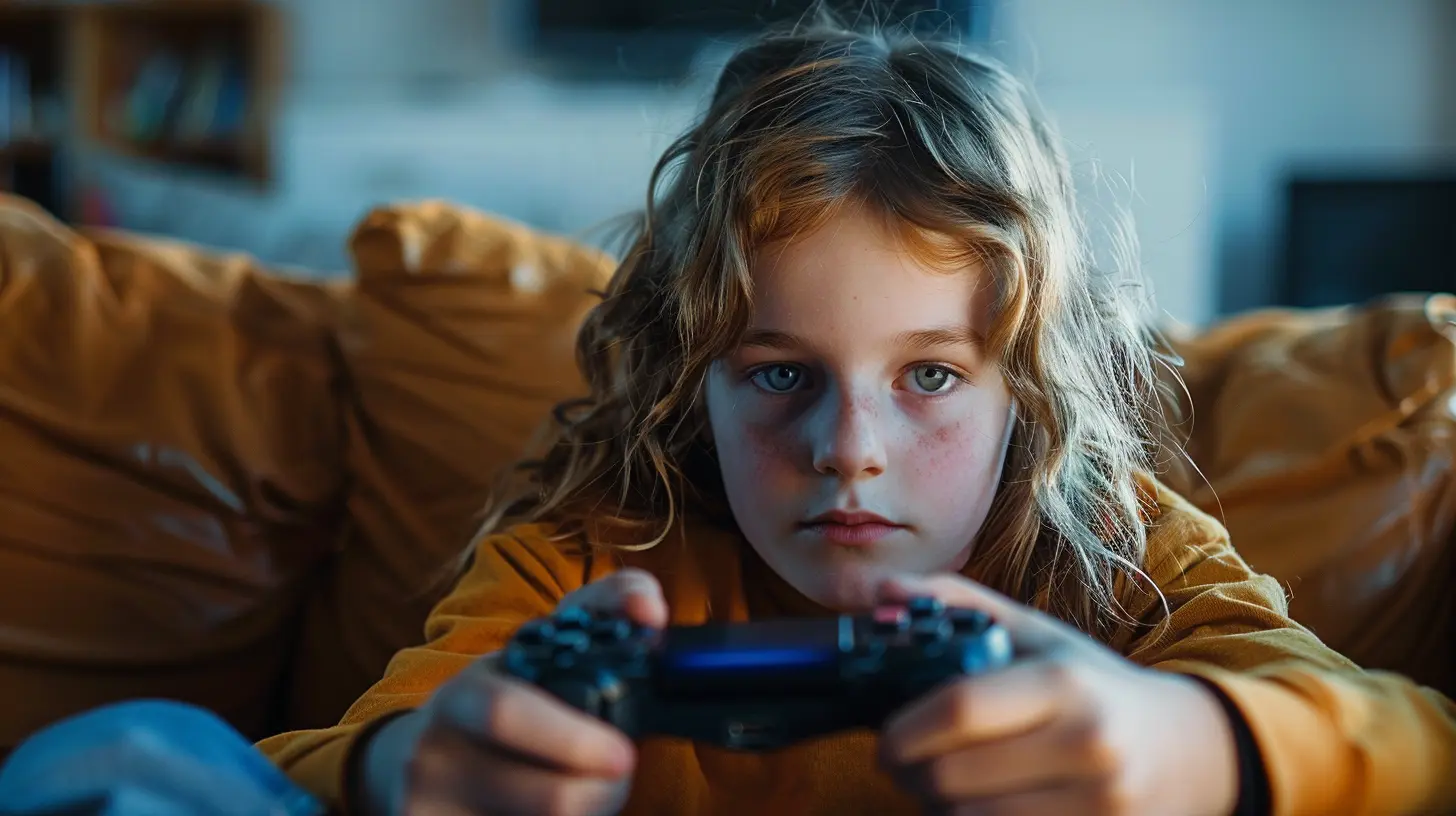
2. Use Mods and Tools to Go Deeper
Many games have vibrant modding communities — and diving into these can teach you more than you might imagine.Take Minecraft again. The modding scene is enormous, and creating your own mod requires understanding basic coding principles. Platforms like Scratch, Code.org, or Mcreator even help beginners build mods without needing an advanced computer science degree.
Beyond just coding, modding trains problem-solving, logic, and creativity. It's like LEGO for your brain — but digital.
3. Make It a Creative Outlet
Games aren’t just about beating bosses and collecting loot — they’re also creative sandboxes. Think of video games as digital canvases where you can build, compose, and tell stories.Take a look at these:
- The Sims — Interior design, storytelling, even social psychology.
- Dreams by Media Molecule — Lets you create your own playable games, music, art, and animations.
- Roblox Studio — Perfect for aspiring game developers to design and publish their own content.
Creating inside games hones skills like storytelling, visual design, audio editing, and narrative building. Who said learning had to be dry and dull?
4. Join a Community & Start Collaborating
Let’s be honest: half the fun of gaming is playing with others. Multiplayer games, whether it's MMORPGs or co-op games, teach collaboration, communication, and leadership — just like in real-world group projects (but way more fun).Take World of Warcraft raids — they require planning, strategy, role delegation, and precise execution. Or think about Among Us, where social deduction and psychological analysis take center stage.
When you dive into communities — Discord servers, Reddit threads, YouTube content creation — you start building social and communication skills without even realizing it.
You’ll also expose yourself to people from different cultures, backgrounds, and time zones. That’s some serious global awareness.
5. Analyze and Reflect on Your Gameplay
Most players don’t think twice after turning off the console. But if you want to transform play into progress, you’ve got to reflect.Ask yourself:
- What strategies worked? What didn’t?
- Did you improve in this session? How?
- What challenges did you overcome?
Even better, keep a gaming journal or start a blog to document your progress. If journaling sounds too old-school, record gameplay sessions and edit them into YouTube videos. This not only develops critical thinking but also storytelling and editing skills.
6. Learn Real-World Skills Inspired by Games
Many gamers get so inspired by their favorite titles that they take it outside the virtual world. Are you into realistic racing games? Try learning how actual car engines work. Love Assassin’s Creed Origins? Delve into Egyptian history.Here’s how some genres translate into real-world skills:
| Game Genre | Learning Opportunity |
|------------|----------------------|
| Strategy | Economics, political science, logistics |
| Simulation | Engineering, architecture, urban planning |
| RPGs | Decision-making, ethics, time management |
| Puzzle games | Logical reasoning, math |
| Survival games | Planning, resource allocation |
Pair your gaming with YouTube tutorials, online courses, or books related to the game mechanics or themes. You’ll start seeing connections everywhere.
7. Turn Gaming Into a Career Path
Okay, this one’s for the serious dreamers. Yes, turning gaming into a career is possible, and no, it doesn’t always mean becoming a full-time streamer.Think about these roles:
- Game Designers
- Game Developers
- QA Testers
- Narrative Writers
- Voice Actors
- Game Journalists
- Esports Coaches
The gaming industry is massive and growing. If you love games, there’s a chance to professionally turn that passion into a paycheck. Just start small — maybe create a game prototype, write reviews, or intern at a studio. Every step counts.
8. Balance is Key
None of this works if you let gaming take over your life. Just like anything else, moderation matters. Use tools like parental controls, screen time apps, or simple good old-fashioned self-discipline to make sure you're not overdoing it.Set goals, take breaks, and most importantly, don’t forget the offline world. Sometimes the best way to level up — in games or life — is to step away for a bit.
9. Involve Parents, Teachers, or Mentors
If you're a younger gamer reading this, or a parent wondering if your child’s obsession with Fortnite has any value — here’s the good news. It does, especially if you steer it with some guidance.Sit down together, pick games that have depth, and discuss what’s being learned. Encourage curiosity beyond the screen. Ask questions like “Why did that strategy work?” or “What does that achievement tell you about your skills?”
Games can be a bridge between generations when approached with openness and curiosity. We don’t have to speak different “languages” — we just need a shared controller.
Final Thoughts
Gaming gets a bad rap sometimes, but it doesn’t have to live in the “junk food” category of pastimes. Think of it more like sushi — the kind that can be indulgent or nutritious, depending on how it’s made.Video games can be way more than a time sink. With the right approach, they can become a playground for your brain — building skills, sparking ideas, and even opening up new career paths.
So the next time someone says gaming is a waste of time, just smile and know better. You’re not just playing — you’re learning, growing, experimenting, and maybe even changing your future one level at a time.
Game on — and level up your brain while you’re at it.
all images in this post were generated using AI tools
Category:
Parental Guide To GamesAuthor:

Tayla Warner
Discussion
rate this article
2 comments
Patience Estes
Level up your mind!
March 6, 2026 at 6:06 AM
Tayla Warner
Absolutely! Gaming can be a powerful tool for cognitive growth and skill development.
Runevale McLaughlin
Great tips! I love how gaming can spark curiosity and boost skills. It’s all about finding that balance—learning while having fun is the best way to grow!
March 2, 2026 at 5:51 AM
Tayla Warner
Thank you! I'm glad you enjoyed the tips. Balancing fun and learning is key to maximizing the benefits of gaming!