How to Talk to Your Kids About Video Game Addiction
1 April 2026
Let’s be honest—video games are awesome. Whether it’s building an empire in Minecraft, hunting ghosts in Luigi’s Mansion, or rage-quitting after falling off Rainbow Road for the ninth time in Mario Kart, games are a blast. Parents know it, kids really know it, and sometimes... well, sometimes it gets a little out of hand.
If you’ve ever found yourself yelling, “Turn that thing off!” for the third time in a row while your child nods and continues slaying zombies with laser-focused precision—you might be dealing with video game addiction. But how do you talk to your kids about it without sounding like you’re trying to take away all their fun?
Grab your virtual gear, parental patience, and a healthy dose of humor, because we’re diving headfirst into how to talk to your kids about video game addiction.
🎮 First Off, What Is Video Game Addiction?
Before we bust into “Sit down, we need to talk” mode, let’s understand what we’re up against.Video game addiction isn’t just playing Fortnite for a few hours on a Saturday. It's when gaming starts to interfere—big time—with daily life. Think sleep deprivation, dropping grades, skipping meals, ghosting family, and prioritizing gaming over, well, everything.
It’s not officially a “one-size-fits-all” mental health diagnosis in every country, but the World Health Organization has recognized something called “Gaming Disorder.” Basically, if gaming becomes compulsive and continues despite negative consequences, we’re in the danger zone.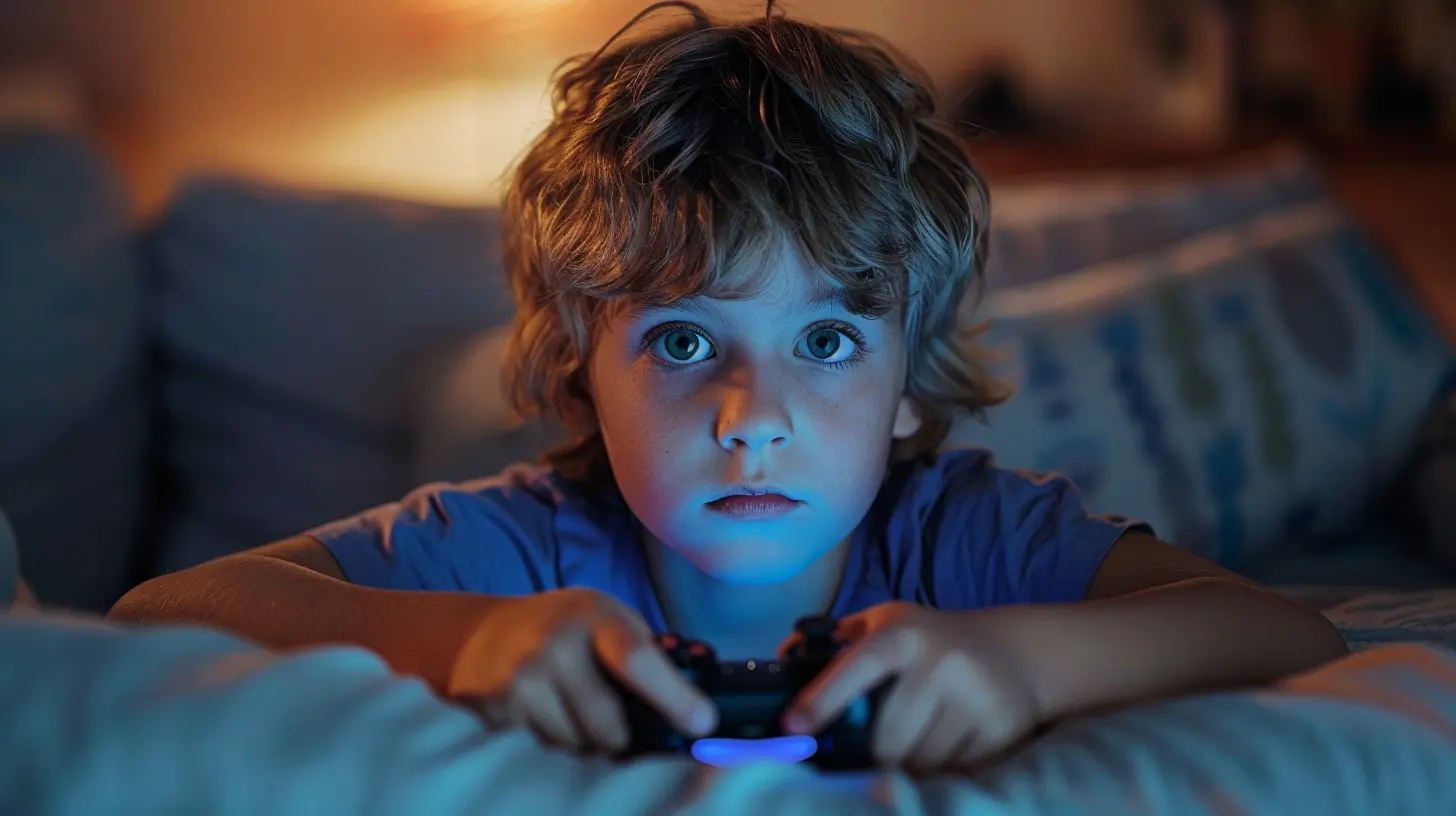
🧠 The Psychology Behind It: Why Kids Get Hooked
Kids aren’t obsessed with gaming because they’re lazy or rebellious. Games are literally designed to be addictive. Yep, game developers are basically the Willy Wonkas of dopamine.Here’s why kids (and, let’s be real, adults too) fall deep down the gaming rabbit hole:
- Achievement systems: Unlock badges, level up, collect loot. It’s like handing out gold stars every 10 minutes.
- Social interaction: Some games let your kids connect with friends—even make new ones across the globe.
- Escapism: When homework stinks and real life feels stressful, why not jump into a fantasy world where you're the hero?
- Instant gratification: Unlike school, life, or chores—games offer quick rewards and constant progress.
Sound familiar? It’s like trying to convince someone to stop eating Oreos mid-snack.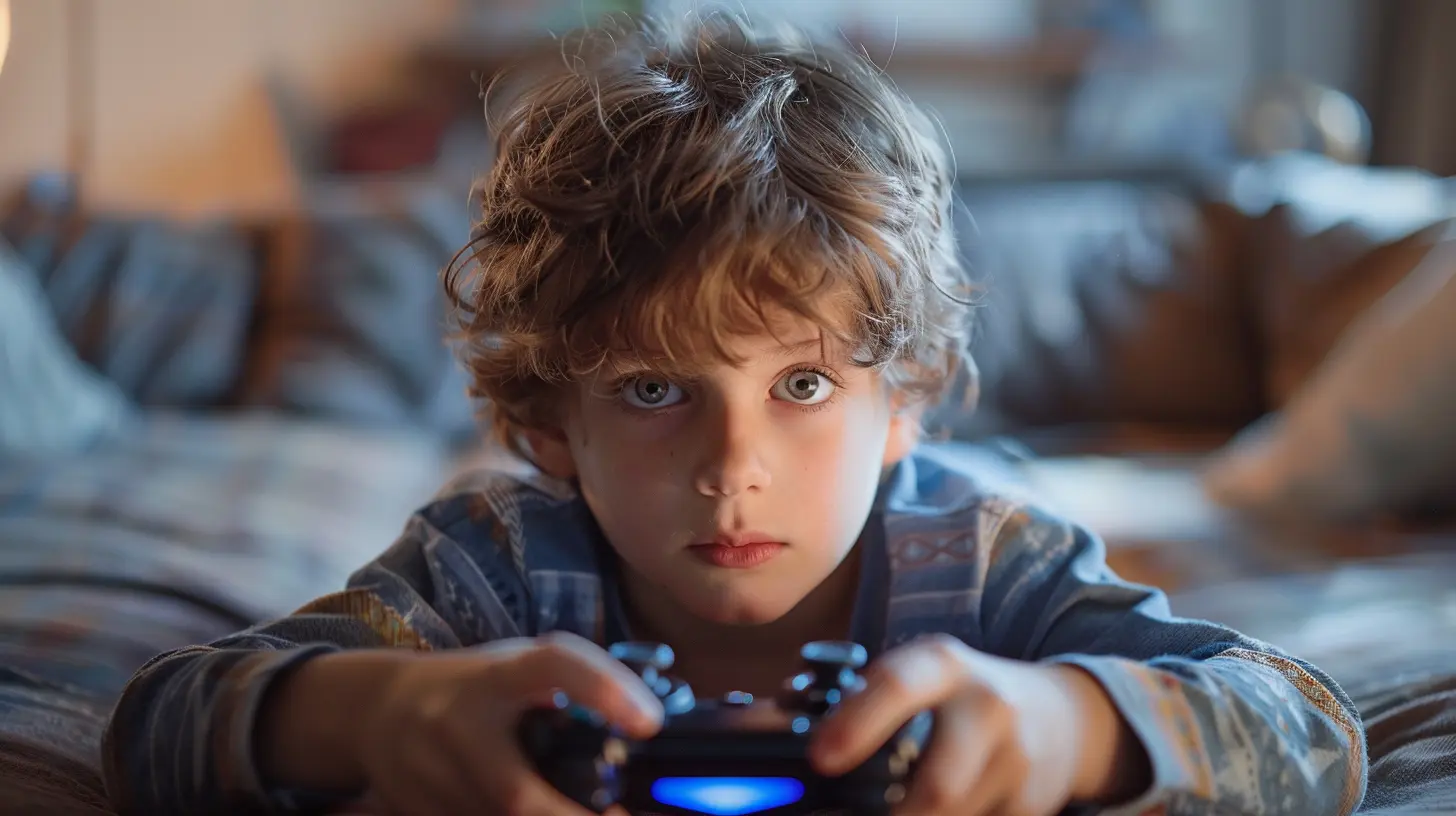
🗣️ Step One: Check Yourself Before You Wreck Yourself
Before having “the talk,” check your own temperature. Are you calm? Or are you about to Hulk-smash the console?Coming in hot with accusations like, “You’re addicted!” or “You play too much, you're ruining your life!” won’t go over well. Kids will either shut down, get defensive, or go full Gremlin mode (you know what I mean).
Instead, approach the conversation with curiosity, not judgment. Imagine you’re Sherlock Holmes with a snack—observing, gathering clues, and ready for a chill chat.
🧑🤝🧑 Step Two: Make It a Two-Way Street, Not a Lecture
Let’s face it: kids tune out lectures faster than you can say “analog stick.” So instead of turning into a one-person TED Talk on the dangers of gaming, start a real conversation.Try something like:
> “Hey, I’ve noticed you’ve been spending a lot of time gaming lately. How are things going?”
Or:
> “I get that you love this game. Can you tell me what makes it so fun for you?”
Boom—you’ve just opened the door to their world instead of slamming the door on their hobby.
Let them talk. Listen. Nod. Resist the urge to list chores or quiz them on algebra in the middle of this. Your mission is to understand what gaming gives them before you talk about taking any of it away.
⏰ Step Three: Talk About Time—Without Sounding Like a Drill Sergeant
It’s all about balance, right? You’re not saying, “No games ever again." You're saying, "Let’s figure this thing out."Get them involved in setting boundaries by asking:
- “How much time do you think is fair to spend gaming each day?”
- “What else do you want to make time for, like friends or sports?”
- “How do you feel after a long gaming session—energized or kind of blah?”
Work with them to create a realistic schedule. Include screen-free time, physical activities, schoolwork, and family hangs. Let them suggest the structure, then tweak it if needed.
Pro tip: Instead of forcing a strict “1-hour max” rule that might cause rebellion, try focusing on habit stacking—like “Games only after homework and dinner.” That way, the important stuff comes first.
🔌 Step Four: Unplug Gently, Not Abruptly
Imagine someone snatching your book mid-chapter, or cutting off the Wi-Fi during binge-watch hour. Rage level: 500.So, when your child’s been deep in a game and you need them to stop, give them a heads-up like:
> “You’ve got 15 minutes left—start wrapping up your game.”
Gamers can’t just quit mid-match without consequences. They might lose progress or get penalized. Give them the courtesy to finish up. It shows respect—and trust me, it goes a long way.
👪 Step Five: Replace, Don’t Just Remove
If you yank away the game controller but don’t offer any alternatives, you’ll likely end up with a sulking kid staring at the wall, plotting your downfall.Instead, suggest (or better yet, do together) activities like:
- Shooting hoops or going for a bike ride
- Cooking something fun (pizza, cupcakes... bribes, basically)
- Starting a creative project (drawing, building LEGOs, learning music)
Your goal? Help your child find other ways to feel excited, challenged, and connected—just like they do in games.
And hey, maybe even offer up some game incentives:
> “Finish your reading and we’ll play a round of Mario Kart together.”
That’s not manipulation—it’s brilliant strategic parenting.
🧑⚕️ Step Six: When to Call in Reinforcements
If your child’s video game use has spiraled into full-on avoidance of school, sleep, meals, or social interactions, it may be time to bring in a professional.And that’s okay! Therapists, counselors, and even pediatricians can help create a plan that’s constructive—not punitive.
You don’t need to handle this alone, and neither does your child. Seeking help doesn’t mean failure—it means you care enough to get the right tools for the job.
👾 Bonus: Show Interest in Their Games
Yep. Even if pixelated mayhem isn’t your jam, showing interest goes a long way.Ask them to show you their favorite game, explain the rules, or teach you how to play. Bonding over gaming beats arguing about it every time.
Who knows—you might even like it. (Unless it’s one of those games where you have to mine 16 different resources just to build a chair. Then, good luck.)
⛔ Common Pitfalls to Avoid
Let’s take a little detour to highlight what not to do:- ❌ Don’t shame or guilt them about playing.
- ❌ Don’t compare them to “other kids” who aren’t as into gaming.
- ❌ Don’t treat gaming like a villain. It’s not. It just needs boundaries.
Instead, focus on building trust, setting limits with love, and creating balance. Because at the end of the day, our goal isn’t to eliminate gaming—it’s to raise happy, healthy, well-rounded humans who don’t panic when the Wi-Fi goes out.
💬 Final Thoughts: This Is a Journey, Not a Boss Fight
Talking to your kids about video game addiction isn’t a “one and done” convo. It’s a series of smaller chats, check-ins, and adjustments. Some days will go smoothly. Other days? Not so much.But guess what? You’ve got this.
By keeping communication open, setting clear expectations, creating alternatives, and showing empathy, you’ll help your kids find that sweet spot between game time and real life.
Remember: You’re not just battling gaming addiction. You’re building a stronger relationship with your kid—a connection that no high score can beat.
Now go ahead and give yourself a level-up, parent. You deserve it.
all images in this post were generated using AI tools
Category:
Parental Guide To GamesAuthor:

Tayla Warner
Discussion
rate this article
2 comments
Dean McDougal
This article provides essential strategies for parents to communicate effectively about video game addiction, fostering healthy gaming habits and open dialogue.
April 4, 2026 at 4:54 AM
Tayla Warner
Thanks for your feedback! I'm glad you found the strategies helpful for fostering open dialogue with your kids.
Kate Nelson
Engaging in open conversations about video game use is essential. Encourage kids to express their feelings and concerns while establishing clear boundaries. Focus on balance, highlighting the benefits of moderation and the importance of other activities, fostering a healthy relationship with gaming.
April 3, 2026 at 5:07 AM
Tayla Warner
Absolutely! Open dialogue and clear boundaries are crucial. Encouraging kids to share their thoughts helps promote a balanced approach to gaming while highlighting the importance of diverse activities.