How the Power Button Became Sacred
19 August 2026
Let’s be honest — when was the last time you really thought about the power button? You know, that tiny icon staring up at you from your console, your PC, your controller, even your phone? You probably press it dozens of times a week without giving it a second thought.
But what if I told you that humble little button carries more weight than you think? That it’s more than just a gateway to your gaming world — it’s a symbol of control, a ritual, almost sacred in its significance?
Yep. We're going deep into the world of power buttons — from their geeky start to how they've become almost ceremonious in our daily gaming lives. Buckle up, because this is gonna be one heck of a ride.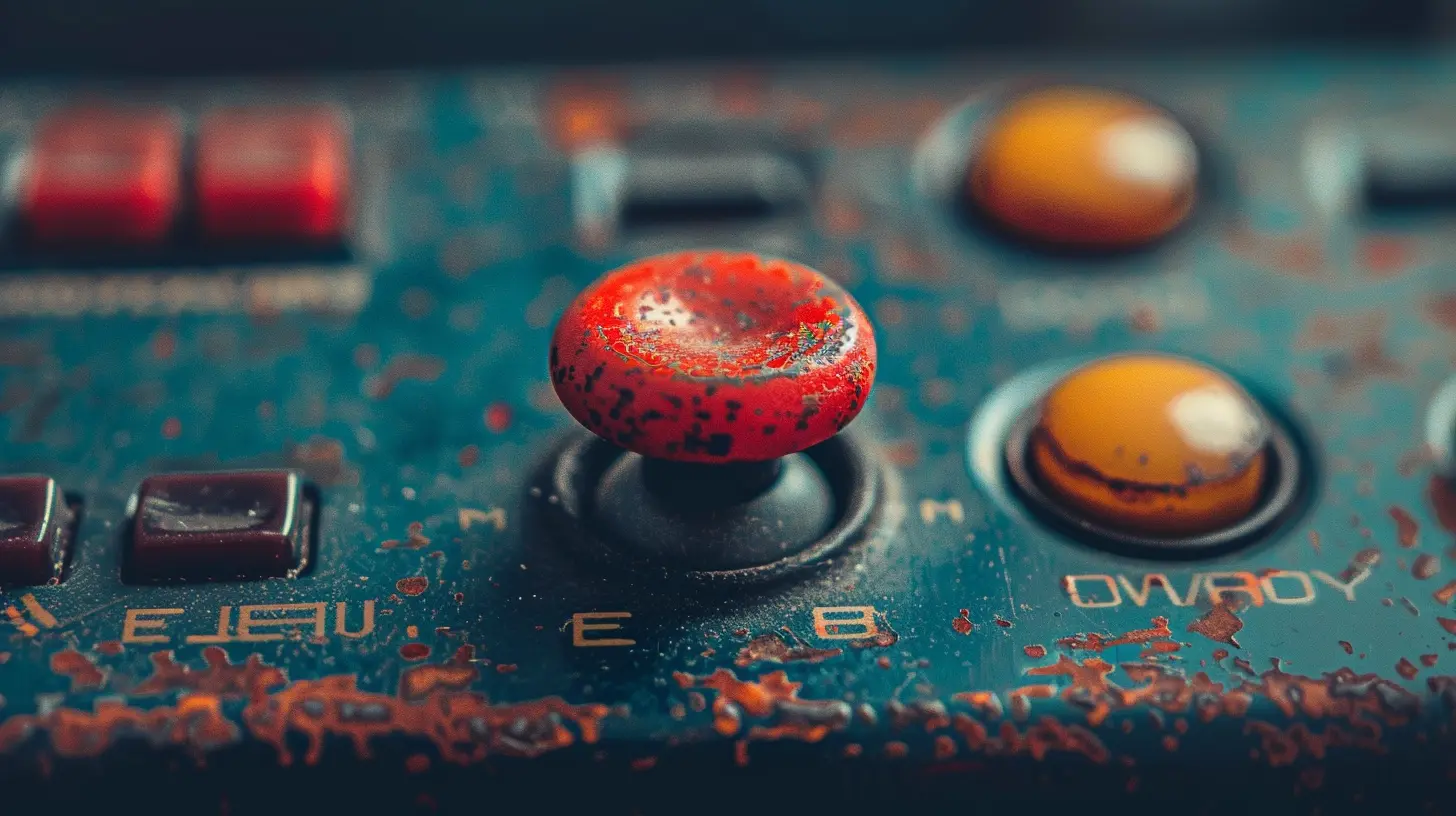
The Origins: Simple Button, Big Responsibility
Once upon a time, in the analog age of electronics, powering up a machine wasn’t exactly elegant. Flipping huge mechanical switches, pushing clunky levers — booting up a device felt like starting a small aircraft.Then came the revolution of consumer electronics. And with it? The birth of the soft-touch power button.
In the late '70s and early '80s, with the rise of home entertainment systems, computers, and video game consoles, big tech brands started prioritizing user-friendly design. A tiny button with a circle and line symbol started to appear — sleek, modern, and easy to use. And just like that, the power button as we now know it was born.
But that was just the beginning.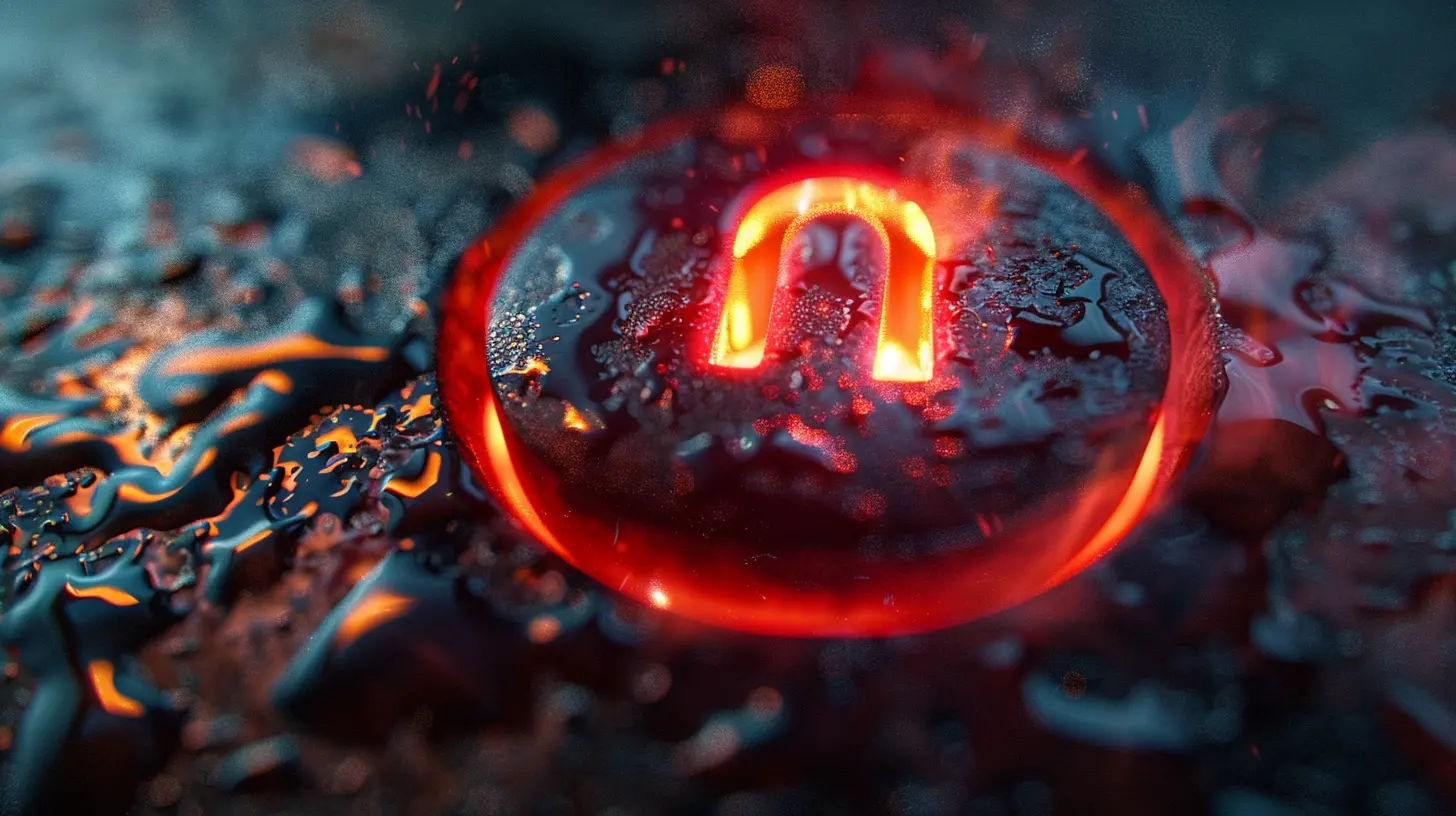
Press to Begin: The Ritual of Gaming
Think about the start of any gaming session. It always begins with that one sacred moment — pressing the power button.There’s something kind of magical about it, right? That satisfying “click” or “tap” is like the gateway to another world. It's not just about turning on a console or booting up a PC. It's the start of an experience. A transformation. A transition from the real world to something simulated, digital, and extraordinary.
For some of us, it's a nostalgic flicker of childhood — powering up your SNES or Sega Genesis and watching the logo burst onto the screen.
That one action… it’s a moment of anticipation. Of escape. Almost like lighting a candle at the start of a ritual. It's meaningful. It's personal.
So yeah, it’s just a button… but is it really?
Small Icon, Big Symbol: What the Power Symbol Actually Means
You’ve seen it. That little symbol — a circle with a vertical line halfway through it. Ever wonder what that even means?It’s actually a combo of binary digits!
- The circle represents the binary “0” (off).
- The line represents the binary “1” (on).
Put them together, and you’ve got power — the concept of turning something either on or off. That’s been standardized across industries globally through the IEC (International Electrotechnical Commission).
So, every time you punch in that power button, you’re interacting with the very language of machines. Kind of poetic, isn’t it?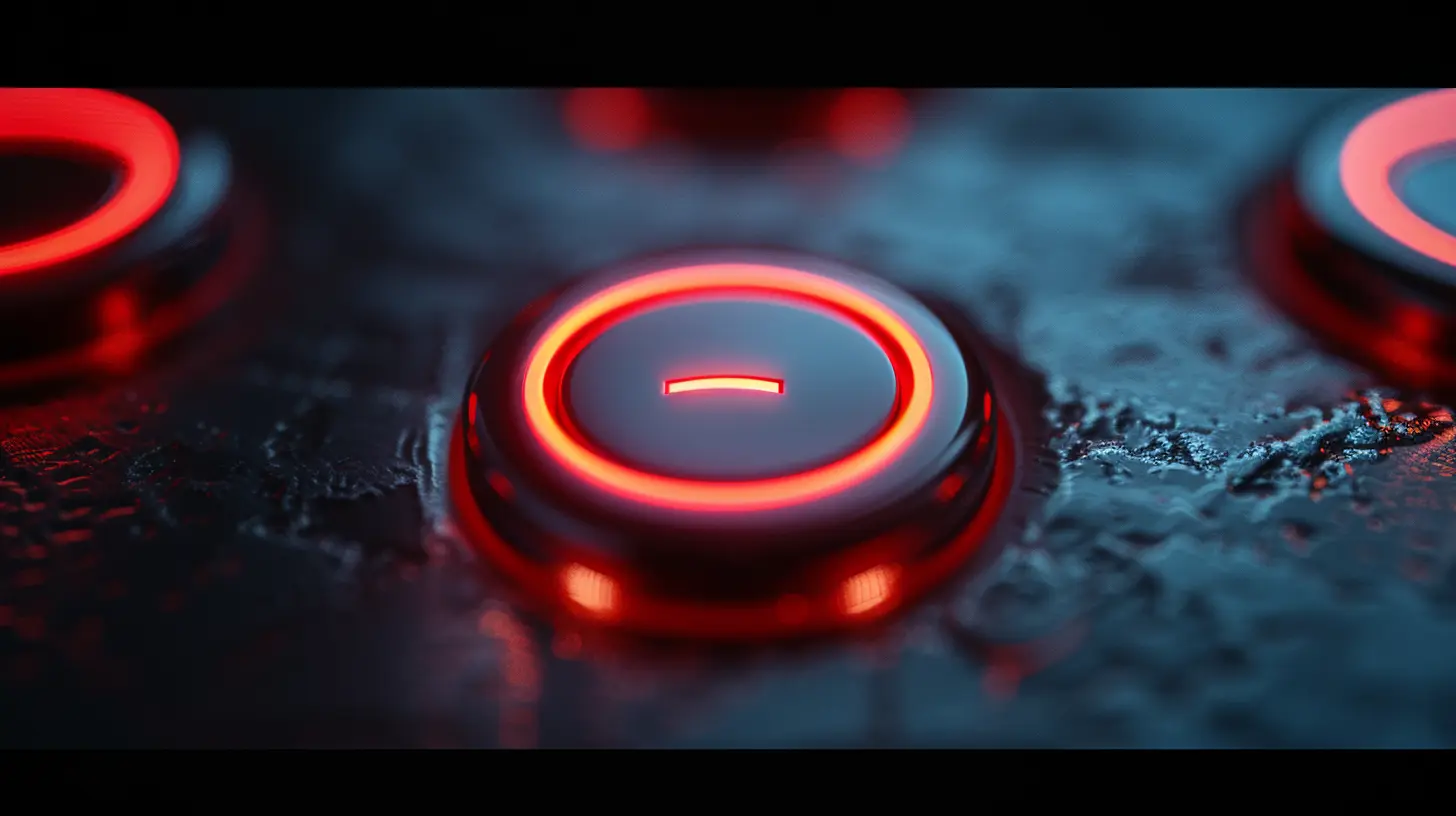
Power and Control: The Gamer’s Throne
In the world of gaming, control is everything. The power button is the first step in that control. It’s the command center, the ultimate switch between worlds.Think of it this way — the power button is to gamers what the captain's chair is to Star Trek’s Captain Kirk. You hit that button, and boom! You’re in charge. You’re about to command armies, race futuristic cars, build kingdoms, or take down monstrous bosses.
And it’s not just turning something on. It’s signaling your intent: “I’m here to play.” That’s powerful stuff.
Hold for 5 Seconds: The Power Off Ritual
We’ve talked about turning things on… but what about turning them off?That long press of the power button — it feels final, doesn’t it? Like packing away the toys after a wild adventure. You’re not just shutting down a machine; you’re closing off a chapter.
And remember when consoles didn’t have autosave? Yeah — turning off your PS1 or GameCube was a sacred act. You’d hold your breath, make sure the memory card had saved everything, and only then — only then — would you dare shut things down.
Even now, with cloud saves and instant resume, we still treat it like a closing ceremony. Hit the button, watch the system go dark, and sit in the silence for a second before getting up. It’s a vibe.
Enter the Hibernation Era: Sleep, Don’t Shut
With modern consoles and gaming PCs, we don’t even always turn things off anymore. Standby mode, rest mode, sleep mode — call it what you want, it’s the new norm.But even that’s a ritual.
You hit the power button now, and instead of it shutting down, your system enters a digital nap. Your game is still running. Your progress is saved in the system’s memory, ready for you to pop back in like you never left.
Kind of like putting your game on pause in your real-life playthrough, right?
Accidents Happen: The Button That Ends It All
Oh, and let’s not forget the dark side of the power button.You know what I’m talking about. That accidental nudge. That tiny slip that shuts down everything mid-battle, mid-cutscene, mid-final boss.
Rage. Despair. Horror.
It’s weird how something so small could be both your best friend and your worst enemy.
Some gamers even cover it. Add a sticky note. Some go full paranoia mode after losing progress and won’t even go near the thing unless they absolutely have to.
Seriously — that tiny button holds a lot of power. Emotionally and functionally.
Symbolism in Culture: The Power Icon as Modern Glyph
Okay, let’s zoom out for a second.Have you noticed how the power symbol is everywhere now? It’s become almost like a universal sign for technology. Shirts have it. Stickers and laptop decals. Even tattoos.
It’s iconic. Not just on/off — but a symbol of individuality.
Gamers, techies, coders — we’ve adopted it as part of our identity. It represents our passion. Our connection to digital life. Our ability to control the machines around us.
In a way, it’s our version of a lightning bolt or an ancient rune. A modern glyph for modern wizards.
Gaming History's Sacred Objects: A Nod to Nostalgia
Let’s not forget, consoles themselves had unique and memorable power buttons. It’s part of why they stick in our memory.- The original PlayStation's circular button with a click that was oddly therapeutic.
- The Nintendo 64 toggle switch – it felt like pulling a lever on a rocket.
- The Xbox 360’s glowing green ring – until it betrayed us with the dreaded Red Ring of Death.
- The PS4's touch-sensitive surface – minimal, but tricky to use during a high-stakes moment.
Each of those buttons had a vibe. A soul, almost. They were more than just functional; they were part of the personality of the system.
It’s why we remember them. It’s why we care.
Future of the Power Button: Will It Disappear?
Here’s a wild thought: will the power button even exist in the future?We're heading towards a future where tech is always on, always connected. Voice commands, gesture control, even eye tracking — it’s all becoming more common.
But let’s be real — there’s something special about that tactile press. That sensation your thumb remembers even when your brain doesn’t.
So yeah, maybe power buttons might become obsolete. Or maybe... maybe they’ll evolve. Become symbolic buttons, even if they don’t physically do the powering on. Maybe they’ll stay, just as emblems of tradition.
I mean, you wouldn’t remove the start button from a car, would you? There’s something to be said for the theatricality of starting something up with style.
Final Thoughts: It’s Just a Button… Or Is It?
In the end, the power button is the unsung hero of our digital lives. It’s tiny, it’s quiet, and it doesn’t ask for much. But it does a lot.It’s the threshold between reality and fantasy. Between work and play. Between chaos and control.
For gamers, especially, it’s the beginning and the end of every story. The catalyst. The curtain call. The sacred ritual that never gets old, no matter how many times we press it.
So next time you go to fire up your console or PC, pause for a moment. Feel the texture under your finger. Listen for the click. Watch the lights glow to life.
That isn’t just a button. That’s magic.
all images in this post were generated using AI tools
Category:
Gaming NostalgiaAuthor:

Tayla Warner