How Subscription Gaming on Cloud Platforms Is Changing Single-Player Games
23 December 2025
Single-player games have always held a special place in the gaming world. They're our escape rooms, cinematic adventures, and personal journeys all bundled into a controller or keyboard. But with the rise of cloud gaming and subscription-based models like Xbox Game Pass, PlayStation Plus, and NVIDIA GeForce Now, the way we experience these games is undergoing a massive shift.
We're in the middle of a gaming revolution—and no, that's not an exaggeration. Subscription services aren’t just tossing a new way to pay at us; they're shaping how games are made, marketed, and even remembered. So, grab your favorite snack and get comfy—because we’re about to dive into how subscription gaming on cloud platforms is transforming single-player adventures as we know them.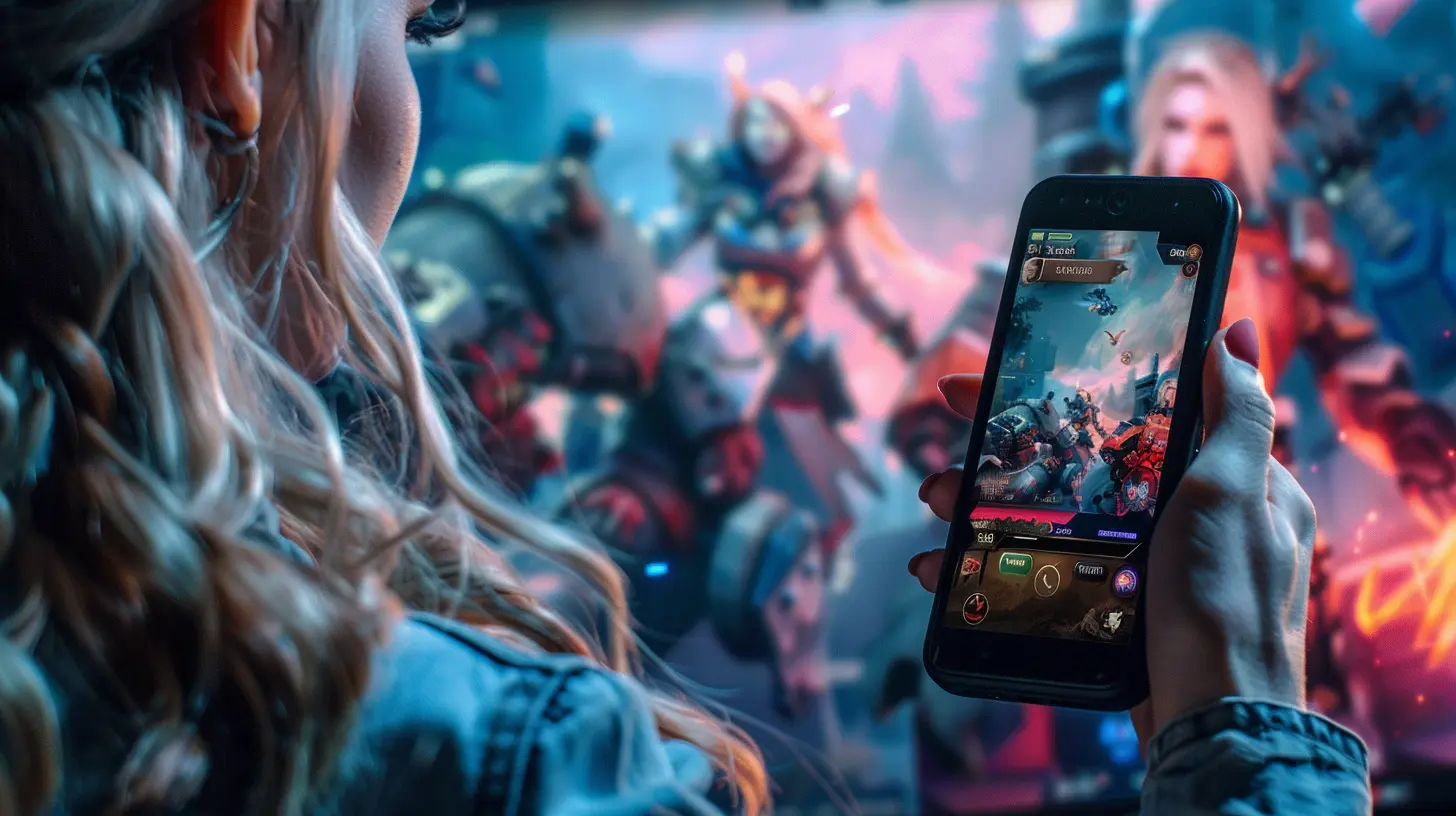
What Exactly Is Subscription Gaming on the Cloud?
Let’s break it down.Imagine Netflix, but for games. Instead of buying individual titles, you pay a monthly fee for access to a library of games you can stream or download—no high-end PC or expensive console required. Platforms like Xbox Cloud Gaming (included with Game Pass Ultimate), PlayStation Plus Premium, and Google Stadia (RIP) are pioneers in this space.
You might be wondering: how does this connect to single-player games? Well, it changes everything—from how developers craft them, to how and when we play them.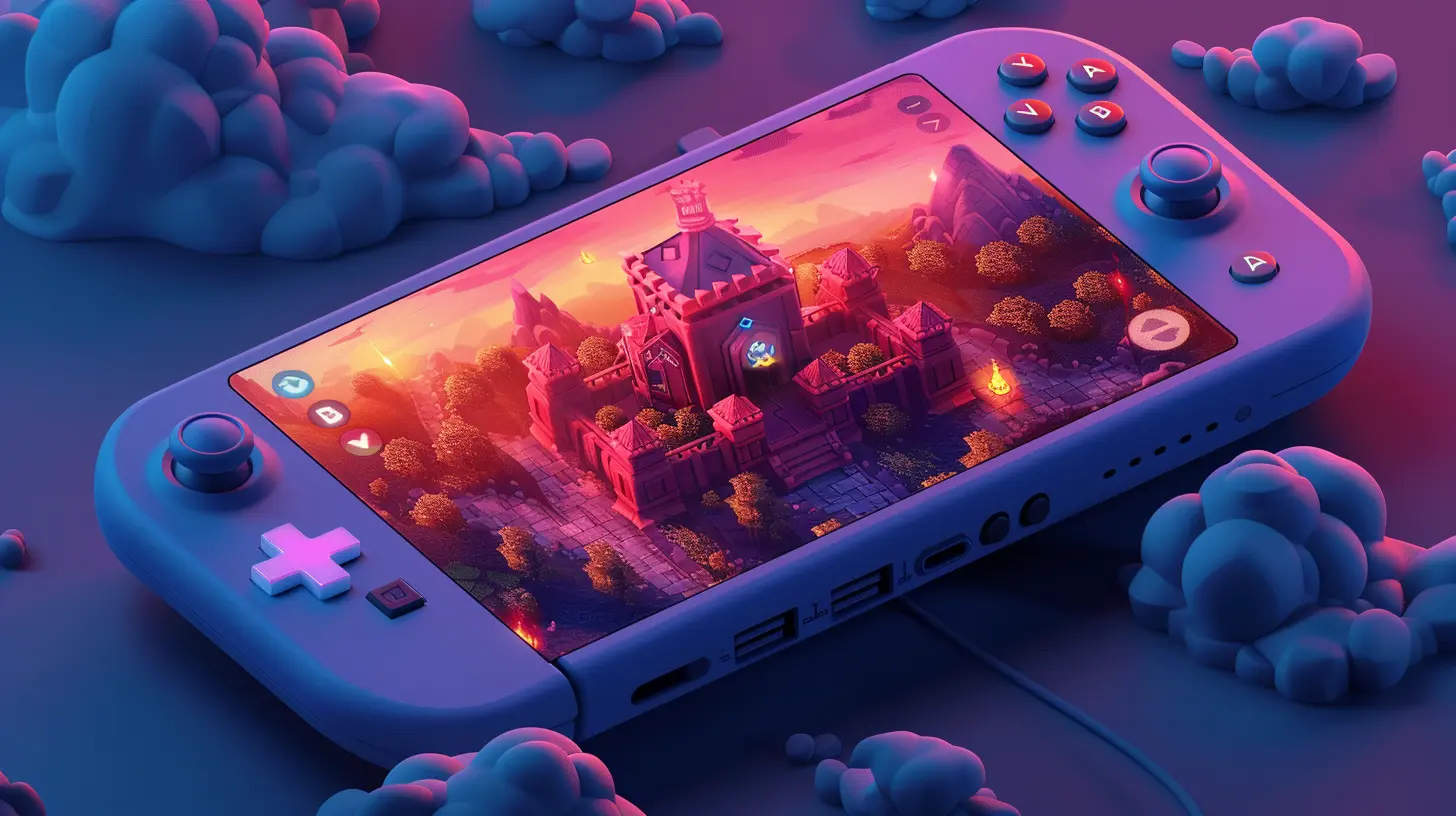
The Old Way: Buy Once, Play Forever
Back in the day, owning a single-player game meant going to the store (remember those?) or buying a digital copy, downloading it, and playing it whenever you felt like. You owned that experience. Whether you finished the game in a week or a year from now, it was yours.You paid your $60, maybe got a few DLCs along the way, and that was that.
It was simple. But also, kind of... limited?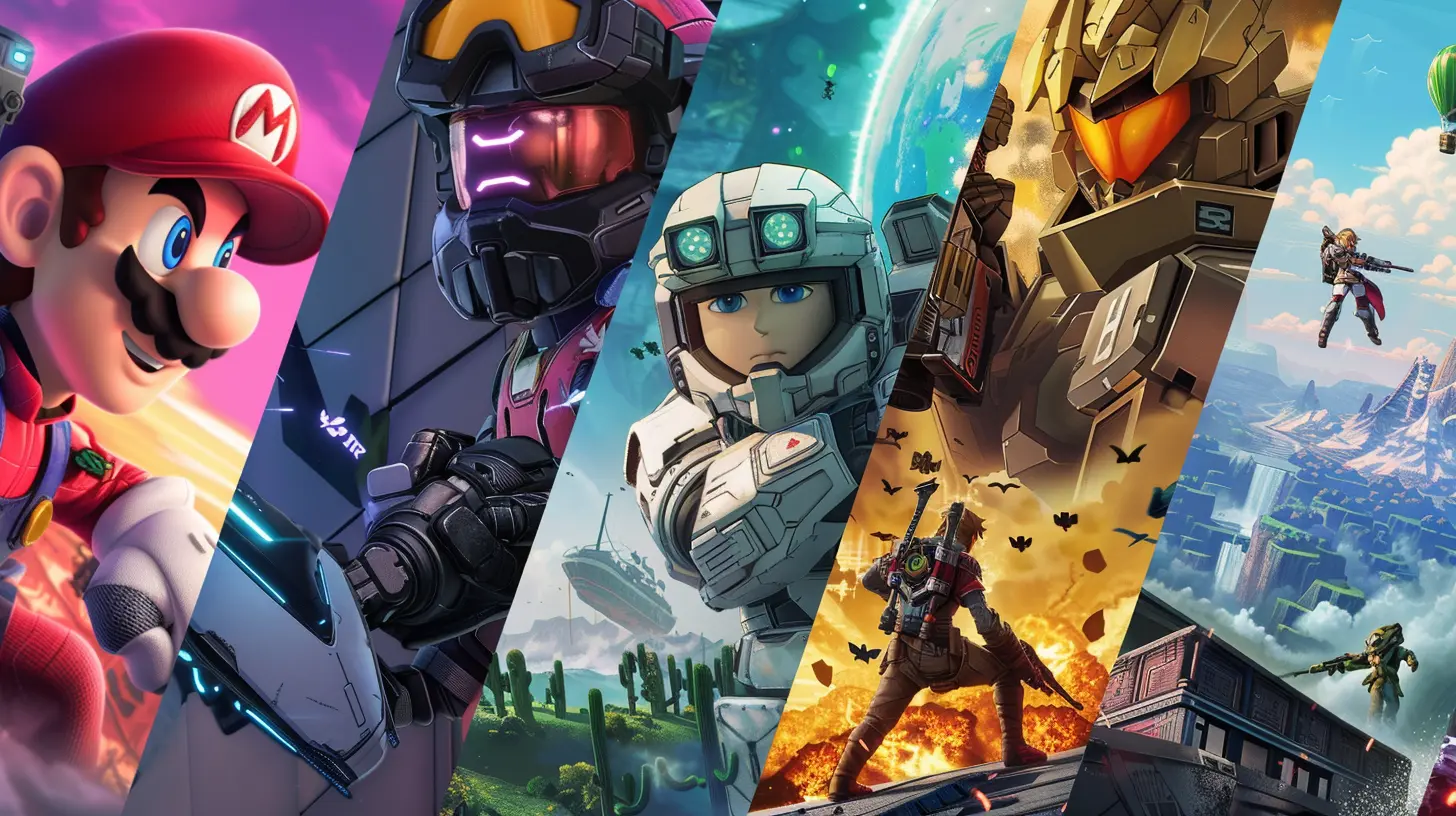
The New Reality: Instant Access, Zero Commitment
Now, with subscription gaming, you get access to vast libraries of games at your fingertips for a fraction of the cost. That alone is a game-changer (pun totally intended). But here’s where things get interesting for solo adventures:- Games rotate in and out of libraries
- Developers compete for attention
- Completion rates are dropping
Wait—what? Let's unpack that.
How Cloud Subscription Services Are Reshaping Single-Player Games
1. Shorter, Snappier Experiences Are on the Rise
Time is currency. With so many options available instantly, players are less likely to sink 100 hours into a slow-burn epic unless it hooks them fast. That means more single-player games are being designed to offer that instant gratification. Think of it like TikTok versus a full-length movie—sometimes, quick and satisfying wins.Games like Hi-Fi Rush or Stray are bite-sized but memorable. They don’t overstay their welcome, which makes them perfect for the subscription crowd.
2. Quality Over Quantity Is Making a Comeback
Ironically, having tons of games at our disposal is pushing developers to stand out with better quality. With players able to switch games faster than you can say “buffering,” your game needs to grip them quick. That’s leading to tighter storytelling, richer visuals, and smoother gameplay in single-player experiences.If a game doesn’t impress in the first 15 minutes, players won’t hesitate to bounce to the next shiny title in the list.
3. Greater Risk-Taking by Developers
Here’s a cool twist. Developers are often more willing to take creative risks when they know their game will be featured in a curated library. Why? The pressure to sell millions of copies upfront is gone.Subscription platforms offer a soft landing pad for more niche or experimental single-player games. This means we’re seeing bolder ideas—like the time-loop mechanic in Deathloop or the trippy narrative of Twelve Minutes—that might not have flown in a traditional market.
4. Episodic and Ongoing Content Structures Are Growing
Cloud platforms aren’t just leading to changes in game size—they’re also influencing structure. Single-player games are starting to feel a bit like TV series, dropping in chapters or seasons. Think Hitman 2016 or The Dark Pictures Anthology.It makes sense: subscription users love coming back for fresh content. And for devs, it spreads out development costs and keeps players engaged longer.
Are We Losing Something?
Let’s be real. This new model isn’t all sunshine and gamepads. There are some potential downsides too.1. You Don’t Really Own the Game
Remember that feeling of having your own copy of a game you could revisit anytime? With subscription models, that’s kind of fading. When games leave the platform, your progress may be gone unless you buy the full version.For long-time fans of certain franchises or collectors, that’s a tough pill to swallow.
2. Pressure to Please Algorithms Over Players
It's not just about making a great game anymore—it’s about making a game that performs well on a platform. That could push developers to focus more on engagement metrics than creating meaningful experiences.Imagine if The Witcher 3 had to be chopped into digestible 3-hour sessions just to fit into a binge-and-forget format. Yikes.
3. Potential Neglect of Deep, Slow-Burn RPGs
Not every gamer wants fast, flashy, and funky. Some of us still love the long, thoughtful, and story-driven games—like Disco Elysium or Divinity: Original Sin 2. But these types don’t always do well in a subscription environment where attention spans are short and options are overwhelming.There’s a real concern that sprawling single-player RPGs could be less viable if they don’t “pop” instantly.
The Silver Lining for Indie Developers
You know who’s loving this shift? Indie devs.Platforms like Xbox Game Pass have become a goldmine for small studios. It's easier than ever to get your story-driven game into the hands of thousands—sometimes millions—of players without breaking the bank on marketing.
For players, that means more variety and fresh voices. For devs? A shot at success without needing to out-muscle giant AAA titles.
Take Celeste, The Artful Escape, or Tunic—these games found massive audiences thanks to subscriptions.
Cloud = Portability = More Gaming, Anytime
One of the less talked-about perks of cloud subscription gaming is simple: you can play anywhere.You start that solo campaign on your console at home, continue it on your phone during your commute, and maybe sneak in another hour on your tablet in bed. Suddenly, playing a single-player game feels as natural as checking your email or watching a YouTube video.
This portability is breaking down the old “I need two hours and a TV” barrier. Now? Got ten minutes in line at the coffee shop? That’s ten minutes deeper into your quest.
Is This the Future of Gaming?
In many ways, yes.Subscription-based cloud gaming is here to stay. It’s shaking up business models, unlocking new creative paths, and offering unparalleled access. But it’s also asking us to rethink what we expect from our single-player experiences.
Maybe the future isn’t about replacing the epic RPGs or cinematic masterpieces, but making room for all shapes and sizes of solo play—compact and colossal alike.
It’s not the death of single-player games. If anything, it’s a renaissance—just in a different outfit.
Final Thoughts
Love it or hate it, subscription gaming on cloud platforms is transforming the way we play solo adventures. It’s making games more accessible, developers more daring, and experiences more varied.But like any big shift, it comes with trade-offs. We're gaining convenience and diversity, but maybe losing a bit of permanence and depth. The key is finding balance—so that single-player games can continue to inspire, entertain, and move us, no matter how we access them.
So the next time you boot up your favorite cloud gaming app, ask yourself: Am I choosing this game because it’s good… or because it’s free for the month?
Either way, happy gaming.
all images in this post were generated using AI tools
Category:
Gaming PlatformsAuthor:

Tayla Warner
Discussion
rate this article
3 comments
Chelsea Blevins
This article insightfully highlights the transformative impact of subscription gaming on single-player experiences. By providing instant access to diverse titles, cloud platforms are redefining how players engage with solo narratives. It's exciting to see how this model fosters innovation and accessibility in storytelling within the gaming industry.
April 21, 2026 at 3:39 PM
Tayla Warner
Thank you for your thoughtful comment! I'm glad you found the article highlights compelling. It's fascinating to see how subscription gaming is reshaping single-player experiences and encouraging new stories.
Naya McKeever
This article nails it! Subscription gaming is revolutionizing single-player experiences by providing instant access to a vast library, allowing players to explore diverse genres without the upfront cost. It’s a game-changer for both developers and gamers, fostering creativity and accessibility like never before.
December 26, 2025 at 3:53 PM
Tayla Warner
Thank you! I'm glad you enjoyed the article. Subscription gaming truly is reshaping the landscape, making diverse experiences more accessible to everyone.
Runeveil McMillen
Revolutionizing access and experience!
December 24, 2025 at 3:41 AM
Tayla Warner
Thank you! Indeed, subscription gaming is transforming how players engage with single-player experiences, making them more accessible than ever.