How Story Choices Change Your Gameplay Experience
3 July 2026
Have you ever sat back after finishing a game and thought, “Wow, I wonder what would’ve happened if I’d chosen differently?” If yes, welcome to one of gaming’s most fascinating features—story choices. These little (or sometimes HUGE) decisions we make in games don’t just influence endings—they carve out entirely different paths, shift character arcs, and even completely alter your bond with the virtual world.
In this joyful ride through the world of interactive storytelling, we’ll dive into how story choices truly change your gameplay experience, why they matter, which games do it best, and how they’ve redefined modern gaming as we know it. Buckle up, because this is going to feel less like reading a guide and more like chatting with your gaming buddy at 3 AM post-boss fight.
Why Story Choices Matter in Games
Let’s be real—games used to be pretty straightforward. Save the princess, defeat the big bad boss, and roll credits. But interactive storytelling turned all of that on its head.Now? You’re not just playing a character. You’re living a story.
Story choices matter because they grant you agency. Rather than being a passive participant, you're the lead director of your personal movie. Every decision you make isn't just a dialogue box—it’s a ripple in a pond that changes your experience.
Here’s what makes story choices so magical:
- They make the game feel personal. Your path is uniquely yours.
- They impact relationships, making friends or enemies depending on your decisions.
- They boost replayability, giving you a reason to dive back in for those “what if” moments.
- They provide emotional depth, getting you truly invested in the outcomes.
The Butterfly Effect – One Choice, Infinite Possibilities
Ever heard of the butterfly effect? In games, it’s when a small decision you made hours ago comes back to either reward or bite you later on.That one time you chose to save a stranger? Turns out he’s the key to unlocking the final mission. Or remember when you lied to a character to protect them? Yeah, they just found out and now they don’t trust you anymore.
It’s like tossing a stone into a lake—the ripples spread far and wide.
Games like Until Dawn and Detroit: Become Human take the butterfly effect to the next level. Miss a quick-time event? That character’s gone. Lie in a conversation? Entire storylines shift. It’s unpredictable, intense, and fuels your desire to keep going.
Player Agency: The Heart of Interactive Gaming
When players have the power to shape the story, they feel like their choices have real weight. That’s called player agency, and it’s a total game-changer.Player agency doesn’t mean you can do whatever you want—more importantly, it means your decisions have consequences. Good or bad, you have to live with them.
Think about games like Mass Effect. Your interactions with other characters, your moral compass, even your attitude—they all contribute to a tailored experience. You’re not just Commander Shepard. You’re YOUR version of Shepard.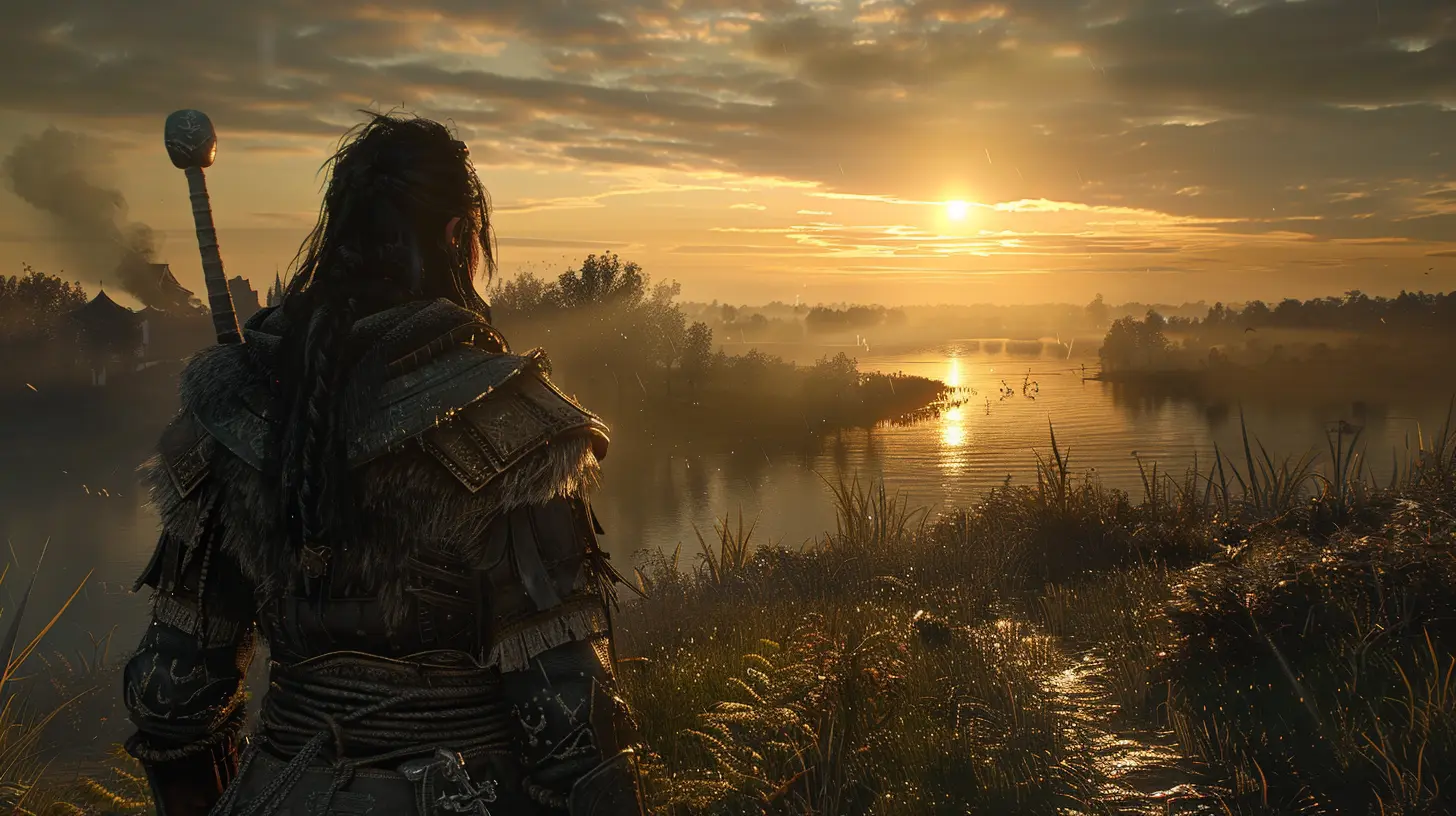
Good vs. Evil – Morality Systems in Games
Let’s admit it—sometimes it’s fun to be bad. And hey, games know that.Many RPGs offer morality systems that split your decisions into light side/dark side or good/evil paths. Games like Fable and Star Wars: Knights of the Old Republic let you walk the line between hero and villain, and the way the world reacts to you changes drastically.
Being good might earn you allies, discounts, or heartfelt cutscenes. Being evil? Well, sometimes it’s just more fun to watch the world burn.
These choices don’t just affect your character’s appearance or reputation—they can unlock or close off entire questlines, alternate endings, and even change your gameplay style (like gaining unique powers or weapons).
Choices That Hit Different – Emotional Consequences
Let’s talk feels.Some games hit you right in the heart with their choice-driven stories. It’s not just about stats or branching paths—it’s about emotional investment.
Take The Walking Dead from Telltale Games. When you’re choosing who lives and who dies, it’s not black and white. You genuinely care about these characters. Your stomach sinks every time you make a tough call, and that’s when you know the developers have done something right.
Story choices here go beyond gameplay. They become morality tests, emotional gut-punches, and reflections of who you are as a player.
You Are What You Choose – Building Your Character
One of the coolest ways story choices impact gameplay is by helping you build your character’s personality.Will you be the noble savior? The ruthless warrior? The sarcastic rogue? How you talk, who you support, and what values you hold—these shape your journey.
Games like Dragon Age and Cyberpunk 2077 allow you to immerse yourself in your character. It’s not just stats on a screen; it’s you making your mark on the world.
Your dialogue choices reflect your inner compass, and NPCs (non-playable characters) will either love you, hate you, or keep you at arm’s length based on that personality you’re crafting.
Multi-Endings – One Game, Many Outcomes
Wanna hear something awesome? Some games don’t just have one ending—they’ve got multiple.And guess what decides which one you get? Yep, your story choices.
Games like Heavy Rain, The Witcher 3, and Life is Strange are prime examples. The road you take and the choices you make shape the end of your journey.
You might see a hopeful conclusion, a tragic farewell, or something shockingly unexpected. The beauty? Each ending feels earned.
You don’t just watch the final scene, you feel it.
Relationships and Romance – Love in the Time of Quick-Time Events
Let’s talk romance! Because hey, love makes everything better—even your zombie apocalypse survival story.Many RPGs and story-rich games let you pursue relationships with other characters. But it’s not just about picking the flirty dialogue. It’s about how you treat them, support them, and, yep, the choices you make.
In Mass Effect, your love interest might stay by your side till the end—or leave you entirely if you break their trust. In Persona 5, your day-to-day choices can grow your bond with select characters, unlocking new abilities and deeper storylines.
Love changes the game. Literally.
Replay Value – Going Back to See What You Missed
Okay, hands up if you've ever finished a game and immediately restarted it to make the opposite decisions. We’ve all been there.One of the biggest reasons story-driven games are so addictive is because they’ve got sky-high replay value. You want to see the alternate dialogue, the different endings, the reactions of people you ticked off (or didn’t) the first time.
Games like Disco Elysium or The Quarry thrive on this replayability. No one playthrough is the “right” one. They’re all part of the experience.
Games That Got It Right – Best Use of Story Choices
Let’s give credit where it’s due. Some games just nail the whole “your choices matter” formula.Here’s a quick list of top-tier titles that really make you feel the weight of your decisions:
- The Witcher 3: Wild Hunt – Complex moral decisions with real consequences.
- Mass Effect Trilogy – Character development shaped entirely by your interactions.
- Life is Strange – Emotionally charged decisions that stick with you long after.
- Detroit: Become Human – Multiple characters, dozens of endings, and deep branching paths.
- Until Dawn – Truly lives up to the butterfly effect to decide who survives the night.
These aren’t just games—they’re experiences, personalized just for you.
Tips to Make the Most of Story Choices
So, how do you really maximize your enjoyment of choice-driven games? Glad you asked:1. Play your way. Don’t just pick what sounds cool—choose based on your gut.
2. Don’t stress over the “best” choice. There’s no wrong path, just different ones.
3. Talk to everyone. Side conversations often unlock hidden choices.
4. Replay later. Try being the opposite of your first playthrough—it’s eye-opening.
5. Live with your decisions. It’s tempting to reload, but sometimes owning your choice makes the experience more meaningful.
Final Thoughts – Your Story, Your Game
When it comes down to it, story choices make games more than just games—they make them personal journeys.Whether you're guiding a hero through moral quandaries, navigating messy relationships, or deciding who lives and who dies, your input shapes the world around you. It turns digital entertainment into emotional, engaging, and endlessly replayable adventures.
So next time you're faced with a choice—whether to save the village or slip away quietly—just remember: it might just be the moment that defines your entire playthrough.
And that, my friend, is the magic of story choices.
all images in this post were generated using AI tools
Category:
Game StorylinesAuthor:

Tayla Warner
Discussion
rate this article
1 comments
Zeno Ford
Story choices can transform gameplay in unexpected ways, making each decision feel impactful. It's fascinating how a simple choice can lead to entirely different outcomes, enhancing immersion and replayability in games. This really adds depth to the experience.
July 16, 2026 at 2:36 PM
Tayla Warner
Absolutely. The weight of each decision truly shapes the journey, making every playthrough unique and engaging. It's what makes storytelling in games so powerful.