How Save Points Shaped Game Design
9 August 2026
Let’s rewind the clock a bit—back to a time when your only lifeline in a game wasn’t an autosave or a quick save button, but a shiny glowing orb, a typewriter, or a magical statue. Yes, we're talking about save points—those trusty (sometimes elusive) checkpoints that became lifelines, teachers, and tormentors rolled into one.
In today's age of cloud saves and autosaves, it's easy to take for granted how far we’ve come. But those quirky little save points had a massive impact on the way games were built, played, and felt. So grab a health potion, sit tight, and journey with me through pixelated pasts and retro realities to see how save points shaped the very essence of game design.
The Origins of Save Points: A Pixelated Necessity
Before the days of 100GB patches and sprawling open worlds, games were simpler—but also much, much less forgiving. Early arcade games like Pac-Man and Donkey Kong? No saves. You die, you start over. Brutal.But as home consoles took over, developers had to think long-term. Games were getting longer, players were sinking more time into them, and nobody wanted to restart from scratch every single time. That’s when save points made their debut.
They started off pretty primitively—passwords scribbled on a notepad, cartridge-based memory saves on titles like The Legend of Zelda, and eventually, physical save points in-world like Final Fantasy's crystal circles or Resident Evil's iconic typewriters.
These weren't just mechanical—you actually had to find them. And their placement had big implications.
Save Points and the Art of Tension
Here’s a truth bomb: Save points weren’t just about saving progress. They were about building suspense.Think about it. You’re deep into a creepy mansion in Resident Evil, low on ammo, health hanging by a thread, and your last save was over 30 nerve-wracking minutes ago. You’re not just playing the game anymore—you’re feeling it.
That’s the magic. Developers intentionally spaced save points to heighten tension. They weren’t just checkpoints; they were psychological hurdles. No auto-save to bail you out. If you died, you'd lose progress—and that fear pushed you to play smarter.
Games like Demon’s Souls and Dark Souls built entire fanbases around this idea. You had to fight tooth and nail to reach that next bonfire. And when you did? Sweet, sweet relief. Better than three scoops of ice cream on a summer day.
Teaching Through Repetition: The Save Point Learning Loop
Failing and retrying became part of the gameplay loop.Let’s say you fought a boss and lost. You’d respawn at your last save point. Annoying? Maybe. But also educational. You learned what didn’t work, adjusted your tactics, and tried again. Save points were your classroom, and failure your homework.
This trial-and-error learning method is something modern games often shy away from. With autosaves and multiple checkpoints, there's less friction—but also less growth. Save points taught us resilience. They made that final victory taste earned, like brewing your own coffee instead of grabbing a latte from a drive-thru.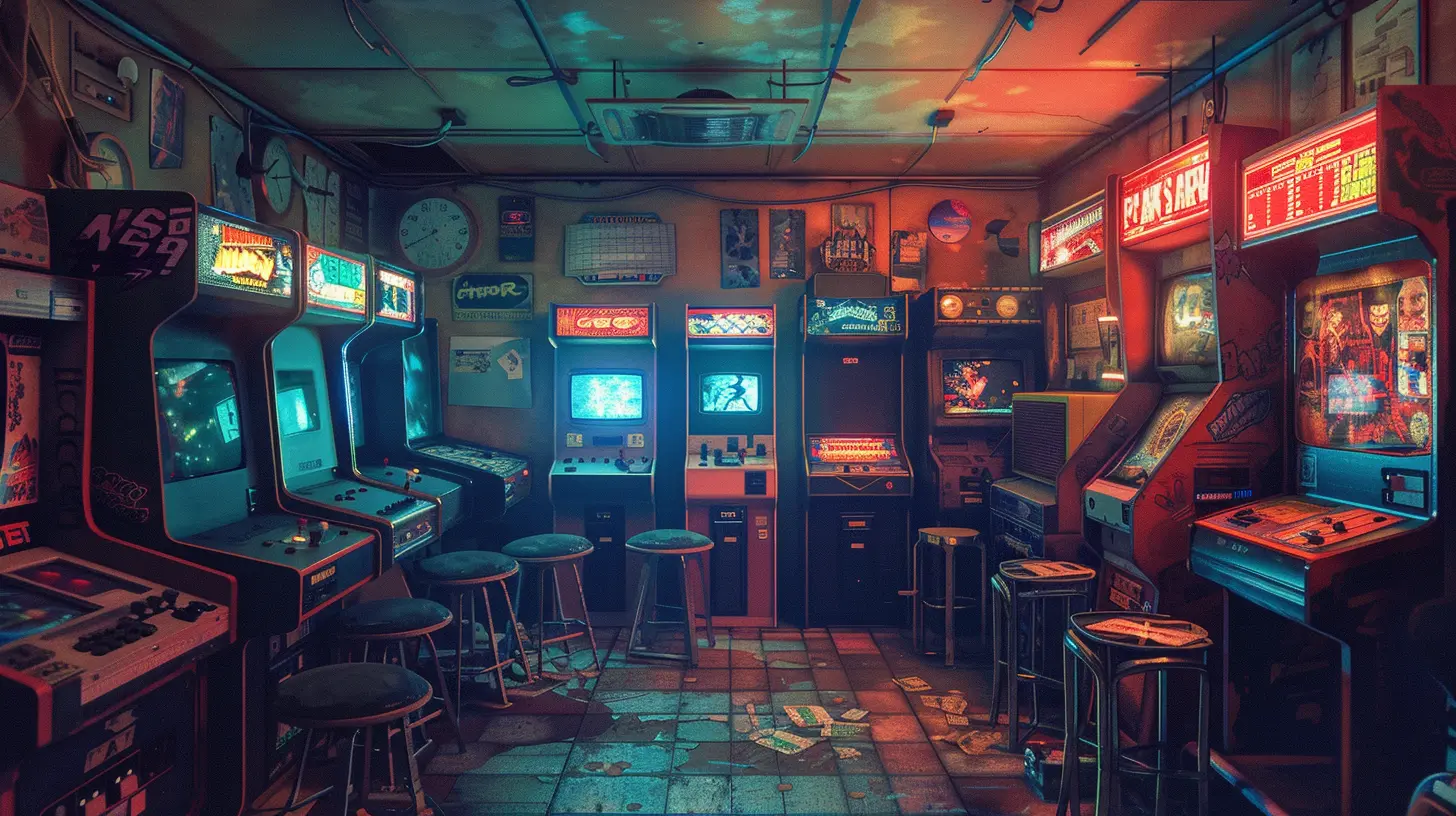
Save Points as Pacing Tools
Another way save points shaped game design? Pacing.Game designers used save points to guide players through tension and release. Sort of like breathing in music—moments of intensity followed by calm. You’d plow through a dungeon, low on everything, heart pounding, and then—bam! A save point. It felt like you’d found an oasis in a desert.
This controlled pacing allowed developers to design levels with spikes in difficulty, knowing players had moments of respite.
Imagine binge-watching a Netflix series with no "Next Episode" button. Wouldn’t feel as smooth, right? Save points were the original binge-stoppers—signals to take a break, rest your thumbs, and maybe get a snack.
Storytelling Through Save Points
Some save points told stories of their own.In Final Fantasy X, save spheres weren’t just mechanical—they tied into the world’s lore. In Resident Evil, saving required ink ribbons, which were limited. That added a whole new layer of decision-making. Do you save now or risk going further and maybe losing progress if you die?
These weren’t just checkpoints. They were narrative devices.
Putting a save point before a boss hinted something big was coming. Having none for an hour meant you were venturing deep into the unknown. Save points were quiet storytellers, whispering warnings or promises ahead.
The Evolution Into Auto-Save and Save Scumming
Eventually, technology caught up to our frustrations. Enter: autosaves, quick saves, and save-anywhere systems.Convenient? Heck yeah. But we lost a little something too.
Older gamers will tell you—“Back in my day, you had to walk uphill both ways… in a lava level… with no save for miles!” But they’re not just being cranky. Save points forced us to commit. To live with our choices. No redo button if you botched a dialogue choice or misused a potion.
With quick saves came the dark art of save scumming—saving every few seconds and reloading until you get the perfect outcome. Fun for some? Sure. But it removes challenge and spontaneity. It turns a knife-edge thriller into a carefully rehearsed stage play.
How Save Points Encouraged Good Design
Here’s a big one: save points kept developers honest.When you can’t rely on players saving every time they blink, you’ve got to design levels that feel fair. If a player loses 30 minutes of progress, they better feel it’s their fault—not because a cheap enemy popped out of nowhere.
This pushed developers to craft balanced encounters, logical level layouts, and memorable set pieces. Save points kept the design tight. Games weren’t padded with fluff—they were laser-focused experiences.
Save Points Influenced How We Remember Games
Think about your most intense gaming memories. Chances are, they revolved around narrow escapes, desperate battles, and that heart-thudding sprint to the next save point.Games like Metroid, Castlevania: Symphony of the Night, and Silent Hill stuck with us because they made us feel vulnerable. We weren’t just beating baddies—we were surviving the level designer’s twisted imagination. Like running through an obstacle course blindfolded, hoping the finish line is just around the corner.
These moments etched themselves into our gaming DNA because they were tied to risk and reward. That little save point? It wasn’t just a checkpoint—it was a trophy, a reward for grit.
Save Points in Modern Games: Nostalgia or Nuisance?
Some modern titles bring back save points—not out of necessity, but nostalgia. It's like vinyl records coming back—retro with a purpose.Games like Celeste, Hollow Knight, and Dead Cells use modified versions of save points to preserve that old-school charm while balancing frustration. They blend convenience with challenge. It’s a shoutout to the OG games, but with modern flair.
Some games even let you choose—autosave for casual runs or save points for purists. Developers are realizing that save mechanics can be part of the difficulty sliders. And that’s kind of genius.
The Psychology of Progress: Why Save Points Matter
There’s something deeply satisfying about earning your progress.A visible save icon every five minutes feels sterile. But reaching a physical save point? That’s tangible. That’s achievement. You’ve earned that glowing checkpoint with sweat, skill, and maybe a few rage-quits.
Save points make progress feel real. They turn digital milestones into emotional moments. They're like planting a flag after climbing a mountain.
Conclusion: The Unexpected Power of the Humble Save Point
So, what started as a technical workaround turned into one of the most impactful tools in game design. From pacing and player education to narrative twists and emotional highs, save points were never just about saving—they were about living the journey.They made failure meaningful and success satisfying. They taught us patience, resilience, and strategy. And even as autosaves take the spotlight today, we’ll always tip our hat to those glowing crystals, silent typewriters, and mysterious altars that watched over us like digital guardian angels.
So next time you save your game, pause for a second. Think about how that one tiny feature reshaped entire generations of gameplay. Pretty wild, huh?
all images in this post were generated using AI tools
Category:
Gaming NostalgiaAuthor:

Tayla Warner