How Handheld Consoles Changed the Schoolyard
26 May 2026
Remember when the school bell rang, and instead of racing to the monkey bars, we’d huddle around the kid who brought their Game Boy? Handheld consoles didn’t just alter the gaming industry—they flipped the entire schoolyard experience on its head.
Once upon a time, playgrounds were filled with tag, four square, and secret club meetings. Then, one day, video games broke free from the living room and landed right into our backpacks. That moment? It changed everything.
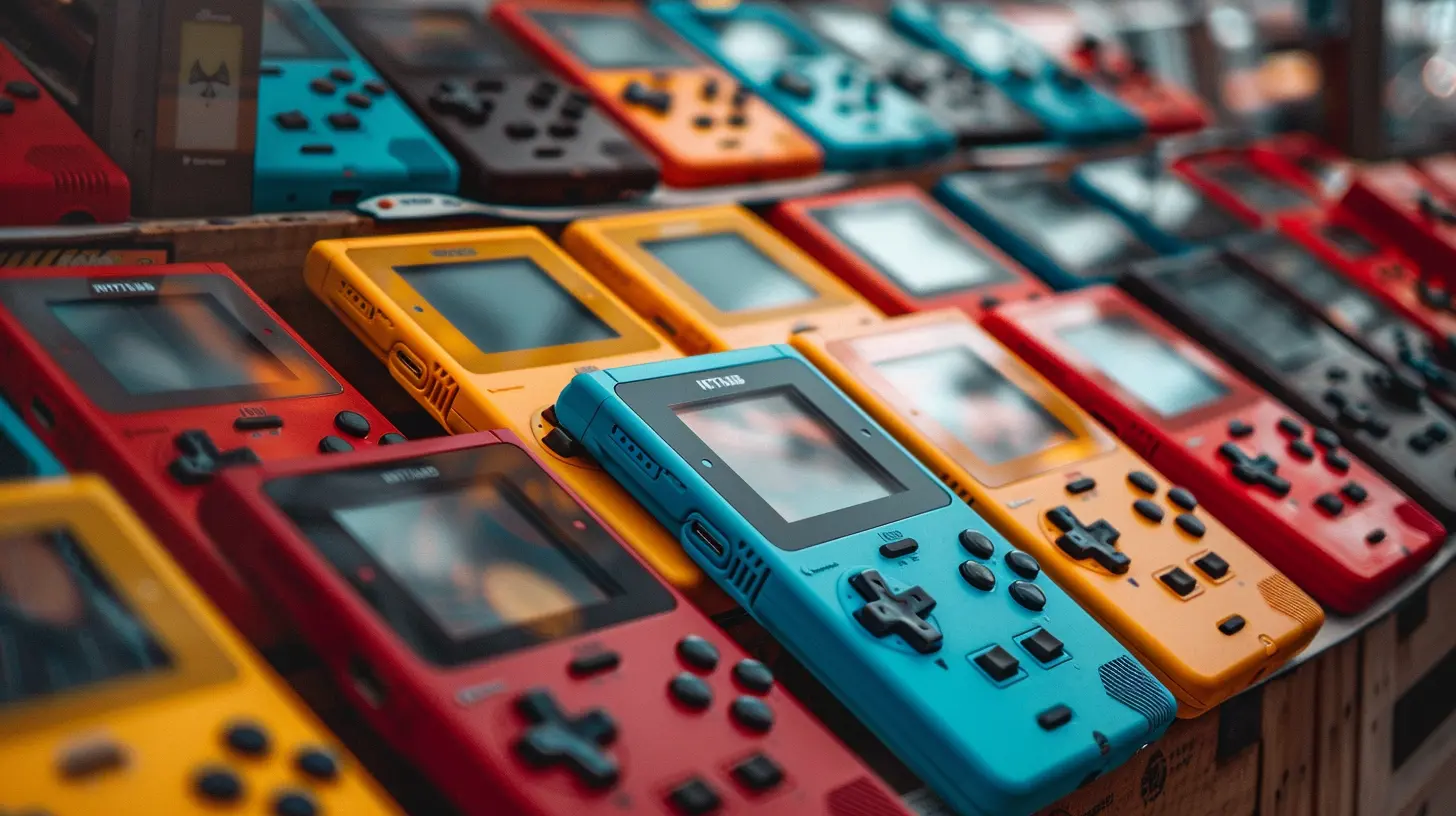
The Rise of Handheld Gaming: A Pocket-Sized Revolution
Let’s rewind to the late '80s and early '90s. The original Game Boy made its debut in 1989, and it was a game-changer—literally. Suddenly, games weren’t tied to the couch or the TV. You could battle enemies, collect coins, or solve puzzles whenever and wherever you wanted.Think about it: a whole arcade... in your pocket. No longer did fun have to wait until after homework. If you had batteries and a few spare minutes during recess, you were golden.
From Hide-and-Seek to Link Cables and Pokémon Trades
It wasn’t just convenient, it was social. Remember sitting in the shade with a friend, connecting your Game Boys with a link cable to trade Pokémon? That little cable was more than just a technical tool—it was a lifeline between friendships.Suddenly, schoolyard games weren’t only about running around. They were about who had which Pokémon, who caught Mewtwo, and who finally beat the Elite Four. Word traveled fast through classrooms like wildfire. Even kids who weren't huge gamers were talking about it.
The Social Shift: New Playground Hierarchies
Handheld consoles created their own kind of status symbol. If you had the latest Game Boy Color or could boast about your shiny Charizard, you were instantly part of a new kind of cool club.Let’s be real: there was always that one kid with every new release. When the PSP came out? They were the celebrity of the lunch table. Suddenly, the question wasn't "Wanna play tag?" but "What games do you have?"
Recess Reimagined: How Handheld Consoles Took Over
Before handhelds, the playground was ruled by physical games. Dodgeball, jumping rope, tetherball—you get the idea. But when handheld gaming blew up, so did the idea of what recess could be.Now, instead of burning calories, kids were burning batteries. Sitting in circles, showing off tricks in Tony Hawk's Pro Skater or beating the latest levels in Super Mario Advance became the new norm.
Not Just for Fun—A Gateway to Tech Savvy
We have to give credit where it’s due. These little devices weren’t just entertaining—they taught us stuff, too.Ever tried changing the language setting on a Japanese import copy of Fire Emblem? You learned fast. Plus, storing save files, troubleshooting battery issues, hacking for unlockables—these were early lessons in problem-solving, patience, and even basic tech skills.
Who knew gaming would give us a jumpstart in navigating digital devices?
The Double-Edged Sword: Distraction or New Social Tool?
Not everyone was thrilled about the shift. Teachers? Not huge fans. And understandably so. When test time came and someone was caught playing in their desk? Yeah, that never ended well.Handhelds became the ultimate distraction. Homework took a hit. So did attention spans—at least temporarily. But here’s the flip side: they also became social connectors. Kids who maybe didn’t quite fit in before found common ground through games.
It was more than just entertainment. It was also empowerment. Having a handheld gave kids something to share, talk about, and connect through.
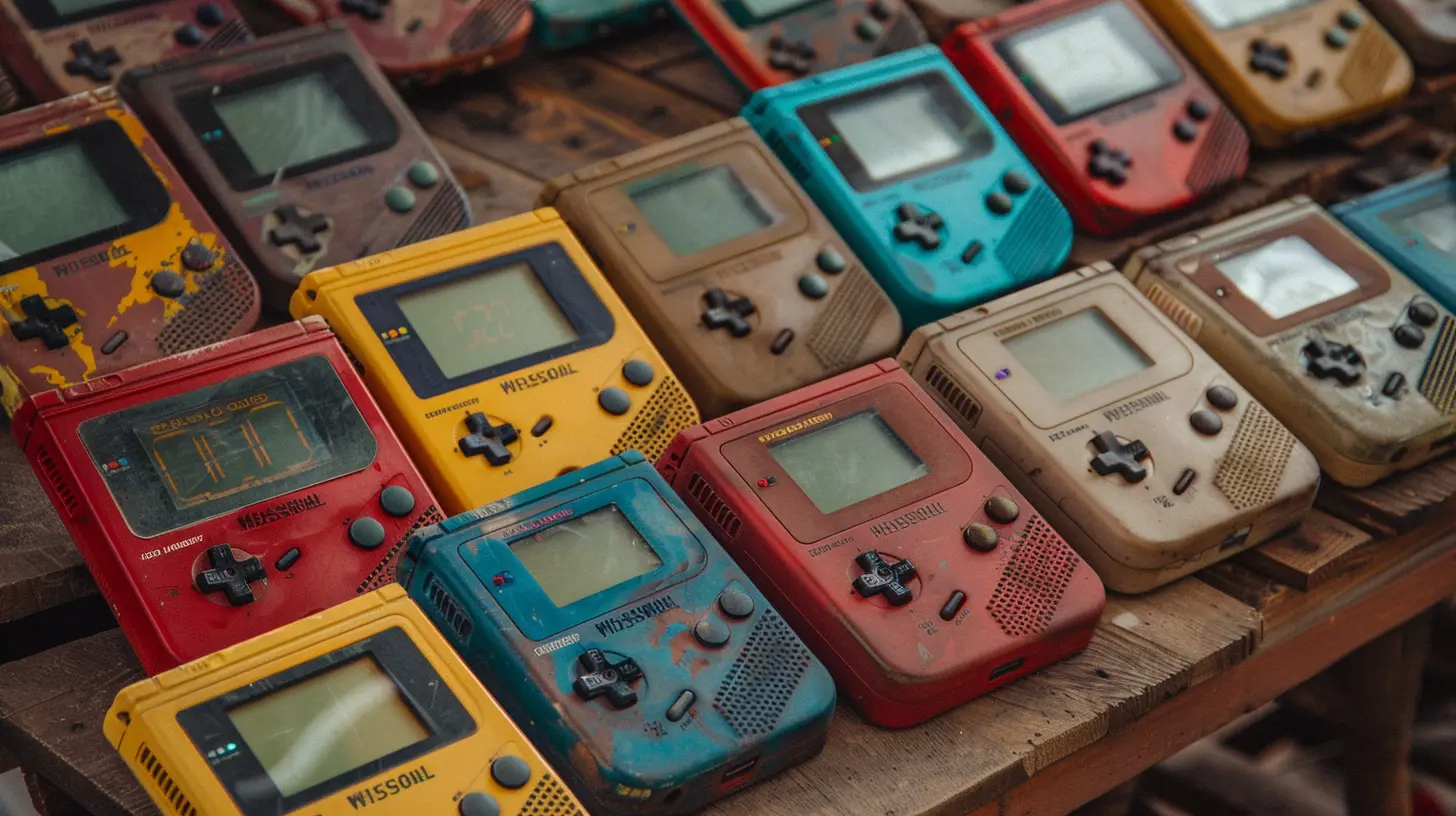
Generational Transitions: From Game Boy to Nintendo Switch
So, how did this whole handheld journey evolve over time? Let’s look at the timeline:- Game Boy (1989): The OG. Basic screen, chunky design, and a total battery guzzler—but we loved it. Tetris was king.
- Game Boy Color (1998): Finally, COLOR! Now Pikachu looked like Pikachu.
- Game Boy Advance (2001): Smoother graphics and sleeker design. More multiplayer = more friends.
- PSP (2004): Sony’s sleek, mature handheld. It played music, movies, and had console-quality games. Suddenly, handhelds weren’t just for kids.
- Nintendo DS (2004): Double screens, stylus, chat features—it was a bold move that totally paid off.
- Nintendo 3DS and PS Vita: Pushing boundaries with 3D graphics, downloadable games, and wireless play.
- Nintendo Switch (2017): A true hybrid. The line between handheld and home console? Blurred forever. And the schoolyard? Forever changed.
A New Era of Schoolyard Play
With the Switch in students’ backpacks, gaming on the go is now richer, more collaborative, and more immersive. Multiplayer Mario Kart matches during lunch? Absolutely. Sharing Joy-Cons with a friend for a quick round of Super Smash Bros.? It’s the new lunchroom bonding ritual.Bringing Everyone Together—No Console Left Behind
One of the best parts of handheld gaming is its inclusivity. You didn’t need the biggest TV or the best controller setup. As long as you had your console, you were good to go.And even better? You didn’t need to be a pro. Whether you were grinding in Pokémon or just casually playing Nintendogs, there was a space for everyone.
It helped blur the lines between different groups of kids—athletes, quiet ones, straight-A students, even the “too cool for games” crowd had their guilty pleasures.
Suddenly, the schoolyard felt more connected than divided.
Nostalgia Hits Hard: Why We Still Love Handhelds
Flash forward to today, and there’s a reason why the retro gaming market is booming. Those early handhelds? They were more than just toys. They were memories. They were companionship during the bus ride. They were our first taste of adventure, independence, and imagination.Sure, today’s mobile games are everywhere, but handheld consoles? They had heart. They had buttons you could mash, cartridges you had to blow on, and screens barely visible in sunlight. You had to work for your fun. And maybe that’s why it meant more.
Plus, let’s be honest—how many of us still have our old Game Boys tucked away in a drawer for “sentimental reasons”?
Did Handhelds Replace Outdoor Play?
So, here’s the big question: did handheld consoles kill traditional playground games?Short answer? Nope.
They definitely changed things, no doubt. But instead of replacing play, they just added more variety. Some kids still kicked soccer balls while others cracked open their DS for a quick match. The beauty was in the choice.
Handheld gaming didn’t erase the schoolyard; it just made it more dynamic. More inclusive. More imaginative.
The Legacy Lives On
Now with cloud saves, downloadable content, and cross-platform play, handheld gaming today is lightyears ahead of where it all started. But the spirit that took over the schoolyard in the '90s? It’s still around.Whether it’s a Switch in your bag, a mobile emulator on your phone, or even picking up an old Game Boy for nostalgia’s sake—handheld gaming keeps going strong.
It all started with a chunky little console and a few batteries. And from that moment on, the playground was never the same.
all images in this post were generated using AI tools
Category:
Gaming NostalgiaAuthor:

Tayla Warner
Discussion
rate this article
1 comments
Dominic Williams
Handheld consoles turned recess into a mini arcade. Instead of trading snacks, kids now swap high scores. Who knew Sonic and Mario would steal more lunch breaks than any bully?
June 7, 2026 at 3:48 AM
Tayla Warner
It's wild to think how gaming transformed recess into a high-score battleground. Sonic and Mario really did change the schoolyard dynamic, didn't they?