How Great Storytelling Elevated These Games to Iconic Status
2 August 2026
What makes a video game unforgettable?
Sure, graphics wow us. Gameplay keeps us hooked. But storytelling? That’s the heartbeat. It’s the soul of a game—the thing that turns a few hours of playtime into a lifelong memory. From emotional rollercoasters to jaw-dropping plot twists, great storytelling in games has the power to move us, inspire us, and sometimes even wreck us emotionally.
Let’s dive into how great storytelling elevated certain games from mere entertainment to full-blown cultural phenomena.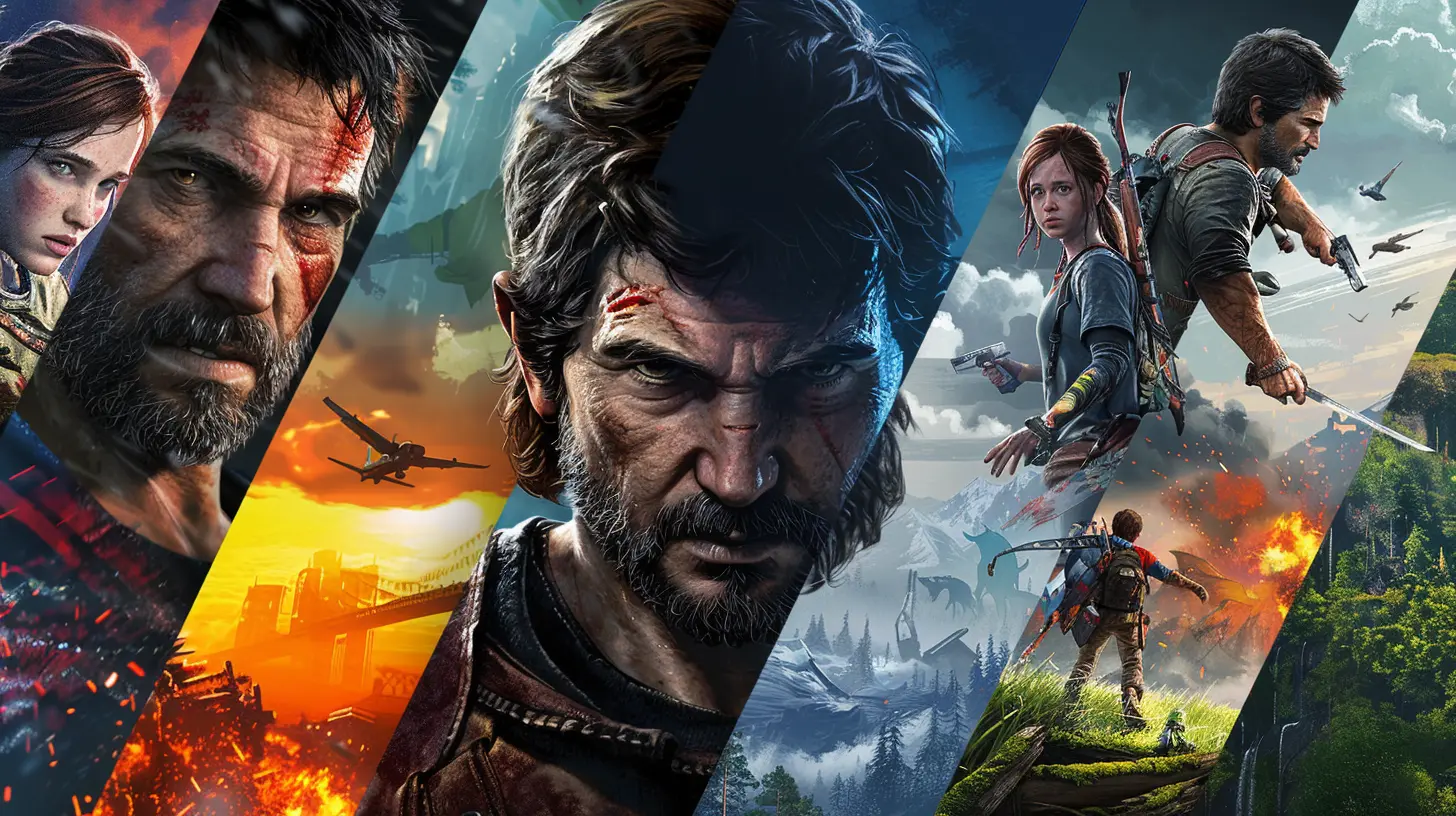
Why Storytelling in Games Really Matters
Before we get into the games themselves, let’s clear something up: storytelling in video games isn’t just about flashy cutscenes or dramatic voiceovers. It’s about creating worlds you live in, characters you care about, and choices that make your heart race.Think of a game’s story like the brain behind the brawn. It gives context to your missions, meaning to your actions, and weight to your decisions. It’s what makes you say, “Just one more quest,” at 3 a.m.
So, why does storytelling matter? Because it's the difference between playing a game and living an adventure.
The Last of Us: Emotional Gut-Punch Wrapped in Survival
Let’s kick things off with a modern masterpiece — The Last of Us.Set in a post-apocalyptic world crawling with infected creatures, this game could've just been another zombie shooter. But what makes it iconic is the deeply moving narrative between Joel and Ellie, two lost souls trying to survive.
Their journey isn’t just about staying alive. It’s about healing, trust, sacrifice, and the gray areas of morality.
The dialogue? Natural as heck. The pacing? Perfectly balanced. And the ending? Oh man. That ending sticks with you, like a scar you keep touching just to feel something.
The storytelling here isn't just told — it's felt. The Last of Us made players cry, reflect, and question what it means to be human. That’s the power of good writing.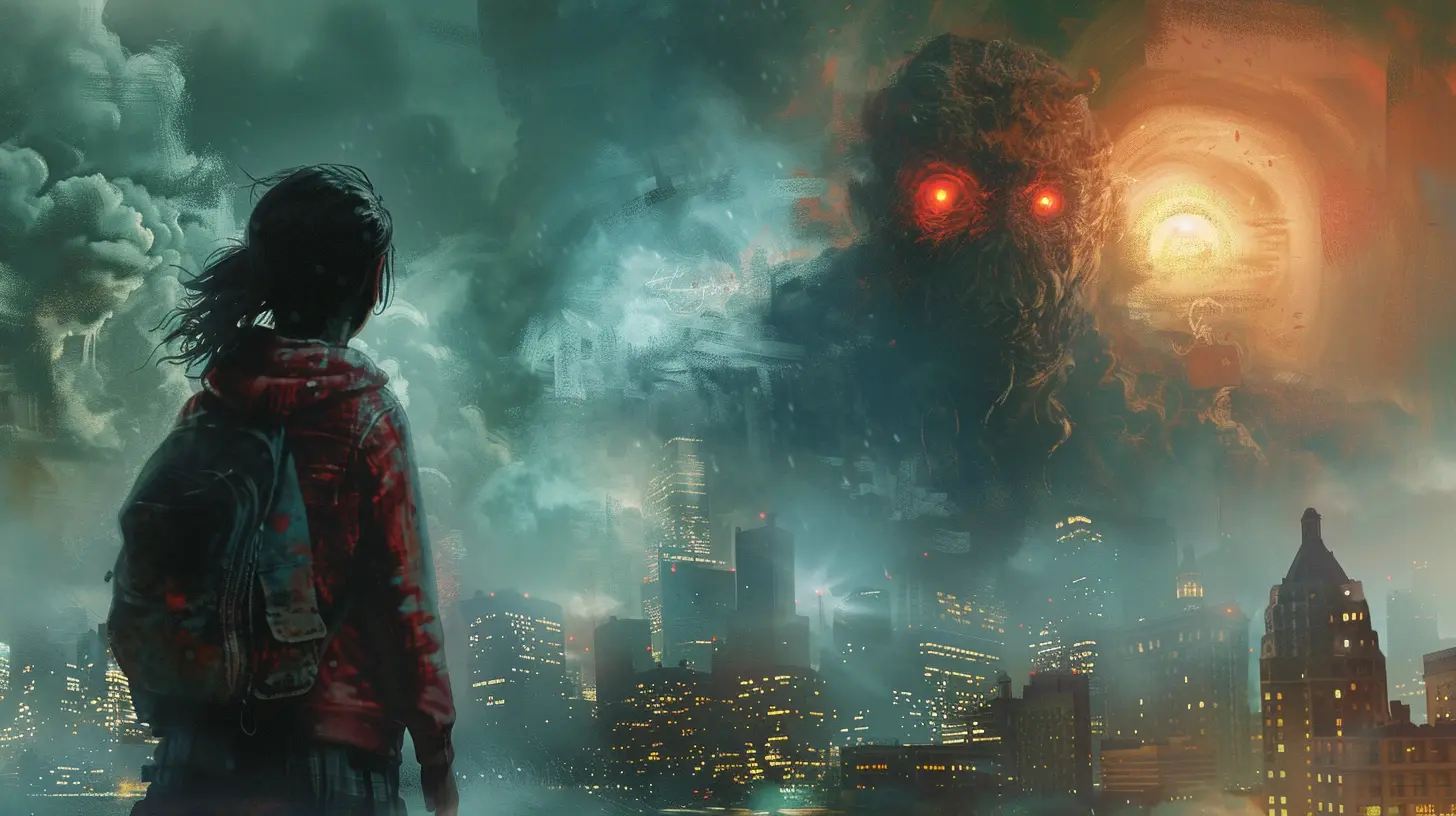
Red Dead Redemption 2: An American Tragedy
This one’s a slow burn — and that's by design.Red Dead Redemption 2 doesn’t rush anything. Like reading a classic novel, you settle into its world, living the life of Arthur Morgan, a rugged outlaw with a surprisingly poetic soul.
What sets this game apart is its character development. Arthur starts off as a loyal thug, but as the story unfolds, he becomes one of gaming’s most beloved protagonists.
The story is both personal and epic, as it captures the fall of the Wild West and the internal struggle of a man seeking redemption. Every choice, every letter, every haunting sunset adds to the game’s emotional weight.
By the end, you don’t just complete a story — you live it. And man, it hits hard.
BioShock: Philosophy Meets First-Person Shooter
Would you kindly read this section? If that line just gave you chills, you know BioShock did something special.Set in the underwater dystopia of Rapture, BioShock combines thrilling gameplay with deep philosophical themes like free will, objectivism, and the morality of science.
The twist? Absolute genius. It redefines everything you've done in the game—and challenges how you think about player agency.
You’re not just shooting enemies and looting items. You’re diving deep into what it means to be free… or manipulated. BioShock doesn't just tell a story — it makes you question it.
Mass Effect Series: Your Choices, Your Universe
What if your decisions could shake the stars?That’s exactly what the Mass Effect series delivered. As Commander Shepard, you're tasked with saving the galaxy from the Reapers, but how you go about it? That’s entirely up to you.
Want to play as a kind-hearted hero or a ruthless renegade? You decide. Want to romance your shipmate or stay devoted to your mission? Again, you control the story.
It’s this freedom, combined with strong writing and deep lore, that makes Mass Effect iconic. Your squadmates have backstories, dreams, and personalities. Losing one of them? It hurts more than some TV show cliffhangers.
By the time you reach the finale, every decision feels personal — because it is.
The Legend of Zelda: Breath of the Wild — A Quiet, Poetic Tale
Sometimes, the best stories are the ones that whisper, not shout.Breath of the Wild might not bombard you with cutscenes or exposition, but its storytelling lives in its silence. In the ruins of Hyrule, every broken structure, every forgotten forest, tells you something.
Link, though mostly mute, conveys emotional depth through his actions. And Zelda? Her diary entries and flashbacks reveal a princess burdened with expectations and desperate to protect her people.
The game lets you piece the story together at your own pace. It trusts you to explore, discover, and feel the quiet melancholy of a kingdom lost to time.
It’s subtle, but powerful—the kind of storytelling that’s felt rather than told.
God of War (2018): From Rage to Fatherhood
Remember Kratos, the raging Spartan who tore through Greek gods like tissue paper?Now imagine him older, wiser, and trying to be a father.
God of War (2018) reinvented not just a character, but the entire tone of a franchise. Instead of constant carnage, we got moments of vulnerability, heart-to-hearts, and a deep father-son bond.
Atreus, Kratos’ son, isn’t just a sidekick. He’s central to the story, challenging Kratos emotionally and spiritually. You’re not just pushing buttons — you’re shaping a relationship.
The Norse mythology backdrop adds layers upon layers of lore and meaning, but it’s the personal journey that truly resonates.
Who knew that the Ghost of Sparta had this much emotional depth?
Life is Strange: Butterfly Effects in Small Town Drama
Who said you need guns or dragons to tell a compelling story?Life is Strange is proof that everyday life — teenage friendships, secrets, regrets — can be just as powerful. Add a dash of time-travel, and you’ve got a gripping narrative that pulls you in from the first episode.
You play as Max, a photography student who discovers she can rewind time. With this power, you tackle everything from school drama to earth-shattering events.
But the heart of the story? The bond between Max and Chloe. It’s real. Raw. Messy. Just like life.
The choices you make carry emotional weight, and the butterfly effect mechanic means there’s no easy path. Each decision haunts you — in the best way.
Heavy Rain: The Art of Interactive Drama
This game was ahead of its time.Heavy Rain doesn’t mess around. It throws you into a dark, emotional thriller where your choices decide who lives and who dies. Literally.
There’s no traditional game-over. Your decisions permanently shape the outcome. Whether you play as a grieving father, a determined journalist, or a haunted detective, the story adapts to you.
The game plays like a movie, but it feels like real life—with consequences that matter. It’s edgy, emotional, and full of “What would I do?” moral dilemmas.
Sure, the controls were a bit clunky. But the storytelling? Chef’s kiss.
Undertale: Subverting Expectations with Heart
On the surface, Undertale looks like a simple, pixelated RPG. But under that retro hood? One of the most innovative storytelling experiences in gaming history.Here’s the twist: You can complete the game without killing anyone. And the story remembers what you’ve done. The game breaks the fourth wall, references your past actions, and even gets a little creepy when you least expect it.
The writing is a delicate dance between humor, horror, and heart. From the hilarious Sans to the lovable Papyrus, every character shines.
The real genius? The way it makes you confront your own morals. Can you really walk away from a game where every life matters?
What Do All These Games Have in Common?
Let’s step back for a sec.These games differ in genre, style, and gameplay. Some are quiet and introspective. Others are loud and chaotic. But they all share one thing: They tell incredible stories that stay with you long after you’ve put down the controller.
And that’s not by accident.
These stories are crafted with intention. They respect the player’s intelligence. And most importantly, they make us feel.
Final Thoughts: Storytelling Is the Soul of Gaming
Gameplay, graphics, and mechanics are all essential, no doubt. But storytelling? That’s the magic.It’s what turns good games into great ones. And great games into iconic legends.
Next time you pick up a controller, pay attention to the story. Listen to the characters. Feel the world. Because when the story hits just right — it’s not just a game anymore.
It’s an experience.
all images in this post were generated using AI tools
Category:
Game StorylinesAuthor:

Tayla Warner