How Backstory Enhances Gameplay Immersion
17 August 2026
Ever found yourself glued to a game not because of flashy graphics or intense action, but because the world just felt... real? You weren’t just playing a game—you were living in that universe. That, my friend, is the magic of a well-crafted backstory. It's the silent architect building the bridge between the player and the digital world. In this article, we’re diving deep into how backstory enhances gameplay immersion and why it matters more than you'd think.
What Is a Backstory in Games, Anyway?
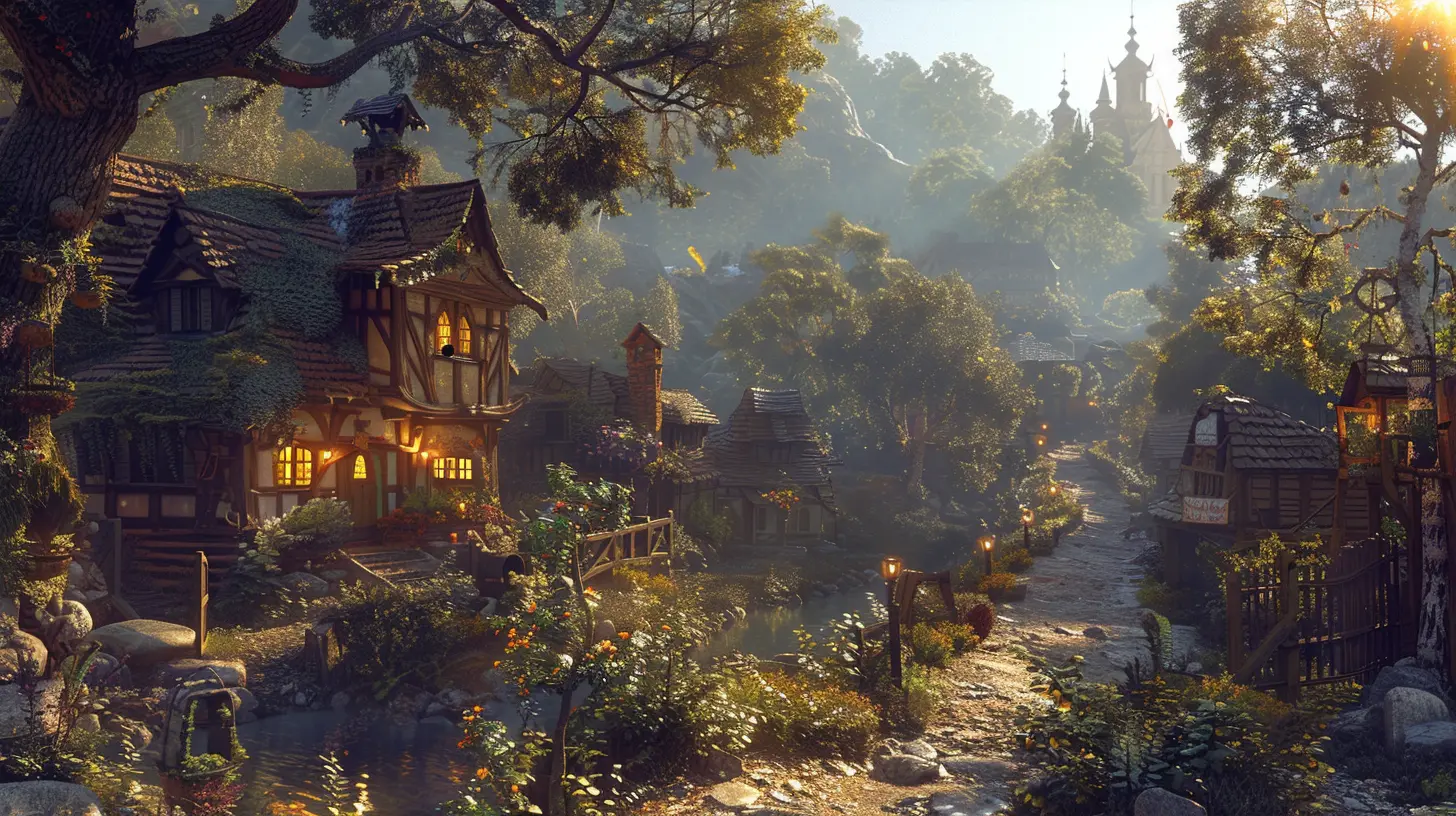
Let’s start with the basics. A backstory is essentially the lore, history, or narrative foundation behind characters, settings, and events in a game. Think of it as the DNA of the game world. It tells us why things are the way they are—why that kingdom is at war, why the protagonist carries emotional baggage, or why an ancient ruin matters.But it’s not just there for flavor. When done right, a backstory gives context to your quests, meaning to your choices, and depth to your character. It's like the backbeat in your favorite song—you don’t always notice it, but take it away and the whole thing falls apart.
The Psychology Behind Immersion
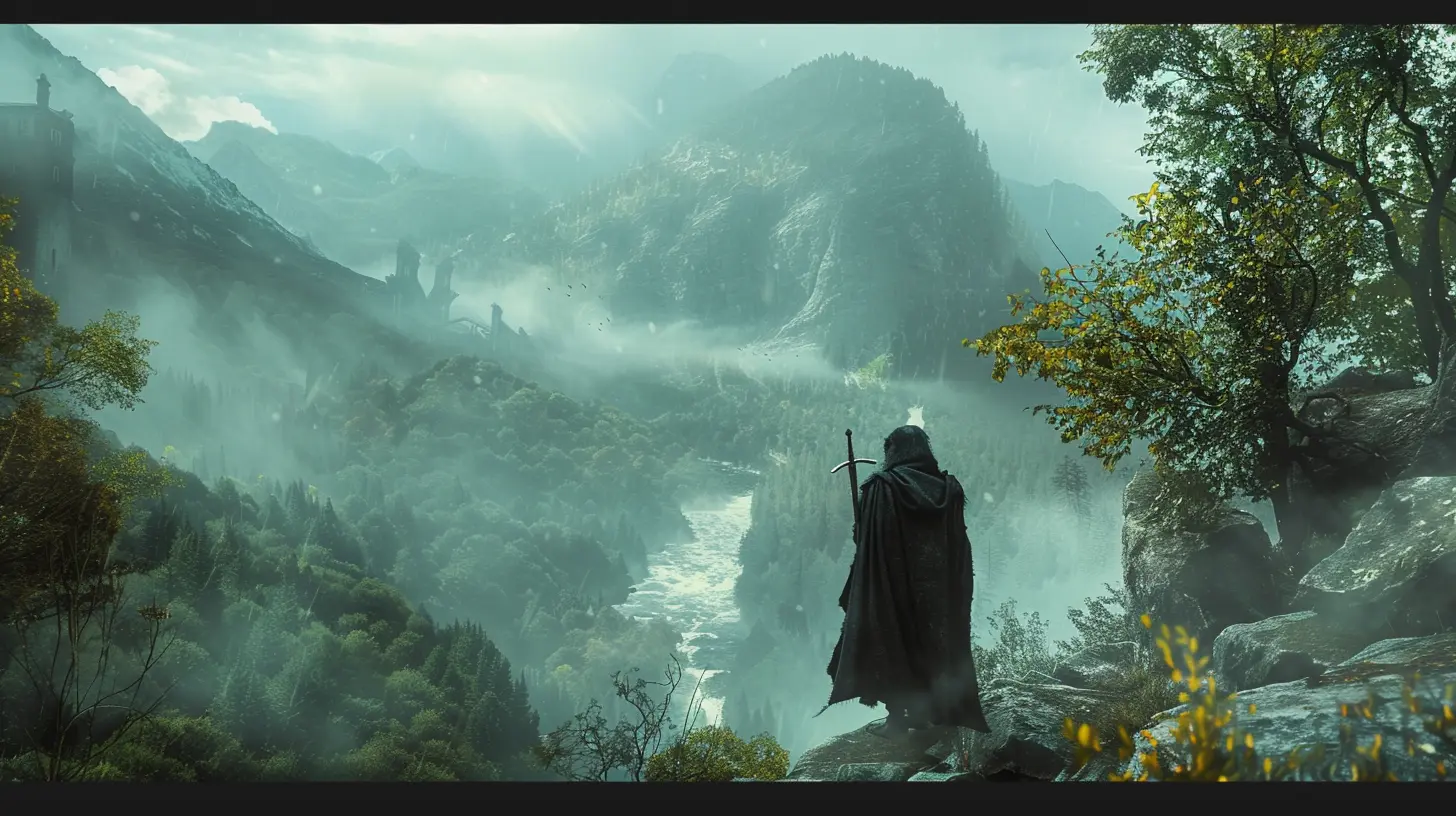
Let’s throw a little psychology spice into this. Immersion in gaming is that sweet spot where you forget you're holding a controller or tapping a keyboard. You’re just… there.Now, what’s actually happening? Your brain is buying into the fantasy because it feels believable. And believable worlds are built on rules, history, and familiarity—all the stuff that comes from backstory. When a game drips narrative breadcrumbs that feel coherent and compelling, your brain rewards you with that deeper connection. It’s storytelling with a joystick.
Backstory Turns Gameplay into Purpose
Without backstory, you’re just smashing buttons. With backstory? You’re avenging a fallen comrade, preserving a magical realm, or maybe even becoming the villain in your own tragic arc. That purpose transforms objectives into motivations. You don’t just want to finish the mission—you need to. Because you care.Take The Witcher 3, for example. You’re not just fighting monsters. You’re Geralt—a gruff, morally complex monster slayer with a tangled past. You make decisions for him not just because of gameplay utility, but because you understand who he is and what he stands for.
That’s the essence of immersion through backstory.
Characters With Rich Pasts Feel Real
Characters don’t just pop into existence. The memorable ones come with scars, secrets, and stories. And it's that depth that makes us connect.In games like Red Dead Redemption 2, Arthur Morgan isn’t some cookie-cutter cowboy. His past haunts him, shapes his decisions, and ultimately defines how players feel about the choices they make. We cry, cheer, or rage not because the mechanics have changed, but because we’ve grown attached. And we're only attached because we know who he is and, more importantly, why he is the way he is.
A good character backstory acts like gravity—pulling us in emotionally, anchoring us to their journey.
The World Itself Comes Alive
Let’s get world-building for a sec. Ever walked into a town in a game and just felt… curious? Like, who built this place? What happened here?That’s no accident. Backstory doesn’t only apply to characters—it’s just as crucial for the setting. When game devs craft a world with history, politics, culture, and long-forgotten legends, they create a sandbox that feels lived-in.
Elder Scrolls and Dark Souls absolutely nail this. The lore isn't spoon-fed; it’s layered into every stone, scroll, and worn-down sword. You feel the passage of time, the rise and fall of empires, and the echoes of tragedies long past. That’s real immersion—when a game world feels like it has existed long before you arrived and will continue long after you’re gone.
Player Agency Becomes More Impactful
Here’s where it gets juicy. Backstory doesn't just enrich—it empowers. When your character has a well-defined past, and the world has layers of history, your decisions suddenly carry weight.In BioShock, you’re not randomly picking between helping or harvesting Little Sisters. That moral choice hits harder because of the twisted philosophy the game’s world was built upon. You’re not just making decisions—you’re grappling with ideologies, legacies, and consequences. That philosophical tug-of-war? It only works because the backstory set the stage.
It Elevates Replay Value
Ever played a game again just to make different story choices and see what would happen? That’s replay value driven by narrative depth. If a game has a shallow backstory, once you beat it, there’s not much incentive to return. But if the backstory is rich and layered, each playthrough offers a new perspective.Mass Effect is a gold standard here. The lore of the alien races, the legacy of the Reapers, your own Commander Shepard’s personal history—it’s all up for reinterpretation. Different choices reveal different layers of the story. One moment you're a paragon diplomat; the next, a ruthless renegade. Each version feels legitimate because the backstory flexes to support it.
Let’s Talk Multiplayer—Yes, Backstory Matters There Too!
Now, you might be thinking, “All this makes sense for single-player games with deep narratives, but what about multiplayer?” Fair point. But here’s the twist—backstory still matters.Take Overwatch. It’s a team-based shooter, yet each hero comes with a fleshed-out backstory. You know who they are, what drives them, and how their stories intersect. Suddenly, a simple game of capture-the-point becomes a colorful clash of personalities. The community thrives on these stories—fan fiction, art, and roleplay explode because there's something to chew on besides combat stats.
Even in MMOs like Final Fantasy XIV, guilds and factions aren’t just gameplay mechanics—they’re narrative institutions shaped by rich histories. When players roleplay or choose factions, it's the backstory guiding those decisions.
Games That Nail It
Let’s do a rapid-fire round of games that just get how to use backstory to elevate immersion:- The Witcher 3: Political intrigue, monster lore, and personal relationships all wrapped into one.
- Red Dead Redemption 2: A tragic Western opera carried by its characters’ complex histories.
- Mass Effect Trilogy: Choice-driven space opera with lore that rivals actual sci-fi novels.
- Dark Souls: World-building through silence, mystery, and ancient tragedy.
- Horizon Zero Dawn: A unique blend of tribal life and sci-fi, with a backstory that's slowly, deliciously revealed.
These games succeed because their backstories aren’t background noise—they’re the foundation.
Tips for Game Developers: Crafting Immersive Backstories
Alright devs, if you're looking to level up your narrative game, here are a few quick tips:1. Start With the World – Build the setting’s history before building gameplay mechanics. The world should feel old, even if it’s set in the future.
2. Make It Personal – Give characters motivations tied to their pasts. Players should feel like their character existed before the “Start Game” prompt.
3. Layer It In – Don’t drop a lore bomb all at once. Spread your backstory across journals, dialogue, environments, and visuals.
4. Leave Gaps – A bit of mystery keeps players theorizing. Not everything needs an answer.
5. Tie Choices to Lore – Make decisions meaningful by connecting them to historical events, personal relationships, or ideological conflicts.
Why We Crave These Stories
At the end of the day, we play games not just to win but to experience. Backstory gives us something worth investing in—emotionally, intellectually, and yes, even morally. It transforms pixels into people, landscapes into legends, and objectives into odysseys.Think about your favorite game. Now think about why it stuck with you. Odds are, it wasn't just the gameplay—it was the world, the characters, and the stories behind them. That’s the power of backstory.
And next time you're emotionally wrecked after a character's death or feel strangely nostalgic revisiting a digital town, you’ll know exactly why.
Because backstory didn’t just enhance your immersion—it made you part of the story.
all images in this post were generated using AI tools
Category:
Game StorylinesAuthor:

Tayla Warner