Gaming on a CRT: A Forgotten Experience
30 July 2026
Remember the days when turning on a game console meant waiting for that loud snap of static before the screen lit up with glowing pixels? Ah, the nostalgia of CRTs—Cathode Ray Tube monitors—wasn't just a tech trend, it defined an era. Old-school gamers will tell you that something about gaming on a CRT just… felt right. It’s more than just a screen—it was part of the experience.
This isn't just a throwback post. We're diving deep into why CRT gaming was—and in many ways still is—so special, and why some gamers are going out of their way to bring it back. So grab your favorite retro console, plug it into that bulky tube in the attic (you know you still have one), and let’s talk about the forgotten magic of gaming on a CRT.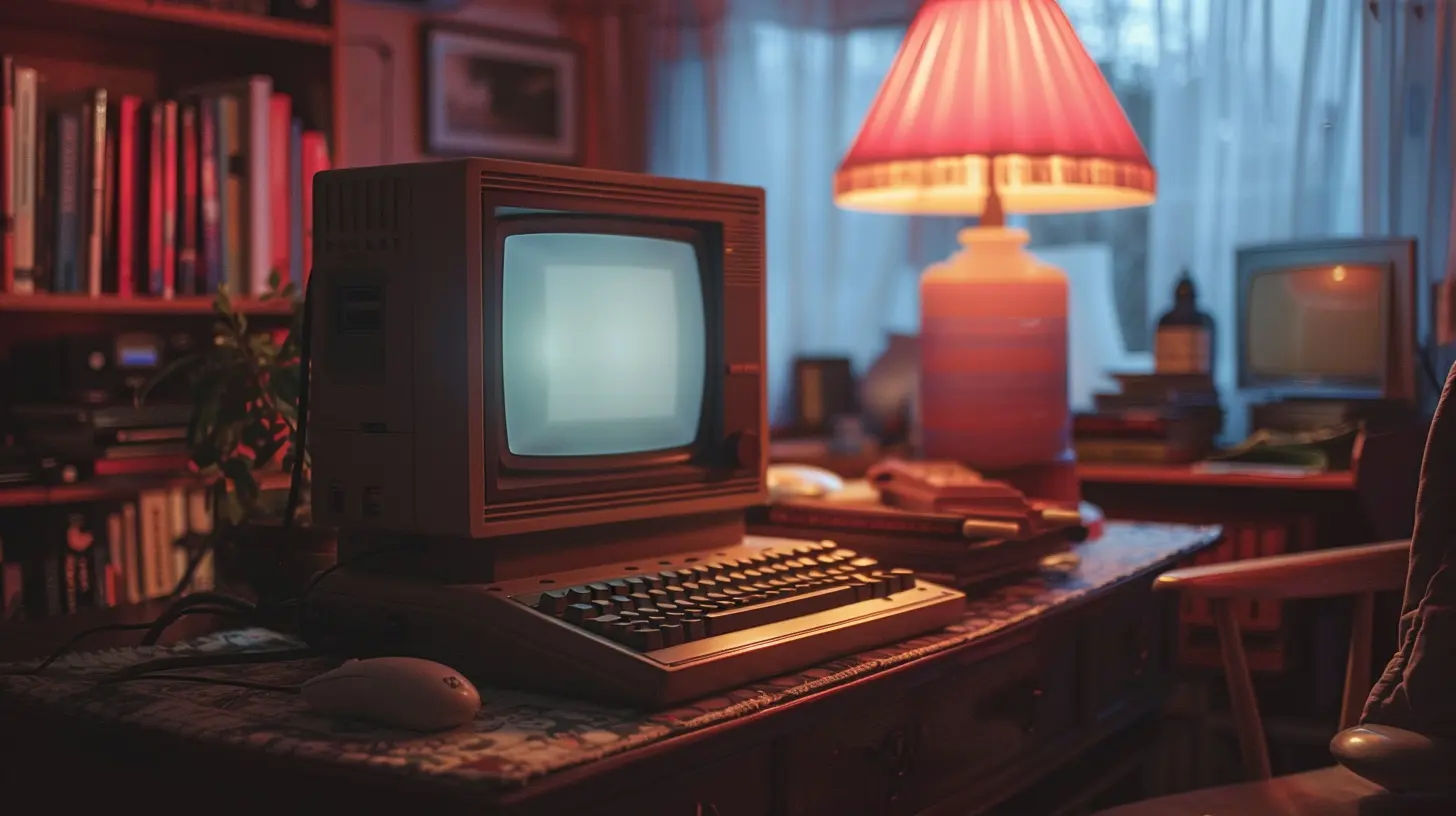
What Is a CRT Anyway?
Let’s keep it simple: CRT stands for Cathode Ray Tube. These were the heavy, boxy monitors and TVs before thin, flat LCD and OLED screens took over. CRTs worked by shooting electron beams at phosphorescent screens to light up pixels. Yep, quite literally firing electrons at glass to make Mario jump.The tech sounds ancient—and it kind of is—but for decades, this is what we gamed on. From arcades to living rooms, CRTs were everywhere.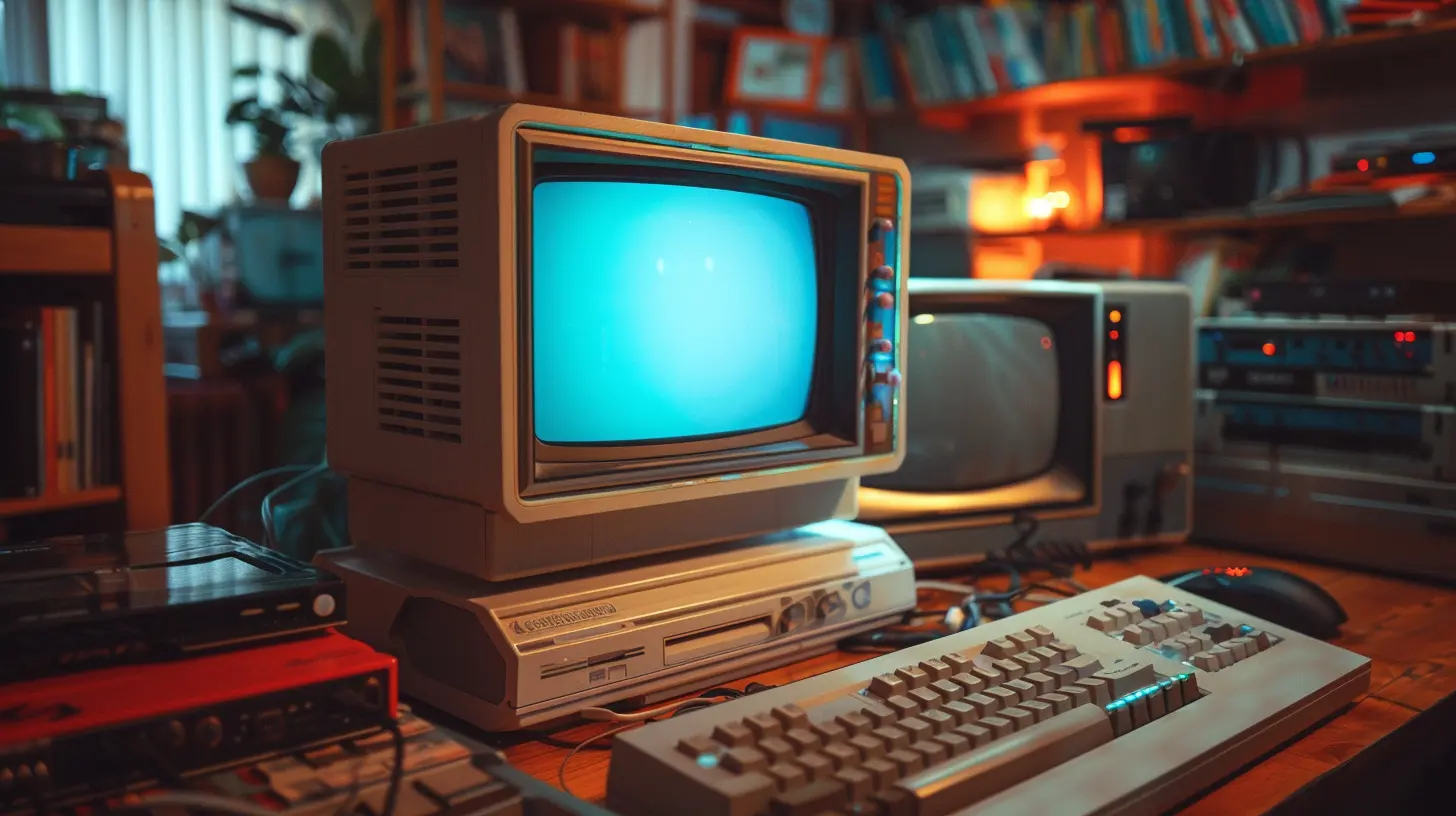
The Aesthetic: Why CRT Gaming Just Hits Different
Ever played a retro game on a modern display and thought, "Why does this look... wrong?" That’s because those games weren’t designed for today's razor-sharp 4K screens.Games from the '80s and '90s were built with CRTs in mind. Developers used the quirks and limitations of CRT displays—like scanlines, blur, and phosphor glow—as part of the art. Sprites weren’t supposed to be crystal clear; they blended slightly, creating a soft, dreamlike look.
On a CRT, everything feels warmer and more organic. Like flipping through a worn album of polaroid photos instead of scrolling through your phone gallery. There was depth, light bloom, and visual noise that added character.
Modern screens? They show every jagged pixel. CRTs? They smoothed out imperfections and added a bit of magic.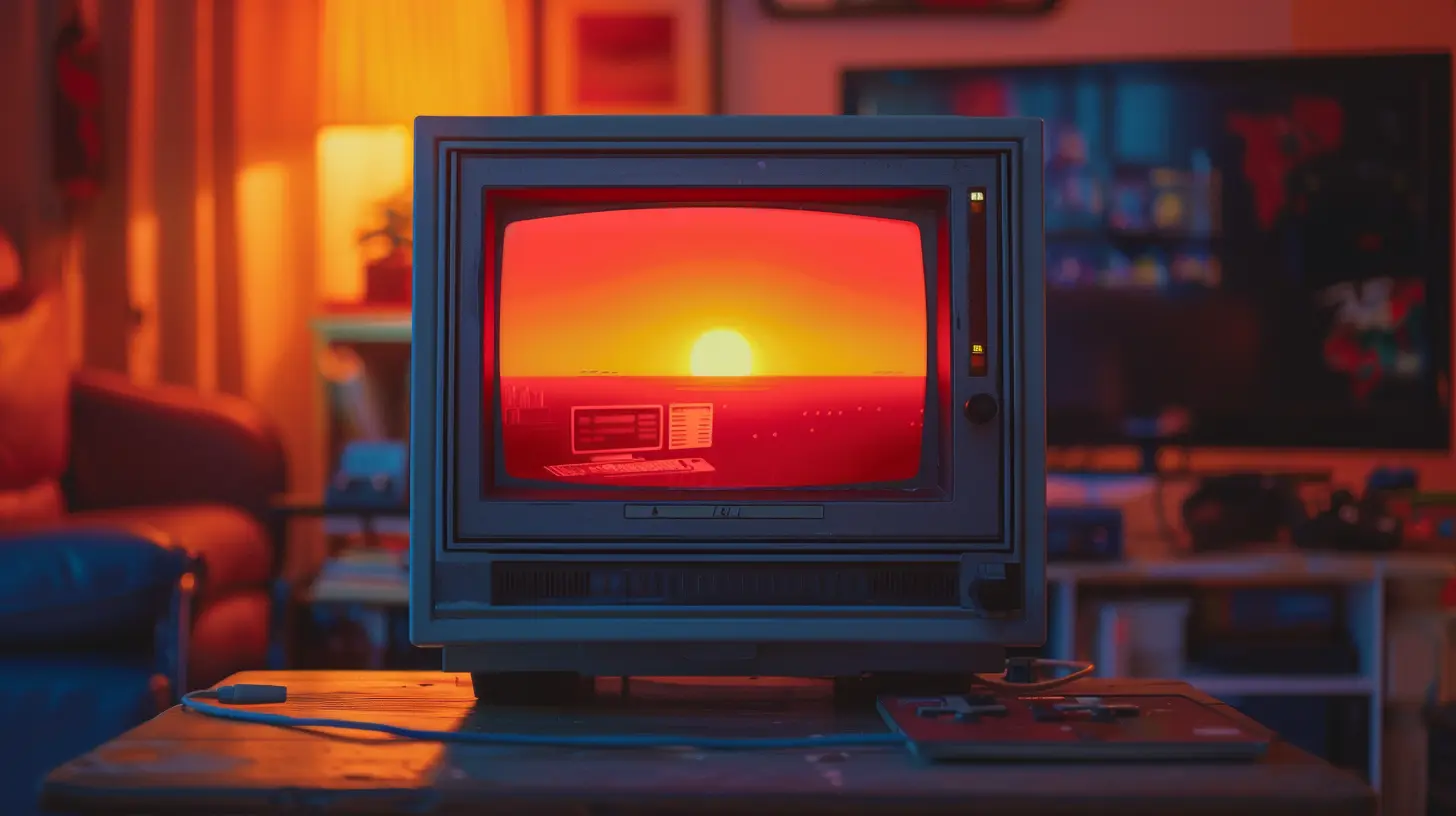
The Feel: Input Lag and Responsiveness
Let’s get into the nitty-gritty: input lag. CRTs were practically lag-free. When you pressed a button, the action on screen was immediate. No latency, no delay, just crisp, pixel-perfect control.Now compare that to today’s flat panels, some of which have noticeable input lag—even with fancy “Game Modes.” Competitive gamers feel this. Speedrunners really feel this. CRTs gave you that tight, immediate responsiveness that modern displays struggle to replicate.
If you're wondering why your muscle memory feels off when revisiting old classics on a modern display—it's not you, it's your screen.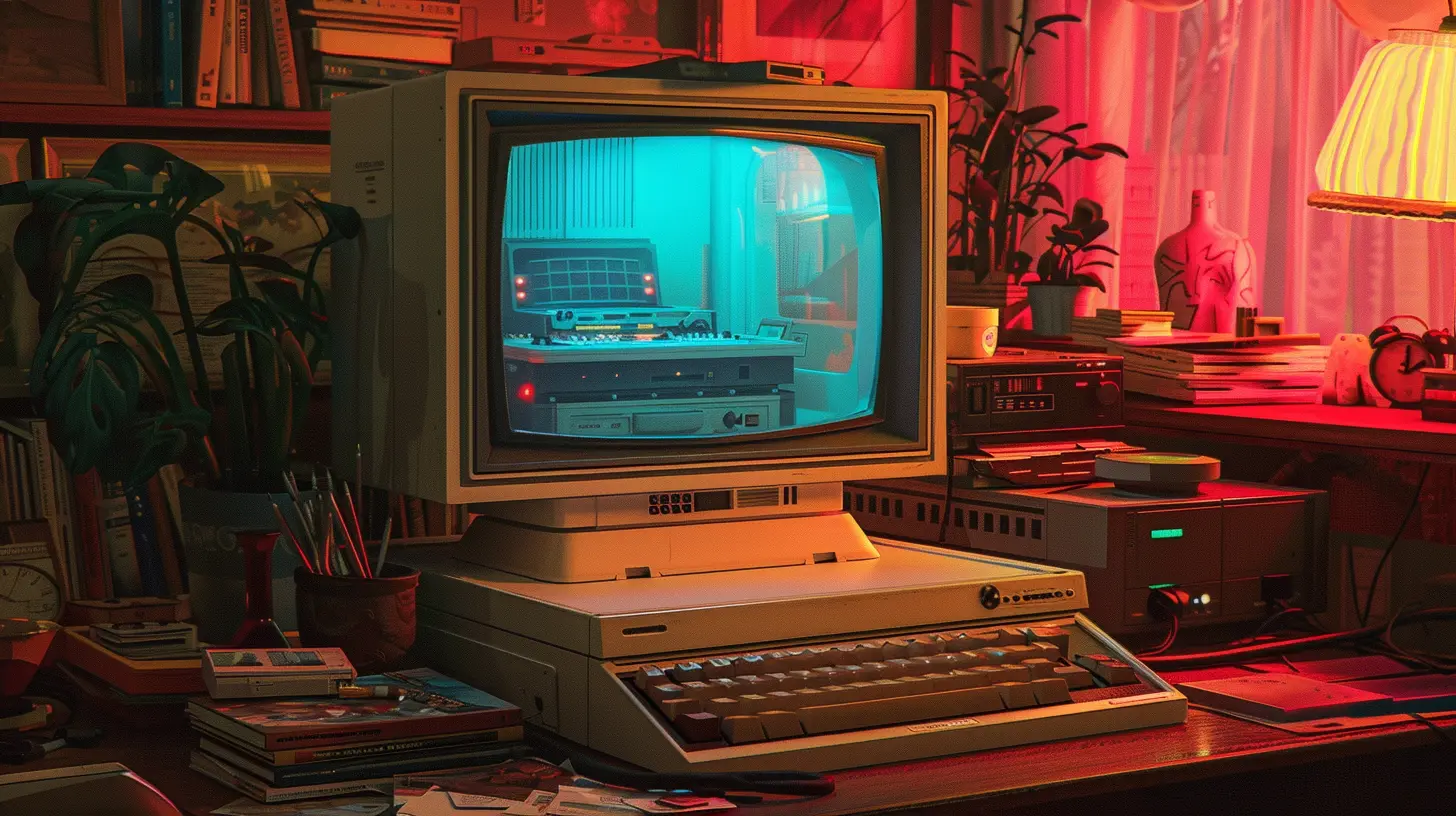
The Sound of Gaming on a CRT
We can’t ignore the audio part of the experience—CRTs had speakers that boomed. Okay, maybe not hi-fi quality, but they had a deep, boxy resonance that filled a room differently. Add to that the subtle hum of the screen, the gentle pop when you turned it off, and the occasional static fuzz. These all added layers to the gaming vibe.Today’s ultra-thin panels? They sound like tin cans unless you invest in external speakers. CRTs brought the noise, literally and figuratively.
Retro Consoles and CRT Love
Let’s be real—many of our beloved consoles weren’t just compatible with CRTs—they were optimized for them.Think NES, SNES, Sega Genesis, PlayStation 1 & 2... these machines sent analog signals. When paired with a CRT, the video looked natural. Hook them up to an HDTV and you're dealing with icky upscaling, weird ghosting, and stretched graphics. You can fix that with expensive converters or upscalers, but it’s never quite the same.
So, yes, lugging out a CRT to play Chrono Trigger might seem excessive—but for purists, it’s the only way to do it justice.
Light Gun Games Don’t Work on Modern Screens
Remember Duck Hunt? Or Time Crisis? Light gun games were made to work with CRT’s scanning lines. Aim, shoot, react. But those old-school light guns don’t work at all on LCD or OLED displays. You can’t recreate that experience unless you bring out a CRT.This is one of the biggest losses in the transition to modern displays. A whole genre of gaming—literally unplayable now unless you go back in time. So if you want the full arcade-at-home vibe, you better dust off that tube.
Scanlines, Bloom, and Glare—They Added Personality
While modern gamers obsess over ray tracing, photorealistic textures, and 120Hz refresh rates, old CRTs had their own visual flair:- Scanlines: Those horizontal lines weren’t a bug—they were a feature. They gave games a stylistic touch that modern digital filters try to replicate.
- Color Bloom: Colors bled just a bit, creating warmth and depth. Fireballs looked hotter. Explosions had that dreamy glow.
- Glare and Reflection: Sure, the glass screen reflected light, but it also gave a sense of place. You could see your room, your face—reminding you that gaming was a personal experience, not just a digital escape.
CRTs and the Resurgence of Retro Gaming
Here’s the cool part: CRTs are making a quiet comeback.As retro gaming grows in popularity, collectors and enthusiasts are scouring thrift stores, online marketplaces, and even dump sites for working CRTs. Some are even modding them for RGB inputs or using PVM/BVM models (pro-grade CRT monitors used in broadcasting) for the ultimate retro setup.
It’s wild to think that a piece of old tech, once tossed away, is now highly prized. Like vinyl records, CRTs have jumped from trash to treasure.
CRTs in the Arcade: The Original Gaming Theater
Ever spend hours in an arcade, shoulder to shoulder with strangers, surrounded by sounds of coin slots and pixelated chaos?Those machines ran on CRTs too. That heartbeat thump of Street Fighter’s health bar? That electric blue of Raiden’s lasers? Made possible by CRT glow.
Modern arcade replicas just don’t hit the same. Low latency, sure. Flashy graphics, maybe. But the soul? That lived in the hum of a CRT.
Why CRTs Became Obsolete (And Why We Miss Them)
Let’s not romanticize too hard—CRTs had major flaws. They were massive, heavy, and power-hungry. They overheated. Their calibration would fade. They took up half your desk.And yet… we miss them.
Why? Because they weren’t just a display. They were part of the gaming ritual. Turning it on felt like lighting a candle before a ceremony. Getting the AV cables just right was part of the foreplay. CRTs demanded engagement—and rewarded it with immersion.
Today? Most devices just auto-connect and flick on. Convenient? Sure. But also kind of soulless.
CRT Gaming vs. Modern Display Gaming: A Side-by-Side Look
| Feature | CRT Gaming | Modern Display Gaming ||--------|-------------|------------------------|
| Input Lag | Near zero | Mild to moderate |
| Color Accuracy | Warm and natural | Sharp and clinical |
| Sound Quality | Boomy and boxy | Thin without speakers |
| Visual Effects | Scanlines, bloom | Pixel perfect, sharp |
| Setup | Analog (cables, tuning) | Plug-and-play HDMI |
| Compatibility with Retro Consoles | Native support | Needs converters/upscalers |
| Aesthetic | Nostalgic and cinematic | Clean and digital |
| Portability | Heavy and bulky | Lightweight and flat |
Bringing CRT Experience into the Modern World
Not ready to haul a 70-pound Toshiba up the stairs? Don’t worry—you’ve got options.Emulation with CRT Filters
Modern emulators now come with filters that mimic CRT effects—like fake scanlines, color bleed, and even screen curvature. It’s not perfect, but it’s getting pretty close.FPGA Consoles (Like MiSTer and Analogue)
These devices mimic hardware at a deeper level than software emulation, and can be hooked up to CRTs for that authentic feel—or to flat panels with HDMI. The best of both worlds, if you ask me.PVM/BVM Monitors
If you’re going all-in, professional CRT monitors are the holy grail. Designed for accuracy in TV studios, they offer amazing color reproduction and sharpness. But be warned: they’re expensive and highly sought after.Final Thoughts: CRTs Weren’t Just Screens—They Were Portals
Gaming on a CRT wasn’t just about pixels and frames—it was a vibe. It was about connecting with the game in a sensory, analog way that’s hard to describe if you didn’t grow up with it. The screen wasn’t just showing the game—it was part of the game.In an era where everything is sleek, wireless, and high-definition, the clunky CRT reminds us of a time when gaming was simpler, slower, and—ironically—more connected. If you’ve never tried it, or haven’t in a while, consider giving CRT gaming a spin. You might be surprised at how much you’ve been missing.
all images in this post were generated using AI tools
Category:
Gaming NostalgiaAuthor:

Tayla Warner