Gaming Mouse Trends to Watch in the Future
26 April 2026
Let’s face it — gaming gear has become much more than just a fancy peripheral. It’s like a sword in the hands of a knight. And when it comes to precision, speed, and competitive edge, your mouse is your best ally. But what’s next? Where are gaming mice headed in the future?
Whether you’re a casual gamer or a die-hard esports enthusiast, we’re all curious about what’s cooking behind the scenes in the world of gaming mice. So, grab your favorite energy drink and let’s dive headfirst into the future of gaming mouse trends!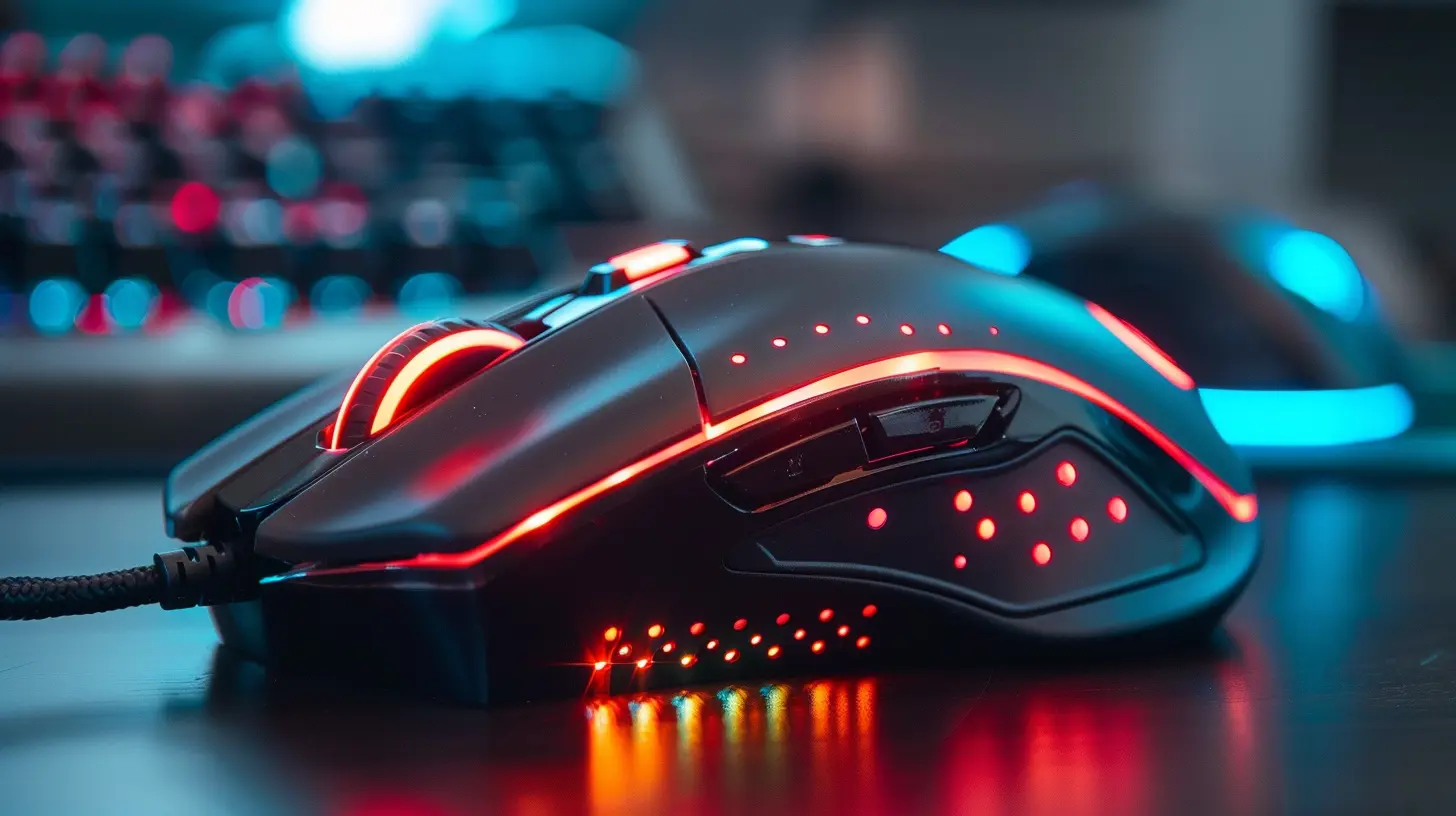
? The Evolving Role of Gaming Mice
Gaming mice were once just “regular mice” with a cooler look and a couple of extra buttons. Now? They’re high-performance tools packed with tech wizardry. With sensors that track faster than the eye, customizable RGB lighting, weight tuning, and ultra-fast response times, they’ve become serious business.And this evolution is far from over.
Gamers are expecting more now. More speed. More comfort. More personalization. So, what could the future possibly hold? Spoiler: A lot.
? Smart Mice with AI Integration
Yep, we’re at that point. Artificial Intelligence isn’t just for your smart home or phone anymore—it’s crawling into your gaming gear too.Imagine your mouse learning your gaming style. Do you flick fast in FPS games? Or are you more of a slow-and-steady sniper? Future gaming mice could use AI to:
- Adjust sensitivity dynamically based on the game or situation.
- Customize macros automatically based on your in-game behavior.
- Predict movements or suggest button assignments.
It sounds like science fiction, but developers are already testing these possibilities. AI won’t just make your mouse smarter—it’ll make you a smarter gamer.
? Adaptive Ergonomics: Mice That Morph
Hand cramps? Wrist pain? Say goodbye to all that.One of the coolest emerging trends is adaptive ergonomics. We're talking about gaming mice that literally change shape or provide real-time hand support. Think of memory foam but in mouse form—or better yet, modular mice that "shift" to your preferences mid-game.
- Shape-shifting shells to match your palm, claw, or fingertip grip.
- Pressure-sensitive surfaces that mold over time.
- Interchangeable pieces to fit your hand size and style perfectly.
Your mouse will be like a glove built just for you. No more compromising comfort for performance.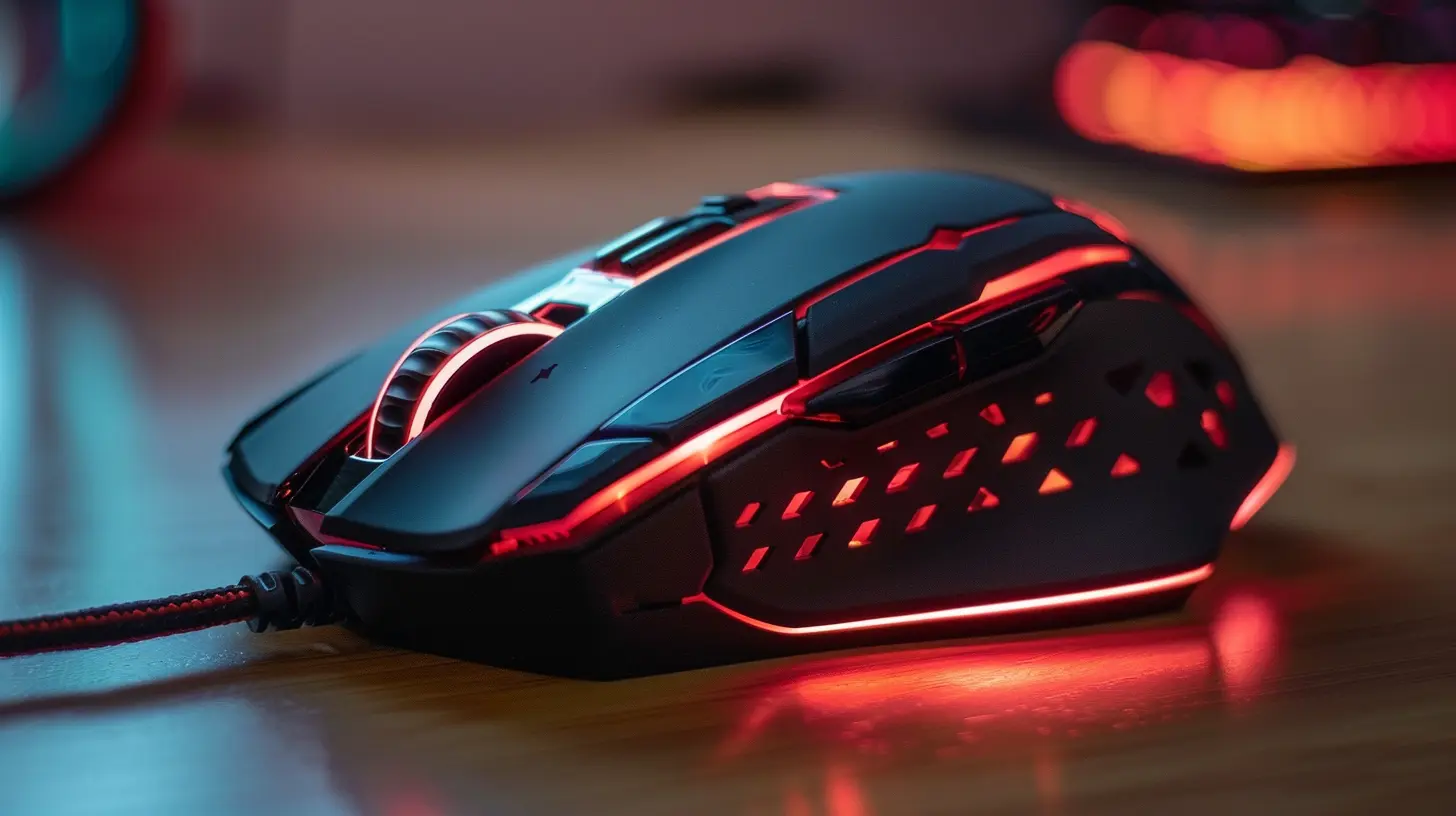
? Wireless Tech That Doesn’t Suck
Remember the time when going wireless meant dealing with lag and battery anxiety? Fast forward a few years, and wireless tech is now rivaling—if not beating—wired connections.The future says goodbye to input lag and hello to:
- Zero-latency connections with next-gen RF and Bluetooth tech.
- Inductive charging pads built into mousepads.
- Extended battery life with weeks of uninterrupted gameplay.
Some companies are even dabbling with kinetic energy charging, where small movements while using the mouse actually recharge it. That’s right, no docking, no plugging—just pure gaming.
? High-Speed, Ultra-Precision Sensors
Let’s talk DPI (dots per inch). Today’s gaming mice already boast insane numbers, some pushing past 30,000 DPI. But what if that’s just the tip of the iceberg?Future sensors won’t just be fast—they’ll be self-calibrating, adaptive, and multi-surface ready. Here’s what we might see:
- AI-assisted tracking for better aim prediction.
- Multi-surface scanning, so you can swipe across your desk, leg, or wall (just kidding… kinda).
- Environment recognition, adjusting performance based on light, surface texture, and humidity.
It’s like your mouse has eyes—and a brain.
? Customization on Steroids
RGB lighting is just the beginning. Get ready for gaming mice that are tailored like a custom-made suit.- Full-body customizable skins with 3D printing.
- Software-controlled lighting profiles that react to your game (imagine it glowing red when your health is low).
- Custom button layout mapping for each game or even each character/class.
And the best part? You'll control everything through intuitive apps that don’t feel like rocket science. You might even customize it with your voice. “Hey Mouse, switch to my sniper profile!” Boom.
? Eco-Conscious Materials and Sustainable Design
Gamers are waking up to the impact their gear has on the planet. And manufacturers are paying attention.Expect a stronger push toward:
- Biodegradable plastics and recycled materials.
- Low-energy components to reduce power draw.
- Minimalistic packaging to reduce waste.
Some brands are even exploring modular designs where you simply replace parts instead of tossing the whole mouse. Finally, guilt-free upgrades.
? Haptic Feedback: Feeling Every Shot
Ever wish you could feel your in-game actions? Future mice might come loaded with advanced haptic tech—think “rumble,” but way cooler and more precise.- Tactile clicks that mimic real-world sensations.
- Vibration feedback based on in-game events like taking damage or reloading.
- Subtle nudges that guide you without distracting you.
It’s like adding another layer to your immersion. Not just seeing and hearing the game, but experiencing it through your fingertips.
? Integration with Gaming Ecosystems
Imagine your gaming mouse as part of a bigger, smarter whole.As more gamers invest in full ecosystems—keyboards, headsets, monitors, and beyond—gaming mice will become fully integrated.
- Instant syncing of RGB lighting across devices.
- Custom profiles loaded automatically based on the game.
- Mouse inputs triggering actions on other peripherals (e.g., your keyboard lights up when your mouse hits low ammo).
It’ll be like your entire setup is communicated telepathically, all working together without manual effort. Yeah, that’s where we’re headed.
? Modular Gaming Mice: Build Your Own Weapon
Why settle for someone else’s idea of the perfect mouse?In the near future, we could see DIY gaming mice that you assemble like LEGO. Pick a sensor, choose side buttons, adjust weight, slap on a grip, and go.
- Players will be able to upgrade components like they do with PCs.
- Stores might even offer kits or online configurators to build your own.
- Want a lighter frame or more buttons for MMOs? Build it.
It’s not just personalization — it’s total control over your gear.
? Biometric Sensors: The Mouse That Knows You
This one is wild. Picture a gaming mouse that doesn’t just respond to your clicks—but listens to your body.Future models might include:
- Heart rate monitors to detect stress levels.
- Skin temperature sensors to measure intensity.
- Grip pressure sensors to adjust sensitivity in real-time.
Game developers could use this data to alter gameplay dynamically—ramping up tension when your heart races or calming things down when you’re on the edge. Talk about immersive.
⚙️ Predictive Gameplay Assistance
This one’s controversial, but hang with me.What if your mouse could tell when you're about to miss a shot and offer slight correction? Not cheating, but a light touch—like training wheels for your aim.
Similar to how cars have steering assist, gaming mice might offer:
- Aim assist tuning based on behavior.
- Contextual button suggestions on-screen.
- Dynamic assist modes to help new players get better.
It’s a fine line between assistance and automation, but for training and accessibility, this could be game-changing.
? Final Thoughts: The Future Is in Your Hand
So, where’s all this headed?The future of gaming mice is personal, smart, connected, and immersive. We’re moving toward a world where your mouse knows you better than your best friend, adapts like a chameleon, and performs like a beast. That’s not just evolution—that’s a revolution in hand.
And the best part? It’s already happening.
Stay sharp, gamers. Because your next mouse might just change the way you play—forever.
all images in this post were generated using AI tools
Category:
Gaming MiceAuthor:

Tayla Warner
Discussion
rate this article
2 comments
Miriam McCarron
Precision demands purpose.
April 29, 2026 at 4:24 PM
Tayla Warner
Absolutely, a purposeful design is key for enhancing precision in gaming mice.
Reid McGuire
I'm intrigued by how emerging technologies like AI and haptic feedback might revolutionize gaming mice. What features do you think will become essential for gamers in the future?
April 26, 2026 at 3:29 AM
Tayla Warner
I think customizable tactile feedback will be huge, allowing gamers to feel on-screen actions. Adaptive grips that change based on gameplay could also enhance immersion.