Games Versus Homework: Finding a Healthy Balance
2 June 2026
Let’s be real—if you’re a kid (or even a parent), you’ve probably found yourself tangled in the age-old tug-of-war between wanting to dive into your favorite video game and having a mountain of homework glaring at you from your desk. Sounds familiar, right?
Balancing games and homework isn't as impossible as it feels. In fact, with a little mindfulness, you can enjoy both without feeling guilty or overloaded. This article is here to help you find that sweet spot where fun and responsibility actually get along.
Why the Clash Between Games and Homework Even Exists
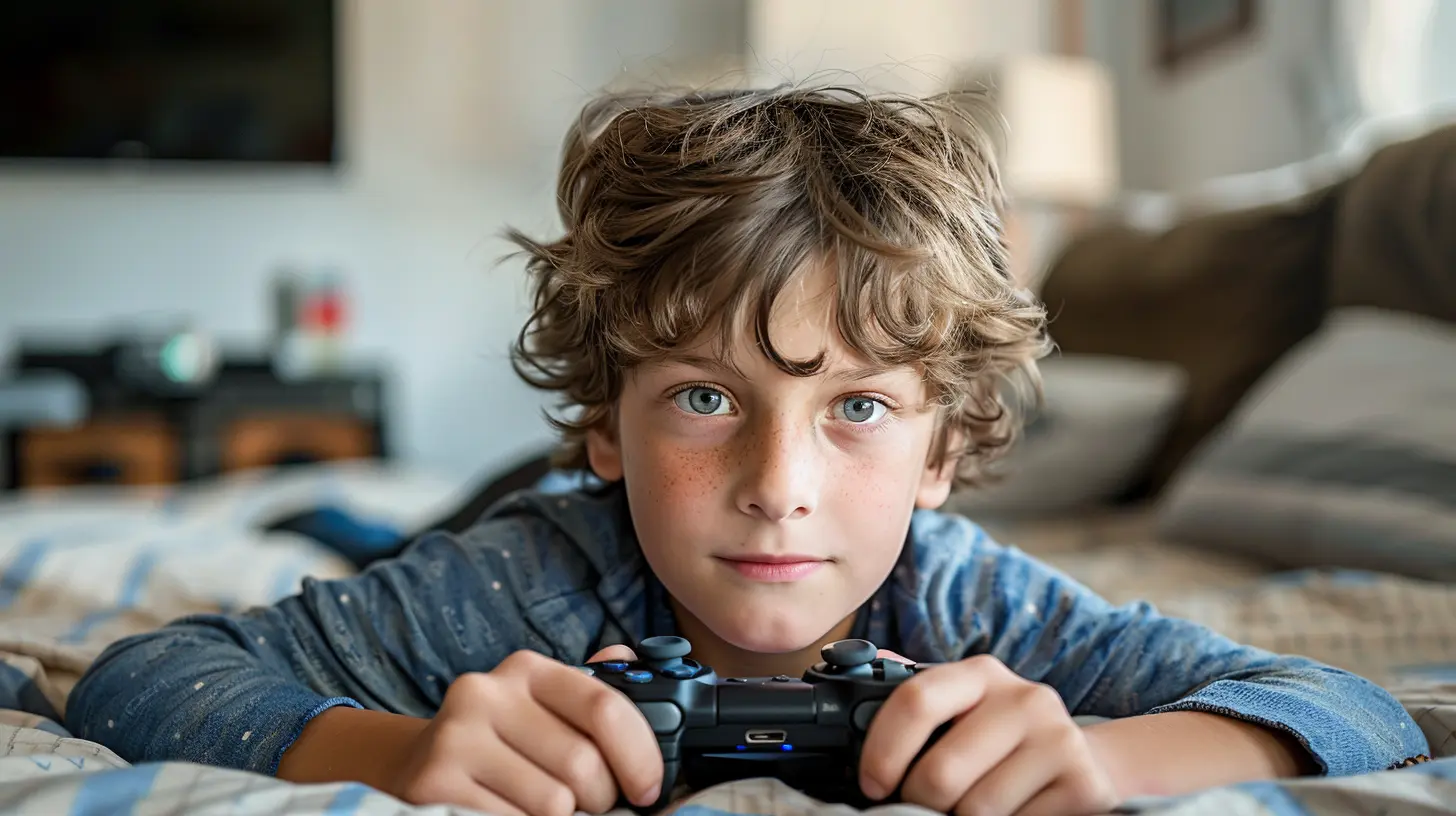
So, why is this even a thing? Why can’t homework and games just be friends?Well, it’s all about time and attention. Homework demands focus, mental energy, and usually comes with deadlines. Games, on the other hand, are designed to be engaging, fun, and endless. That’s a recipe for conflict—especially when both want your time and brainpower.
But it doesn’t have to be a battle. Understanding where both fit can make your day smoother, your stress levels lower, and your gameplay even more rewarding.

The Power of Play: Why Games Are Not Always the Villain
Let’s squash a myth right off the bat—playing games is not a waste of time. In fact, video games can actually do a lot of good.Cognitive Benefits of Gaming
Believe it or not, many types of games enhance skills that even help with schoolwork. Think about strategy games like “Civilization,” puzzle games like “Portal,” or even fast-paced shooters that require quick reflexes and decision-making.These can improve:
- Problem-solving skills
- Hand-eye coordination
- Memory
- Focus
- Teamwork
Stress Relief in the Midst of School Pressures
Homework can be stressful, especially during exam weeks or when you're juggling multiple assignments. A short gaming session might give your brain the break it needs to reset. It’s kind of like switching tabs on a browser—your mind gets a quick refresh so you can come back to work more focused.
The Homework Side of Things: Why It Matters
Okay, we can’t ignore the elephant in the room. Homework might not be the most exciting part of your day, but it serves a purpose.Reinforces What You Learn
Homework helps reinforce what you’ve learned during class. Think of it like practice—not always exciting, but necessary to get better. It cements concepts in your brain, so they’re easier to recall when it actually counts (like on that test you forgot about).Builds Discipline and Time Management
Sure, writing that essay or solving math problems doesn’t seem like a big deal now. But sticking to deadlines and managing tasks are real-life skills you’ll thank yourself for developing later.
Why Balancing Is Better Than Choosing
You don’t have to pick sides. Seriously. It’s not “games versus homework” as in a battle where only one can win. It’s more like a dynamic duo—Batman and Robin. Each has its place, and together they make your daily routine more balanced and enjoyable.Think of It Like a Diet
Ever heard of the phrase “everything in moderation”? Just like your body needs both veggies and the occasional scoop of ice cream, your brain needs both work and play. Too much of either leads to problems—a work-only schedule leads to burnout, while all play makes it hard to keep up with important responsibilities.Tips for Crafting a Healthy Homework-Gaming Routine
Alright, so how do you actually create balance instead of tipping over to one side? Let’s break it down.1. Set Priorities (Hint: Homework First)
This might sting, but doing your homework first usually pays off. Try this: tell yourself that once homework's done, you’ve unlocked game time—like a reward. It turns a “boring” task into a stepping stone toward something fun.It’s like leveling up in real life. Each assignment you complete gets you closer to the boss battle (a.k.a. your game session).
2. Use The Pomodoro Technique
This is a total game-changer. Work for 25 minutes, then take a 5-minute break. After four rounds, you take a longer break (maybe 15-30 minutes).During those short breaks, stretch, grab a snack—or if you can control it—play a quick round of your favorite game. It makes study time feel manageable instead of endless.
3. Keep a Schedule (Yes, a Real One)
Make a daily plan. Block out time for homework, gaming, dinner, chores—whatever needs doing. Apps like Google Calendar or a simple notebook planner can keep you on track.When you plan your game sessions, they feel earned. You get the satisfaction of knowing you’re staying on top of things while still having fun.
4. Set a Time Limit on Gaming
Games can suck you in—fast. That “just one more round” mindset? We’ve all been there, and before you know it, it’s midnight, and your history paper is still blank.Try setting a timer or using parental control tools that help you keep gaming within reasonable limits. It’s not about ruining your fun—it’s about keeping it from running the show.
5. Break Big Homework Tasks into Chunks
Big projects can feel overwhelming, making it easy to push them aside in favor of gaming. Instead, break them into smaller tasks. Finish a chunk, take a break, maybe play a bit, then tackle the next one.Think of it like leveling through a campaign—you don’t defeat the final boss on day one. You take it one mission at a time.
What Parents Can Do to Support Balance
Balance isn’t just up to kids. Parents play a huge role too. It’s not about banning games or enforcing homework with a heavy hand. Instead, it’s about creating the right environment.Encourage Open Communication
Talk about expectations. Let kids express when they feel overwhelmed, and listen when they need to blow off steam.Focus on Self-Regulation, Not Control
Instead of controlling every minute, help kids learn to set their own goals and monitor their time. They’ll feel more ownership and less rebellion.Lead by Example
Yup, adults are role models. If kids see their parents balancing work, family time, and hobbies, it sets the standard and makes it easier to follow.Signs the Balance Is Off (And How to Fix It)
Sometimes, the scale tips too far in one direction. Here’s how to tell—and what you can do to fix it.Warning Signs of Too Much Gaming:
- Falling grades- Missed assignments
- Lack of sleep
- Skipping meals or social interactions
? Fix It: Start by reducing time little by little. Replace excessive game time with fun offline activities like sports, board games, or weekend outings.
Warning Signs of Too Much Homework/No Play:
- Constant fatigue- Irritability
- Anxiety over school
- Zero interest in hobbies
? Fix It: Schedule in daily “me time” or short gaming sessions to help reduce stress. Even 30 minutes of relaxation can make a big difference.
Let Gaming Be the Motivation, Not the Distraction
Here’s a thought—what if we used games as a motivator instead of a rival?Turning gaming into a reward system can boost productivity and help build better time management habits. Just like achievements in a game, completing homework tasks could earn you “XP” toward your next gaming session.
It’s all about gamifying your routine in real life.
Final Thoughts: You’re Not Alone
Almost everyone struggles to find balance at some point. Whether you're a student trying to pull off a perfect homework-game routine or a parent worried about your child’s screen time, the key is communication, planning, and understanding.Homework and video games don’t have to fight for your time—they can work together in harmony. With the right strategy, you can sharpen your mind with studies and have a blast during game time.
So, the next time you’re stuck in the “Games versus Homework” dilemma, remember: it’s not about choosing sides, it’s about playing smart.
all images in this post were generated using AI tools
Category:
Parental Guide To GamesAuthor:

Tayla Warner
Discussion
rate this article
1 comments
Danica Palmer
This article really hits home. Balancing games and homework can be tough, but it's essential for growth. I've noticed that when I prioritize my responsibilities first, I enjoy gaming even more. It's all about moderation and making time for both without sacrificing one for the other.
June 5, 2026 at 2:37 AM
Tayla Warner
Thanks for sharing your thoughts! Finding that balance is key, and it's great to hear how prioritizing responsibilities enhances your gaming experience. Keep up the good work!