Games That Use Amnesia as a Storytelling Device
18 June 2026
Ever booted up a game and found your character staring at the world around them, confused and disoriented, with zero memory of who they are? Yeah, that’s amnesia — and in video games, it’s a storytelling goldmine. It might seem like a cliché at first glance, but when used right, this trope can craft some of the most gripping and emotionally charged narratives out there.
In this article, we’re diving deep into games that use amnesia as a storytelling device. We're not just talking about the usual suspects — we're unpacking why this trope works, how different titles execute it, and the powerful emotional and gameplay effects it can create.
So grab your memory journal (or start a new one), because things are about to get interesting.
Why Amnesia Works So Well in Video Games
Before we talk titles, let’s get into the why. Why is amnesia such a popular choice for game storytellers? Simple: it aligns perfectly with the player’s experience.Think about it — when you start a new game, you know as little about the world as your character (assuming you're not replaying it for the fifth time, of course). Starting with amnesia makes the protagonist’s learning curve mirror your own. You and the character are learning about the world together, which creates a strong bond right from the get-go.
Also, amnesia adds mystery. It turns the story into a puzzle. Who am I? What happened to me? Who can I trust? It's an instant hook. And when done right, it can be emotionally devastating in the best way.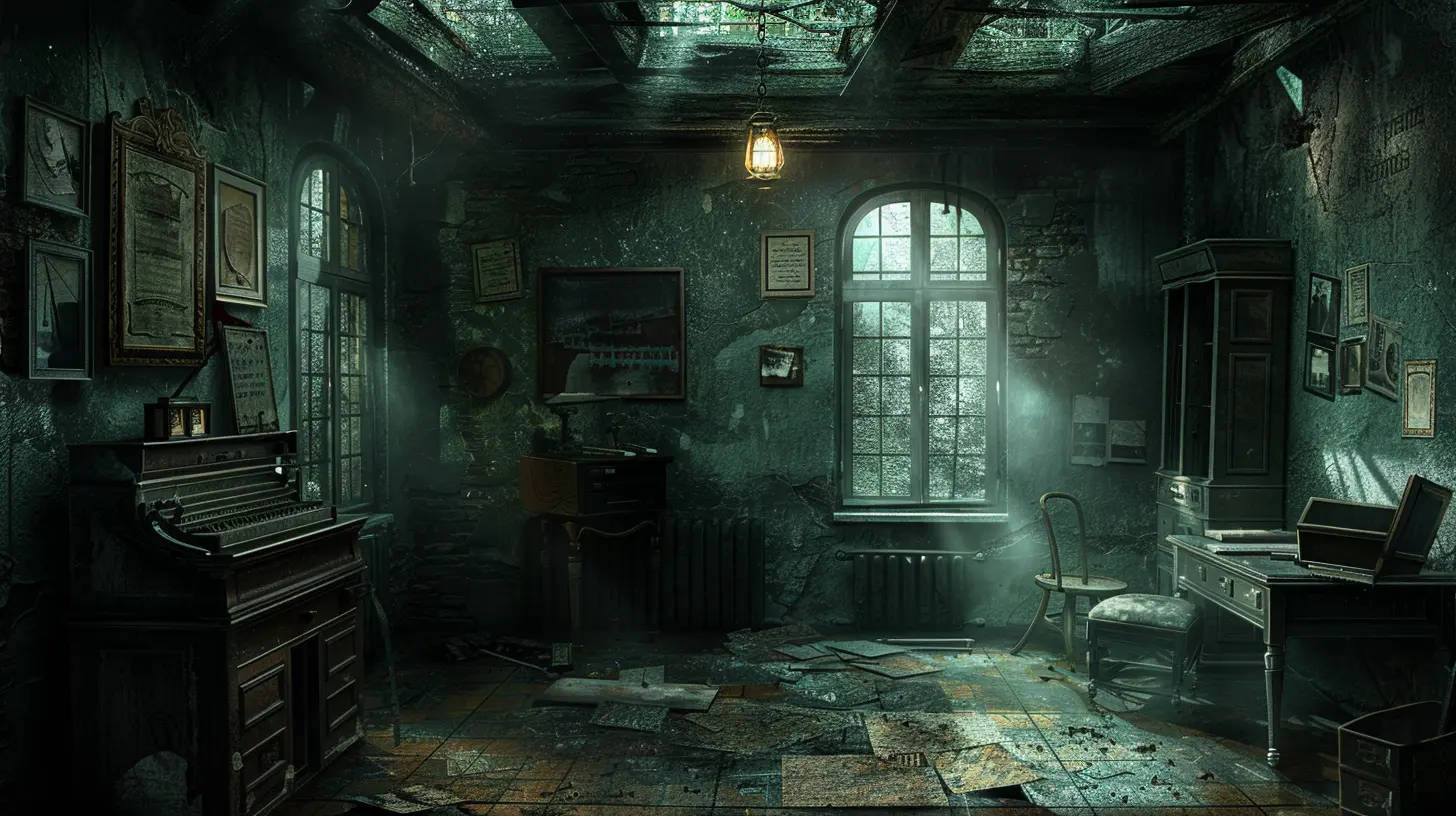
1. Silent Hill 2 – A Psychological Descent
Let’s kick things off with a classic.In Silent Hill 2, James Sunderland receives a letter from his dead wife asking him to come to the haunted town of Silent Hill. From the beginning, something feels… off. James doesn’t have amnesia in the traditional sense, but there’s a deep fog (pun intended) over crucial memories.
As the game unfolds, you come to learn that James is repressing horrifying truths — the kind that twist the whole story into something darker and more tragic than you expected.
This is a perfect example of how memory loss can be used not just for plot mechanics, but for psychological depth. The game slowly peels back the layers of James’s past, and with each revelation, the horror hits harder.
> Pro tip: Don’t play this one with the lights off unless emotional dread is your thing.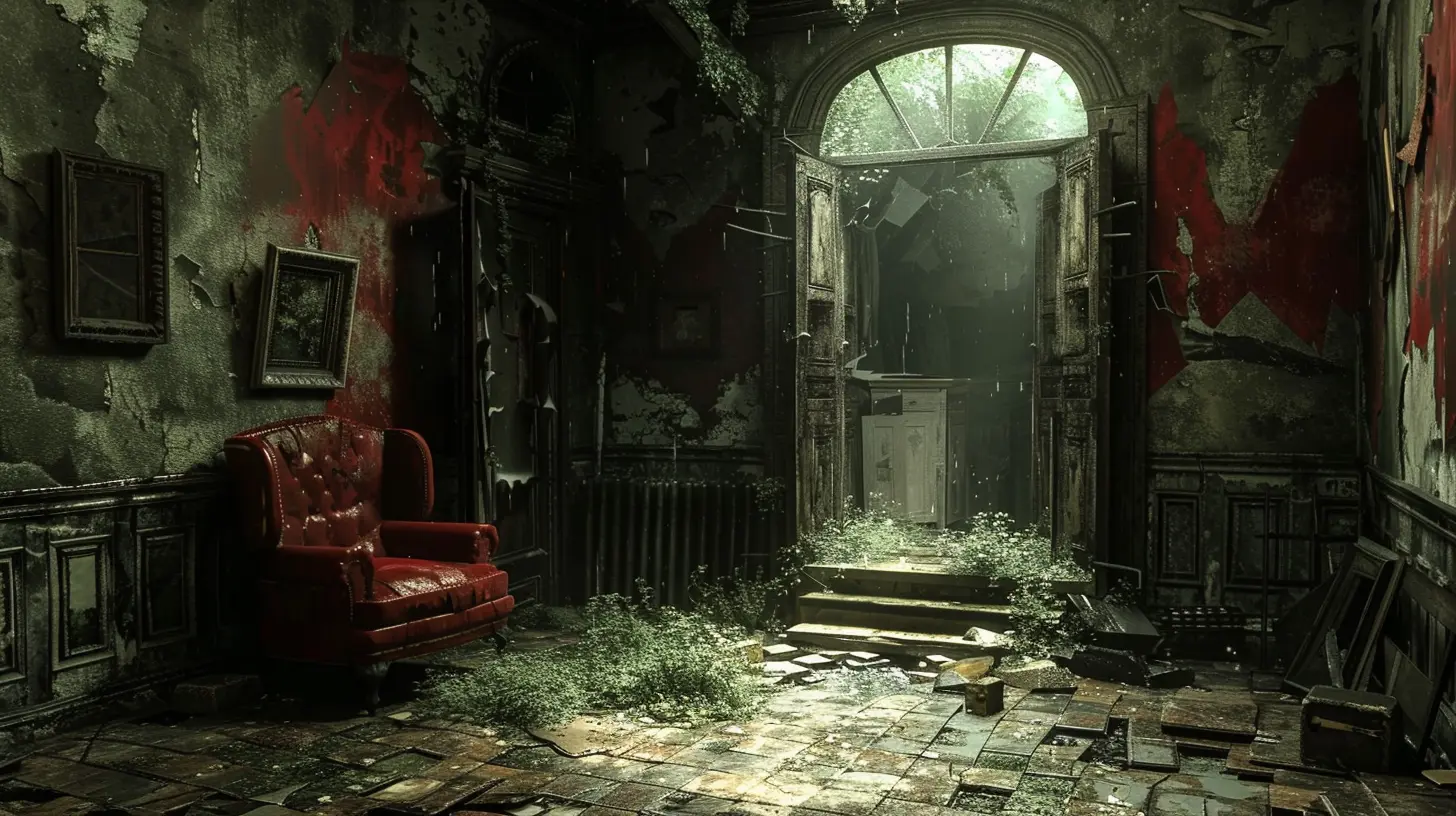
2. Planescape: Torment – “What Can Change the Nature of a Man?”
If Silent Hill 2 is a descent into hell, Planescape: Torment is a philosophical labyrinth.You play as The Nameless One — a scarred, immortal figure who wakes up in a morgue with no clue who he is. Sound familiar? You’ve lived countless lives before this one, and each time you die, you lose your memory. How's that for a resume?
The game is all about piecing together who you’ve been and deciding who you want to be. Your past selves range from noble to monstrous, and the game forces you to reckon with the consequences of actions you don’t even remember taking.
What makes this game special is that amnesia isn't just a plot twist — it’s the entire premise. The story wrestles with identity, morality, and redemption in a deeply personal way, and every choice you make feels weighty.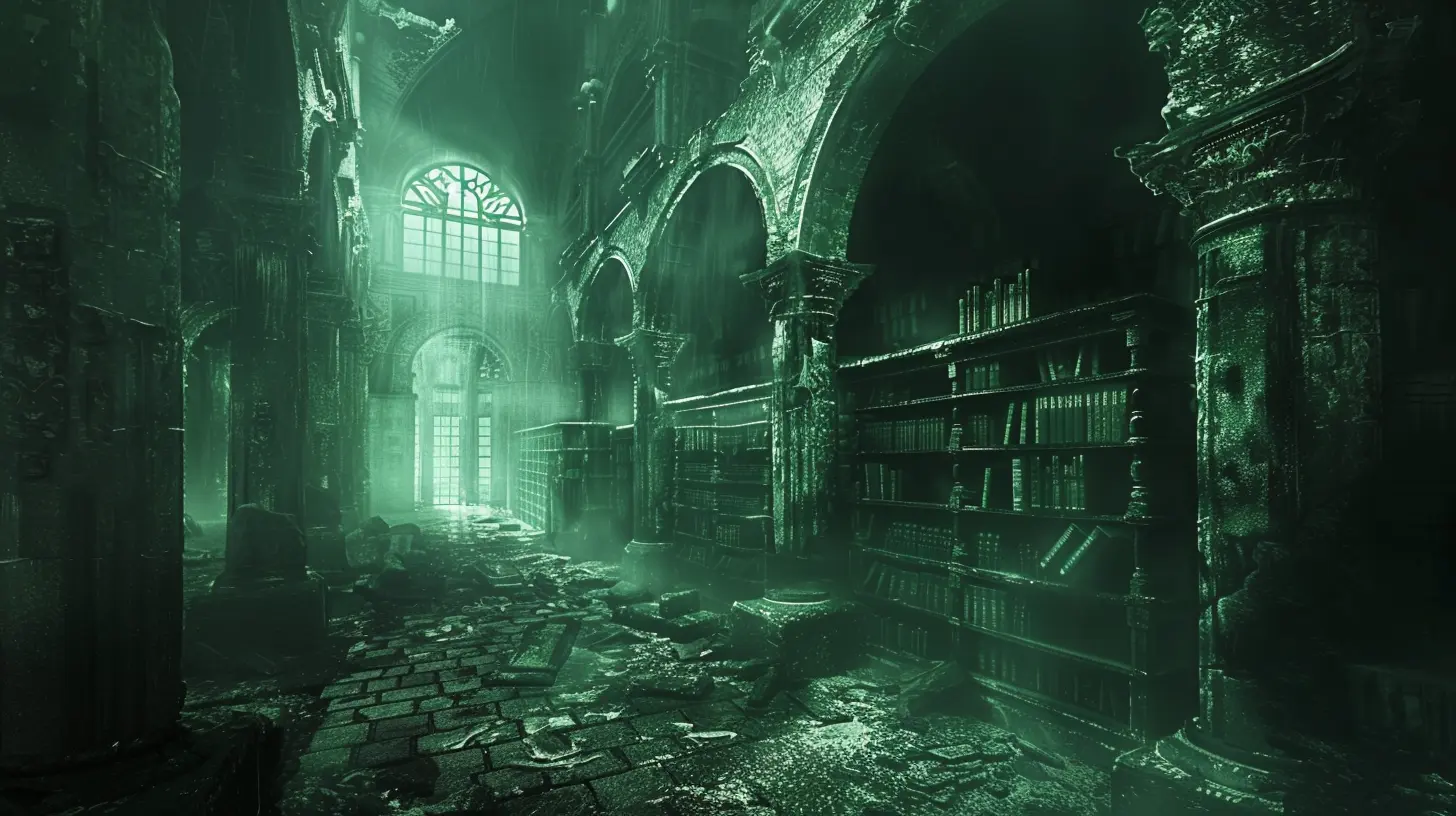
3. Amnesia: The Dark Descent – It’s in the Name
This one had to be on the list, right?Amnesia: The Dark Descent is horror at its most primal. You wake up in a creepy castle with (you guessed it!) no memory of how you got there. The game doesn’t waste time before throwing you into its haunting atmosphere, and the lack of memory only adds to the dread.
As you explore, you discover notes from your past self, guiding you toward something… horrific. The tension here isn’t just about what’s lurking in the dark — it’s about whether you actually want to remember who you are and what you’ve done.
Let’s be real — this title made amnesia scary in a whole new way. You’re not just afraid of the monsters outside; you’re afraid of the monster you might be inside.
4. The Legend of Zelda: Breath of the Wild – A Hero with a Forgotten Legacy
You might not think of this one right away when you hear “amnesia,” but yep — Breath of the Wild runs on this exact narrative device.At the beginning of the game, Link wakes up after a century-long nap with his memory wiped. Hyrule lies in ruins, and only by exploring the world and completing memory quests can you piece together what happened.
This approach is subtle yet impactful. You feel the weight of your forgotten legacy in every ruined town and ghostly figure from your past. It’s emotional. It's epic. And the amnesia part? It makes discovering the vast, open world of Hyrule all the more powerful.
It’s like walking through your childhood home and slowly remembering the moments that made you — except with swords, dragons, and ancient robots.
5. Fallout 3 – Vault Life, Who Dis?
In Fallout 3, you start life in the cozy underground vaults — a safe haven after the bombs dropped. But things quickly escalate when your parent disappears and you’re forced to leave the vault and explore the Capital Wasteland.While not starting with complete amnesia, there’s a strong sense of being out of place and unfamiliar with the world. And depending on how you role-play your Lone Wanderer, you can treat the outside world as something entirely unknown.
This semi-amnesia approach works wonders for immersion. The player and protagonist share the same sense of wonder and confusion when first stepping out into the post-apocalyptic sun. It’s storytelling and world-building in perfect sync.
6. Remember Me – Memory is Literally the Game
A game called Remember Me better do something clever with... memory, right?Well, it does. Set in a futuristic world where memories can be bought, sold, and manipulated, you play as Nilin, a memory hunter who — wait for it — has had her own memories wiped.
Throughout the game, you piece together who Nilin was, how she got here, and what she stands for. The unique twist? You get to alter other people's memories in real-time, which adds a wild layer of meta-commentary about memory’s power.
It’s not just a story about amnesia — it’s a whole digital-age critique of how memories shape identity. If Black Mirror was a brawler, this would be it.
7. Lost Odyssey – A Tearjerker With a Twist
Ever cried over a memory you didn’t even know you had?That’s the emotional ride Lost Odyssey takes you on. You play as Kaim, an immortal who’s lived for over a thousand years but can’t remember any of it. As memories slowly return, the story unfolds through beautifully written “Thousand Years of Dreams” segments.
These short stories are devastating. They're like emotional gut punches wrapped in poetic language. They play with themes of loss, love, time, and the burden of memory.
The game shows how powerful forgotten memories can be — not just as mystery devices, but as emotional anchors. This one sticks with you long after the credits roll.
Why Amnesia Never Gets Old in Games
Sure, amnesia has been done a lot — in games, movies, books, you name it. But in video games, it hits different. That’s because games are interactive by nature. When a character forgets, you get to uncover their past not just by hearing about it, but by playing through it. That’s huge!And creatively, it opens up possibilities. Want to drop someone into a wild new world and have them (and the player) figure it out from scratch? Amnesia. Want mystery, twists, unreliable narration, and emotional impact? You guessed it: amnesia.
It never really feels stale if it’s done with purpose.
Final Thoughts: Forget Me Not
The amnesia trope might make some people groan — like, “Another memory-loss storyline?” But when games use it to its full potential, it’s storytelling dynamite. It builds mystery, creates emotional resonance, and mirrors the player's experience in a way that's super intimate.Whether it’s horror (Amnesia: The Dark Descent), philosophy (Planescape: Torment), or sheer emotional weight (Lost Odyssey), games that use amnesia show us that sometimes forgetting is the best way to remember what truly matters.
So the next time you pick up a game and find your character looking around cluelessly, don’t roll your eyes. Get ready — because your journey of rediscovery is probably going to be unforgettable.
all images in this post were generated using AI tools
Category:
Game StorylinesAuthor:

Tayla Warner
Discussion
rate this article
1 comments
Kassidy McClure
Amnesia in games creates such an intriguing layer of storytelling. It forces players to piece together narratives while grappling with lost memories. I'm curious how different titles tackle this device-any personal favorites that stand out for their unique twists on memory loss?
June 25, 2026 at 3:12 PM